



Trekkers often underestimate the difficulty of the Langtang Valley Trek because it isn’t as high in altitude as the Everest Base Camp or Annapurna Base Camp Treks. However, in reality, it involves long daily hikes, steep climbs, and rough terrain, making it somewhat challenging. It’s not a technical trek, but if you’re not used to long-distance hiking, the Langtang trek can feel intense. And the higher you go, the more complex the path gets.
The trek starts at Syabrubesi (2,380m), easily accessible from Kathmandu. Then, through Langtang National Park, it climbs up to Tserko Ri (5,033m, the highest point of the trek. It typically lasts 8 days and often involves trekking uphill, sometimes over uneven or rocky terrain. Accommodations and facilities are basic because the Langtang region is remote. Important to know: Some parts of the trail still carry the rough marks left by the 2015 earthquake in Nepal.
What Makes the Langtang Valley Trek Difficult
The Langtang Valley Trek is labeled as moderately difficult, but that label has proved misleading. You get a combination of daily physical strain, high altitude, and unpredictable conditions, which makes it genuinely tough, especially if you’re underprepared. Yes, even experienced trekkers can find themselves tested by the raw terrain and limited infrastructure.
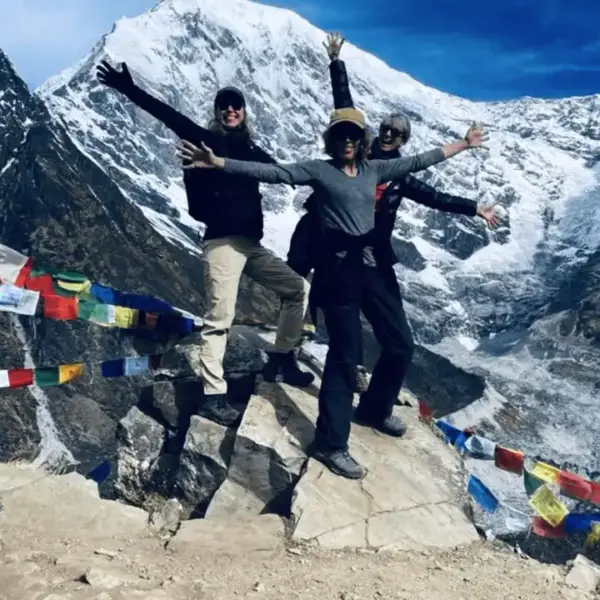
8 Days Langtang Valley Trekking
Trekkers often underestimate the difficulty of the Langtang Valley Trek because it isn’t as high in altitude as the Everest Base Camp…
Let’s jump right into the reasons that make the Langtang Valley Trek difficult:
- Steep ascents and descents: The trail has constant ups and downs, with long climbs that demand strong legs and stamina.
- High altitude: You gain over 2,600 meters in elevation, which can lead to fatigue, headaches, or even altitude sickness (AMS).
- Physical demand: You need to walk 5–7 hours a day for 6 of the 8 days. It’s no joke, especially when the route is steep, and you’re carrying a heavy backpack.
- Rough and uneven terrain: Expect rocky paths, landslide-prone sections, narrow ridges, and slippery patches, especially after rain.
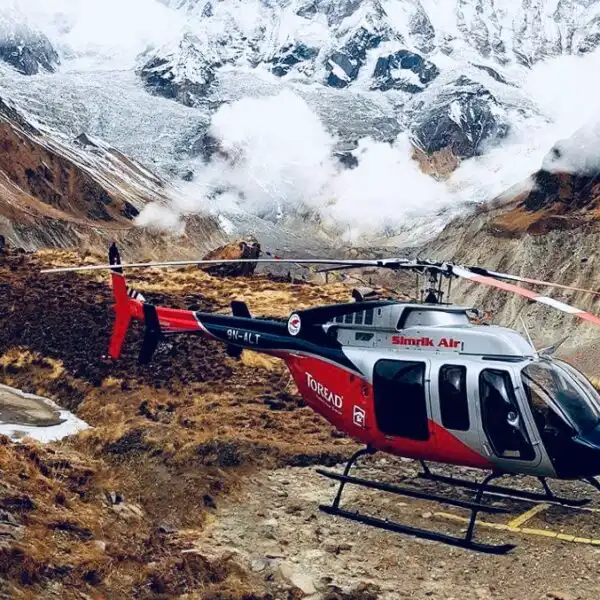
- Remote location: Once you leave Syabrubesi, there is no vehicle access. Emergencies often require hours of walking or a helicopter rescue.
- Basic lodging and meals: Higher up, teahouses are few, rooms are cold, and meals get pricier due to the difficulty of transporting supplies.
- Fast-changing weather: Sudden rain, snow, or strong winds can hit without warning, making the trek more dangerous and tiring.
Together, these challenges make the trek feel wilder and tougher the further you go.

How the Langtang Trail Changes with the Weather
The weather plays a major role in determining the difficulty of the Langtang Valley Trek. Trail conditions, visibility, temperature, and even safety can shift dramatically depending on the season. Some months offer clear skies and pleasant walks, while others bring snow, rain, or landslides that can make the trek exhausting or even dangerous.
Here’s how each season impacts the trail, ranked by the best seasons:
- Autumn (September–November): This is the peak trekking season. The skies are exceptionally clear, and the views are amazing. The temperature is also cool and comfortable. As for the trail, it is in its best condition: dry, stable, and easy to follow. If you’re looking for the easiest and best time to go to Langtang, autumn is perfect.
- Spring (March–May): Spring is one of the best times to trek. The weather is generally stable, with mild temperatures and clear mountain views. The trail is dry and filled with colorful rhododendron blooms. It can still get hot at lower altitudes and crowded on the main route. However, it is the second most favored season for trekking here.
- Winter (December–February): Winter trekking means quiet trails and stunning snowy views, but it also comes with freezing nights and the risk of heavy snowfall. The higher altitude routes can get blocked near Tserko Ri. The cold adds to the difficulty. And as if it’s not enough already, facilities may be limited or closed. You should only trek in winter if you’re well-prepared and okay with extreme conditions.
- Monsoon (June–August): This is the toughest season. Expect heavy rain, slippery trails, and frequent landslides on narrow cliff-side sections. The clouds obstruct the views most of the time, and forests get infested with leeches and mosquitoes. The humid air also drains your energy faster. Therefore, only experienced trekkers trek during the monsoon. Better avoid this season unless you’re Bear Grylls.
Acclimatization on the Langtang Valley Trek Route
Acclimatization is a key factor in managing the difficulty of the Langtang Valley Trek. Although the trek isn’t extremely high compared to Everest Base Camp, you’re still gaining serious altitude in just a few days. You start at Syabrubesi (2,380m) and climb steadily to Tserko Ri (5,033m), which can strain your body if you don’t pace yourself properly.
According to our standard 8-day Langtang Trek itinerary, Day 5 is set aside for acclimatization or exploration at Kyanjin Gompa. And it’s crucial. However, that doesn’t mean simply staying still. You can use this day to rest or take a light hike to Kyanjin Ri (4,773m). This gives your body time to adjust before attempting the final climb to Tserko Ri.
Skipping this rest day and rushing the route increases your risk of altitude sickness. So even if you’re feeling spontaneous, take the slow route seriously. Acclimatizing well makes the whole trek safer and way more enjoyable.

How to Avoid Altitude Sickness During the Langtang Valley Trek
You’ll likely start feeling altitude sickness symptoms once you reach Langtang Village (3,430m), and the risk increases as you ascend to Kyanjin Gompa (3,870m). The highest chances of AMS are during the optional hike to Kyanjin Ri (4,773m) or Tserko Ri (5,033m), especially if you haven’t properly acclimatized.
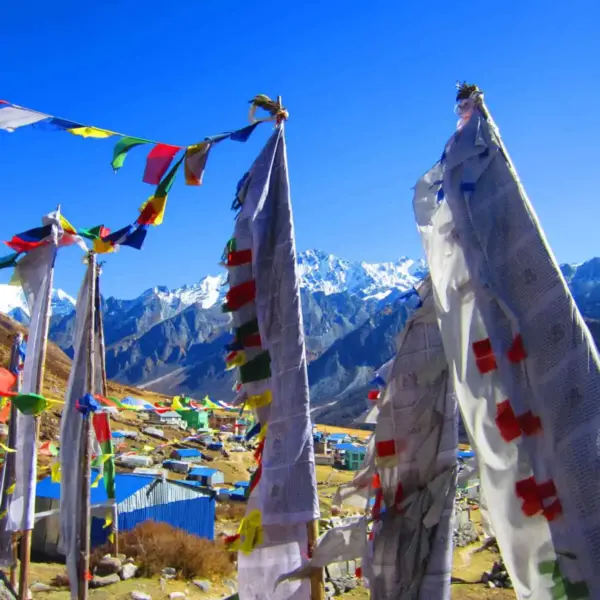
Langtang Gosainkunda Helambu Trek
Trekkers often underestimate the difficulty of the Langtang Valley Trek because it isn’t as high in altitude as the Everest Base Camp…
Preventive measures to avoid Altitude Sickness are:
- Hike to Kyanjin Ri or nearby spots to acclimate to the altitude before heading any higher.
- Drink 3–4 liters of water daily to stay hydrated.
- Eat enough carbohydrates to maintain your energy levels and support oxygen absorption.
- Avoid alcohol and smoking, especially above 3,000m. Alcohol dehydrates your body, and smoking reduces oxygen intake.
- Don’t rush. Stick to the 8-day itinerary, or add an extra day if needed.
- Inform the guide and rest immediately if you feel dizzy, nauseous, or overly tired.
- Carry Diamox or ibuprofen for emergencies. However, use them only if you’ve consulted with the doctor.
The Langtang Valley Trek starts at a low altitude (2,380m), but it is a short and fast-paced trek. Hence, altitude sickness can be sneaky on this journey. Pay attention to your body’s reactions at all times.
Tips To Overcome Langtang Trek Difficulty
You don’t need to be an athlete to complete the Langtang Trek, but being physically and mentally prepared makes a huge difference. It involves 5–7 hours of walking every day, with steep climbs and rocky sections, so showing up untrained is like asking for sore legs and regret.
Here’s how to get your mind and body ready:
- Begin training at least 4–6 weeks before your trek.
- Go for daily walks or hikes, gradually increasing distance and elevation.
- Include leg workouts (lunges, squats, step-ups) to build strength.
- Try cardio like running, cycling, or stair climbing to boost stamina.
- If possible, do some practice hikes with a backpack to get used to the weight.
- Don’t forget to stretch to loosen up tight muscles.
- Ensure your boots are well-fitted, comfortable, and worn in enough to avoid blisters.
- Be ready for long days, tired feet, and cold mornings. Mental toughness is a game-changer.
- Pack travel-sized soap, sanitizer, and wet wipes for basic hygiene.
- Bring a small towel, toilet paper, and personal toiletries. Langtang teahouses will not have them.
You don’t need a gym membership: just consistency and commitment. Your future trekking self will thank you.
Importance of hiring a local guide
Langtang Valley is remote. Additionally, it doesn’t attract many trekkers, so without a guide, you’ll be wandering around helplessly. Guides make your journey safer, smoother, and way more enriching. Here are more reasons why hiring a local guide is important in this trek:
- Navigation help: The Langtang trek route isn’t always well-marked, especially after landslides or snowfall. Local guides know the safest paths.
- Altitude and health support: They can recognize altitude sickness symptoms early and take prompt action.
- Local knowledge: They give you insights about Tamang culture, monasteries, nature, and local legends you’d miss otherwise.
- Language bridge: Most villagers speak only Nepali or Tamang. A guide helps you communicate and feel welcome.
- Emergency backup: If something goes wrong, they know how to get help quickly, whether it’s rerouting, first aid, or calling a rescue.
- Support the community: Hiring a local guide directly benefits the economy of the region, which suffered greatly from the 2015 earthquake.
Going solo might sound adventurous, but with a guide, you can focus on the views rather than the logistics or risks.

How Langtang compares with Annapurna Base Camp or Everest Base Camp
Now, you must be wondering which to choose between Langtang, Annapurna Base Camp, and Everest Base Camp? Each trek has its own vibe, altitude challenge, and scenery. Here’s a quick comparison to help you figure out which one best suits your time, fitness level, and mountain goals.
| Feature | Langtang Valley Trek | Annapurna Base Camp (ABC) | Everest Base Camp (EBC) |
|---|---|---|---|
| Max Altitude | Tserko Ri (5,033m) | Annapurna Base Camp (4,130m) | Everest Base Camp (5,364m) |
| Duration | 8 days | 9 days | 14 days |
| Difficulty | Moderate | Moderate to Challenging | Challenging |
| Trek Distance (approx.) | 60–80 km | 100–115 km | 130+ km |
| Trail Conditions | Steep, remote, less crowded | Varied terrain, some stairs | Long, high altitude, colder |
| Acclimatization Days | Kyanjin Gompa | , optional at Deurali or MBC | Namche Bazaar, and Dingboche |
| Views | of glaciers, alpine valleys, peaks | , Annapurna Massif, Machapuchare | , Everest, Lhotse, Khumbu Glacier |
| Crowds | Less crowded | Moderately crowded | Very crowded |
| Accessibility | Bus to Syabrubesi from Kathmandu | , Drive to Nayapul or Ghandruk | , Flight to Lukla from Kathmandu |
| Permit Needed | TIMS + Langtang National Park | TIMS + ACAP | TIMS + Sagarmatha National Park |
Conclusion
To sum up, the Langtang Valley Trek strikes a sweet balance between challenge and beauty. It’s not Everest or Annapurna in scale, but don’t let that fool you. Its steep climbs, remote trails, and altitude up to 5,033 meters still demand respect and preparation. With solid fitness, smart acclimatization, and maybe a local guide by your side, this Langtang trek of 8 days can be one of your most rewarding Himalayan adventures.
Trekkers often underestimate the difficulty of the Langtang Valley Trek because it isn’t as high in altitude as the Everest Base Camp…
If you’re up and ready to visit Langtang, contact us. We at Action Nepal Treks will be more than happy to assist you.