


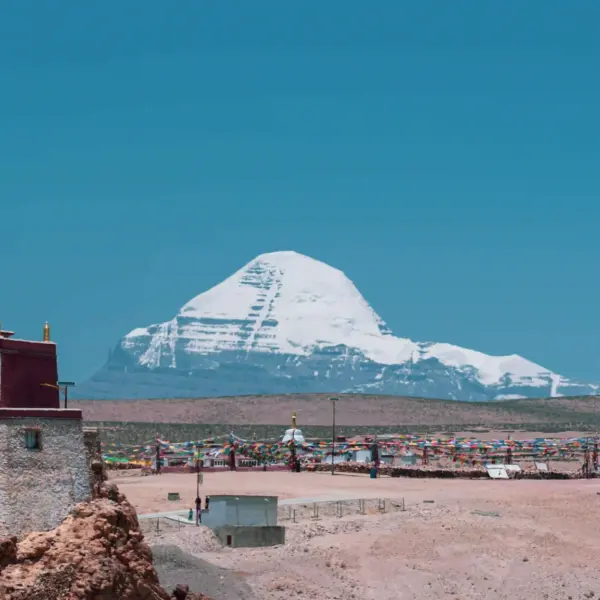

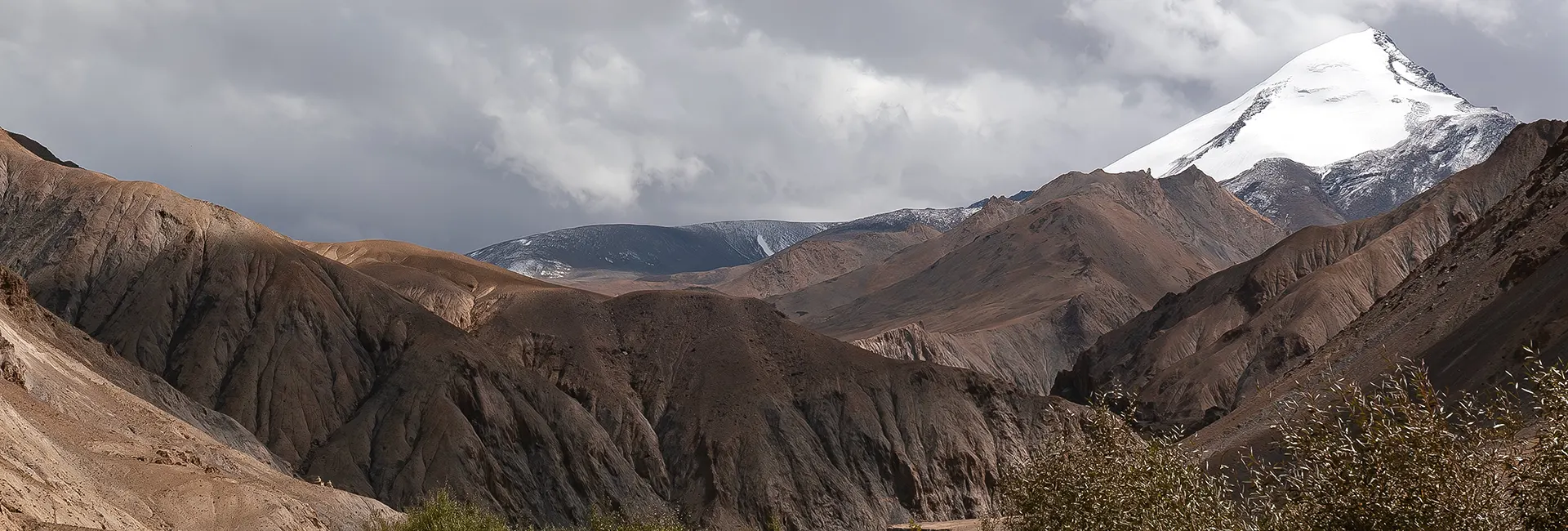
Have you ever seen photos of the Himalayas and dreamed of walking among those mountains? If so, Nepal is the perfect place to start. Known for its stunning landscapes, friendly people, and world-famous trekking routes, Nepal welcomes thousands of trekkers every year. The better news is that trekking in Nepal as a beginner is not as difficult as many may imagine. Even first-time trekkers can have a memorable journey in the Himalayas with well-marked trails, cozy tea houses, and numerous easy-to-follow paths.
Nepal is often called the trekking capital of the world. That title comes from decades of building trails, guesthouses, and support systems that make it genuinely possible for everyday people to walk through high Himalayan terrain. You do not need to be an athlete. You do not need prior climbing experience. What you need is some preparation, the right information, and a willingness to walk at your own pace. This Nepal trekking guide for first-timers covers all of that in one place.
There is a common idea that trekking in Nepal is only for seasoned adventurers. That is simply not true. Many of the most popular trails in the country were designed for first-time visitors. The tea house network means you can walk for days without carrying a tent or cooking your own food. The trails are well marked, guides are easy to find, and the communities along the way are genuinely welcoming to visitors.
This guide covers everything a first-time trekker needs to know. You will find the ten best easy treks in Nepal for beginners, a breakdown of costs, the best seasons to go, how to prepare physically, what to pack, and answers to the most common questions. By the time you finish reading, you will have a clear picture of what trekking in Nepal for beginners actually looks like and which trail is right for you.
Why Nepal is the Perfect Destination for Beginner Trekkers
Diverse Trekking Options
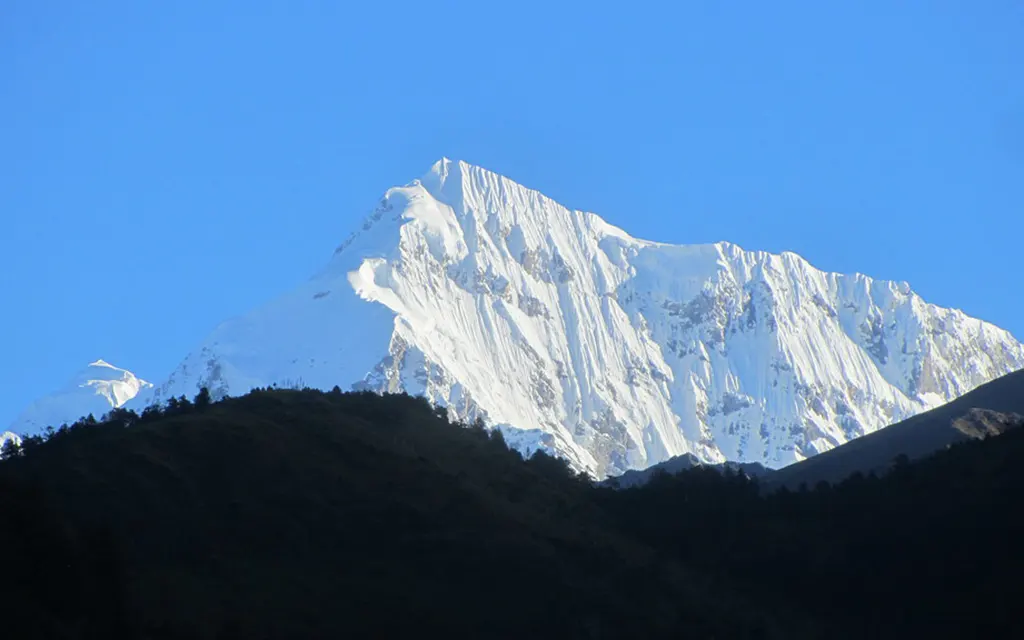
Nepal offers a range of trails that suit every level of fitness and every schedule. When it comes to trekking in Nepal for beginners, you can complete some routes in three or four days, while others take two to three weeks. Some trails stay below 3,000 meters, which keeps altitude sickness largely out of the picture. Others climb gradually through forests and high pastures before reaching a ridge with wide mountain views. No matter how much time you have or how fit you are, there is a route that fits.
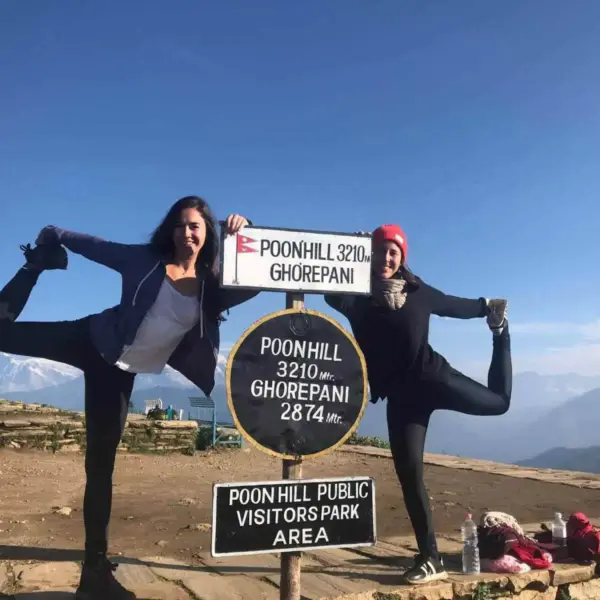
4 Days Ghorepani Poon Hill Trek
Have you ever seen photos of the Himalayas and dreamed of walking among those mountains? If so, Nepal is the perfect place…
Well-developed trekking infrastructure
One of the biggest advantages Nepal has over other trekking destinations is its tea house system. Along most popular trails, you will find small family-run lodges spaced at comfortable walking intervals. These lodges offer a bed, hot food, and often a warm fire in the evenings. Trails are clearly marked, and local guides and porters are available at most starting points. This is exactly what makes trekking in Nepal so manageable for first-timers compared to other mountain destinations worldwide.
Himalayan Views Without the Technical Challenges
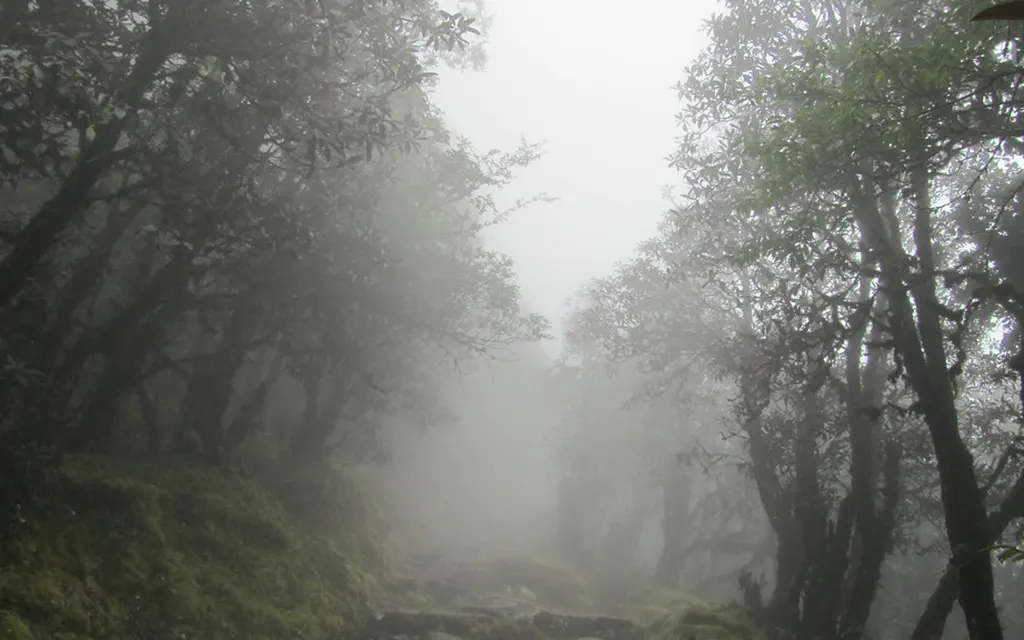
Many people assume you need to climb high to see the big peaks. In Nepal, that is not always the case. The best easy treks in Nepal, such as Ghorepani Poon Hill and Mardi Himal, offer clear views of peaks like Annapurna, Dhaulagiri, Manaslu, and Machhapuchhre without putting you anywhere near technical terrain. You walk through rhododendron forests, pass small farming villages, and wake up to mountain views that simply cannot be seen from a road.
Rich Cultural Experience
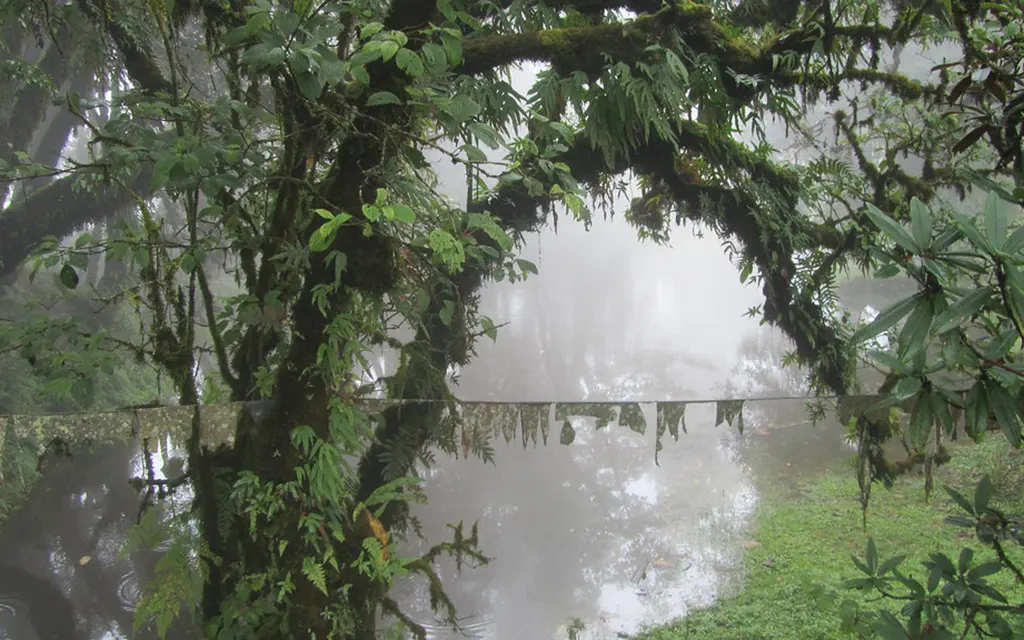
Trekking in Nepal for beginners is not just about mountains. The trails pass through Sherpa villages, Gurung settlements, and Tamang communities, each with its own way of life. You will pass through Buddhist monasteries where monks practice daily rituals, see prayer flags strung across ridges, and eat dal bhat cooked on wood fires in family kitchens. This cultural texture happens naturally when you walk through the places where people actually live.
Things Every Beginner Should Know Before Trekking in Nepal
Any good Nepal trekking guide for first timers will tell you the same thing: preparation is everything. The trail rewards people who plan ahead and challenges those who show up without thinking things through.
Choose the Right Trek
The most important decision you will make is which trail to do. Picking a route that is too ambitious for your current fitness level can turn a great trip into a miserable one. When it comes to trekking in Nepal for beginners, start with a trail graded easy to moderate, with good tea house availability, and that keeps you below 4,000 meters. The routes listed in this guide are all solid starting points.
Understand Altitude
At higher elevations, the air contains less oxygen, and your body needs time to adjust. Anyone may experience altitude sickness, no matter how fit they are. The most important principle is the following: climb slowly, drink plenty of water, and never ignore signs such as chronic headache, nausea, or dizziness. The majority of beginner trails remain at altitudes where serious altitude illness is unlikely; nevertheless, awareness is valuable.
Trekking Permits
Nearly all trekking spots in Nepal need permits, although the specifications of this permit vary according to the region you are going to. Major trekking regions also need conservation area permits, national park permits or even local entry permits. The regulations also vary over time; therefore, prior to your visit, it is best to verify the current requirements or contact an authorized trekking agency. The permit fees depend on the area and are normally organized in Kathmandu or Pokhara prior to the trek.
Travel Insurance
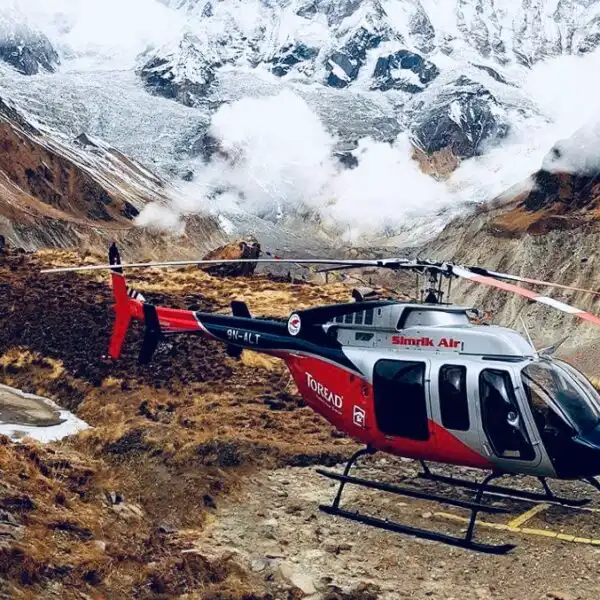
Travel insurance is important. Ensure high-altitude trekking and helicopter evacuation are covered by your policy. Most trekking destinations lack medical facilities, and an emergency helicopter evacuation would cost thousands of dollars without insurance.
Hiring a Guide vs Independent Trekking
Regulations on trekking in Nepal are subject to change, and some trekking areas currently require foreign trekkers to be accompanied by a licensed guide. Always ensure that you have the most recent regulations for your destination before planning an independent trek. Although independent trekking is allowed in many places, taking a guide can often enhance the experience significantly. Guides assist in navigation, logistics, the local culture, and safety, whereas porters may carry heavier bags and make daily walks more comfortable.
Physical Preparation
You do not need to be a marathon runner, but walking for four to six hours a day over uneven terrain does require some base fitness. Start preparing at least four to six weeks before your trip. Walk regularly, include some uphill sections, and build up to carrying a light daypack. The more prepared you are, the more you will enjoy trekking in Nepal as a beginner.
Budget Planning
Nepal trekking can be done on a tight or generous budget. Accommodation in tea houses ranges from very affordable to comfortable, mid-range options. Meals are cheap by global standards. A rough daily budget of USD 30-60 per person comfortably covers most beginner routes.
Best Time for Trekking in Nepal for Beginners
Timing matters more than most first-timers realize. Choosing the right season is one of the most practical decisions in any Nepal trekking guide for first-timers, and it can determine whether your trip feels easy and enjoyable or unnecessarily hard.
Spring (March to May)
Pros: Spring is a very pleasant time of the year to go trekking because of warm weather, long days, and blooming rhododendrons. Visibility is typically good, particularly in March and April, before the accumulation of pre-monsoon haze.
Cons: It can make popular trails very busy, especially in April. At lower altitudes, temperatures are rapidly increasing.
Autumn (September to November)
Pros: This is widely considered the best season for beginners to trek in Nepal. Late in September, the monsoon subsides, and the air is clear and the sky bright. The weather is pleasant, trails are healthy, and mountain views are at their best.
Cons: It is peak season, which means there will be an increase in the number of trekkers on popular routes. The tea houses are often booked, so it is best to book in advance or start early in the day.
Winter (December to February)
Pros: Trails are quiet, and lower elevation routes are perfectly walkable. Costs tend to drop, and you can often have tea houses almost to yourself.
Cons: Cold temperatures at higher elevations, and some passes on moderate routes may have snow. Shorter daylight hours limit walking time.
Monsoon (June to August)
Pros: Lush green landscapes and very few other trekkers. Rain shadow areas like Upper Mustang remain dry and offer good trekking even during the monsoon season.
Cons: Leeches on many lower trails, wet and slippery paths, frequent cloud cover blocking mountain views, and a higher risk of trail washouts.
Season Comparison Table
| Season | Weather | Views | Crowds | Best For |
| Spring (Mar–May) | Warm, clear | Very good | , moderate to busy | , wildflower and mountain views |
| Autumn (Sep–Nov) | Cool, stable | Excellent | Busy | First timers, all routes |
| Winter (Dec–Feb) | Cold at altitude | Good | Quiet | Low altitude, budget trekkers |
| Monsoon (Jun–Aug) | Wet, humid | Limited | Very quiet | Rain shadow areas only |
10 Best Easy Treks in Nepal for Beginners
This section is the core of this Nepal trekking guide for first-timers. Each route below was chosen because it balances scenery, cultural depth, and accessibility without demanding more than a motivated beginner can give.
1. Ghorepani Poon Hill Trek
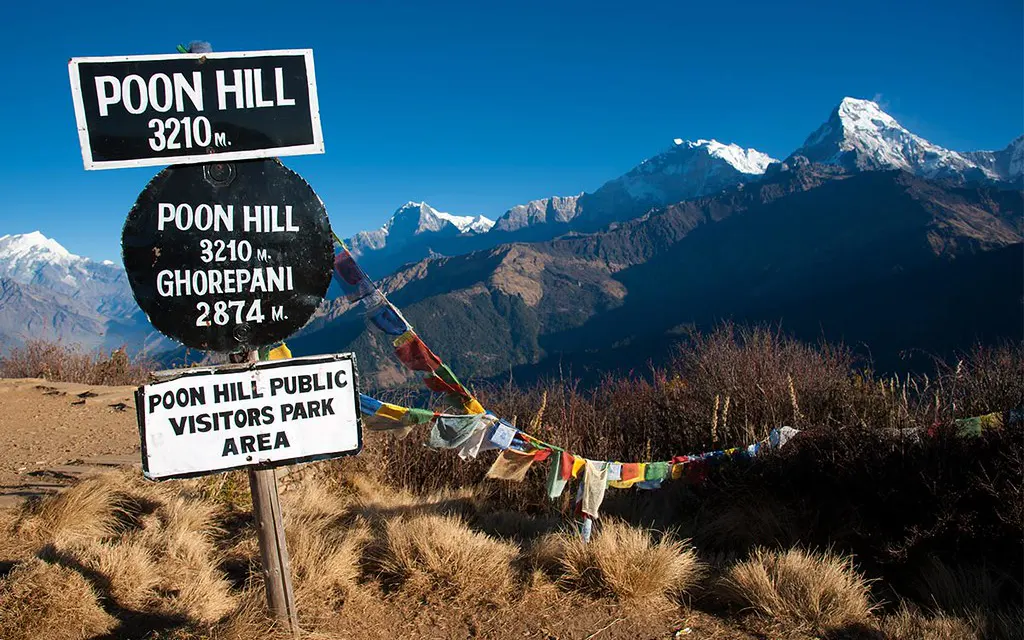
This is the most popular option for beginner trekkers in Nepal, and it deserves that reputation. You will walk through traditional Gurung and Magar villages, dense rhododendron forests, and end with a sunrise view from Poon Hill, which people talk about for years.
Duration: 4 to 5 days
Difficulty: Easy to moderate
Maximum Altitude: 3,210 meters (Poon Hill)
Highlights: Sunrise views of Annapurna and Dhaulagiri ranges, rhododendron forests in full color during spring, Gurung village culture, and comfortable tea houses throughout.
Best Time: March to May for flowers, October to November for clearest skies
Who It Is Best For: Perfect for first timers with basic fitness. The trail is well-developed, well-marked, and offers consistent tea house accommodation. Walking days are around 4-6 hours long.
2. Langtang Valley Trek
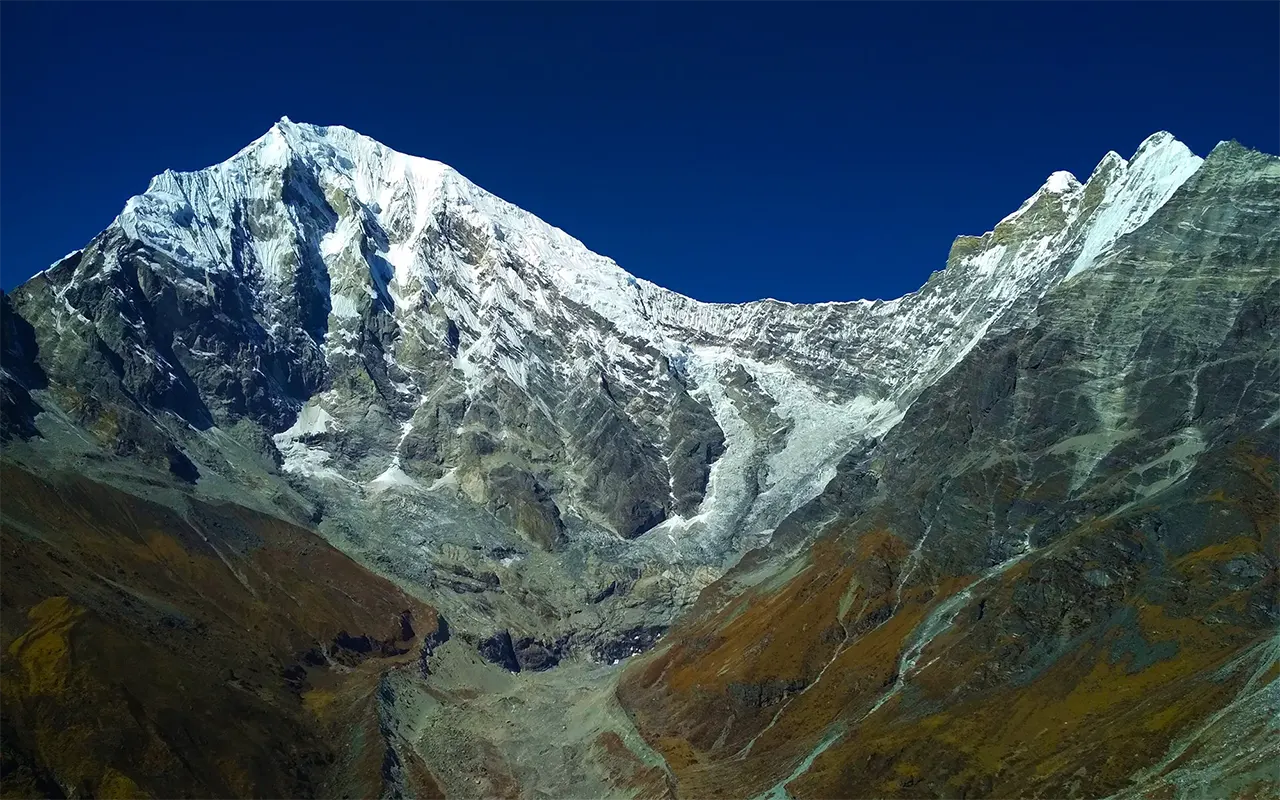
Langtang sits just north of Kathmandu and is one of the most accessible valleys in the Himalayan region. As one of the best easy treks in Nepal within reach of the capital, it draws trekkers who want mountain scenery without a long flight connection to Pokhara. The trail follows a river gorge through forests before opening into a wide valley surrounded by peaks.
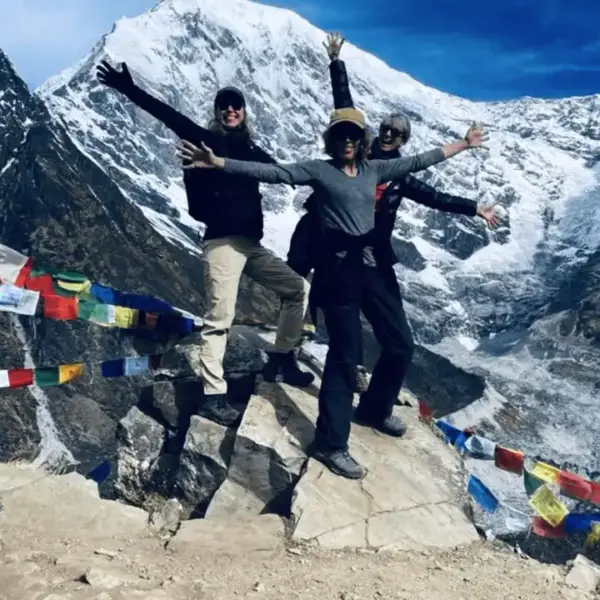
8 Days Langtang Valley Trekking
Have you ever seen photos of the Himalayas and dreamed of walking among those mountains? If so, Nepal is the perfect place…
Duration: 7 to 10 days
Difficulty: Moderate
Maximum Overnight Altitude: 3,870 meters (Kyanjin Gompa)
Highlights: Kyanjin Ri viewpoint, Langtang village, yak pastures, Tamang Heritage settlements, fresh yak cheese from local dairies
Best Time: March to May, October to November
Tips: Spend an appropriate acclimatization day in Kyanjin Gompa, then climb to the viewpoint. Even during cloudy days, the valley is beautiful.
3. Mardi Himal Trek
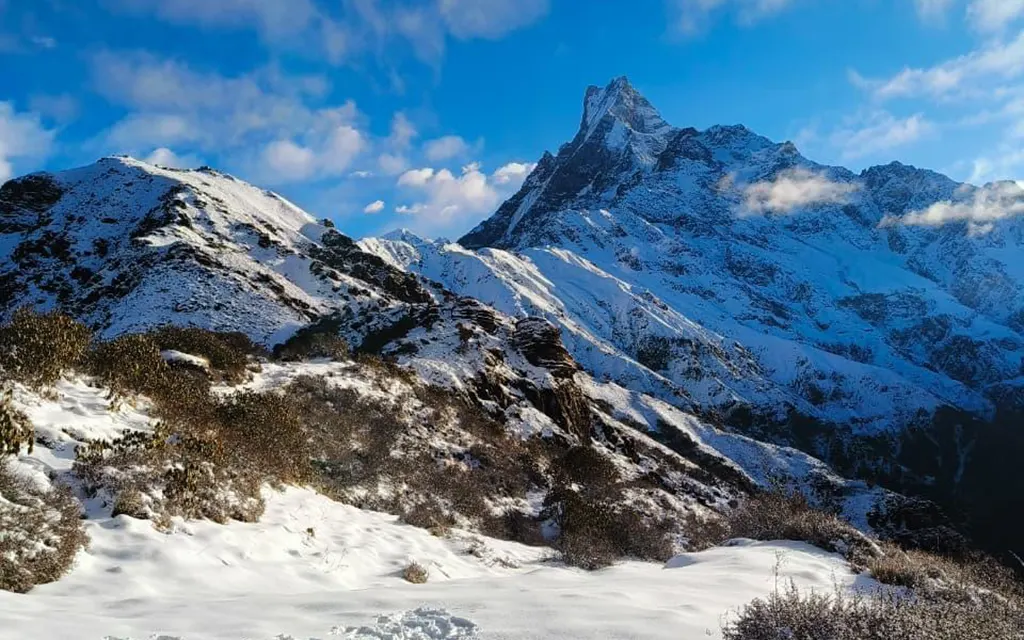
An alternative, less popular trail to the Ghorepani route, this trail is ideal for the trekker who prefers to avoid the crowds and enjoy intimate views of the Himalayas. Even though it is good for very fit beginners, its elevation is higher and thus more challenging than other beginner-friendly treks. It traverses a high ridge above the Annapurna foothills, providing you with very close-up views of the Machhapuchhre and the Annapurna massif without the press of the main circuit.
Duration: 5 to 7 days
Difficulty: Moderate
Highest Elevation: 4,500 m (Mardi Himal Base Camp)
Highlights: Intimate Machhapuchhre, oak and rhododendron trail, silent lodges, variable trail.
Best Time: March-May, October-November.
Tips: It can be chilly and windy above High Camp. Bring warm layers even if the lower trail feels mild. This trek is gaining popularity, but it is still far quieter than Poon Hill.
4. Everest View Trek
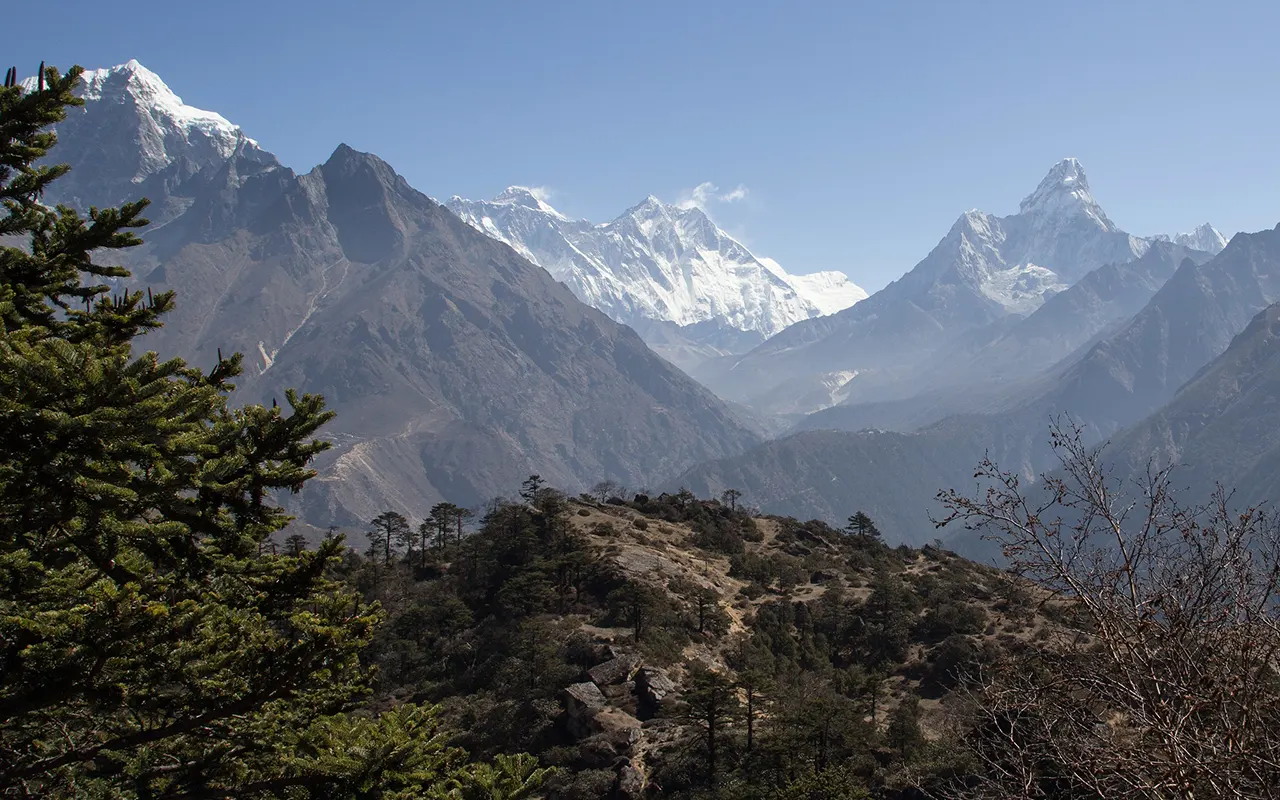
You do not need to walk for two weeks to see Everest. This short trek is a great example of how beginners can trek in Nepal’s Everest region without the full commitment. It takes you to Namche Bazaar and Syangboche, where you get genuine views of the world’s highest peak.
Duration: 5 to 7 days
Difficulty: Easy to moderate
Maximum Altitude: 3,900 meters (Syangboche)
Highlights: Views of Everest, Lhotse, and Ama Dablam, Namche Bazaar market, Sherpa culture, Tengboche Monastery option
Best Time: October to November, March to May
Tips: Even at this moderate altitude, proper acclimatization matters. Spend an extra night in Namche and do a short hike above the village before moving higher.
5. Australian Camp Trek
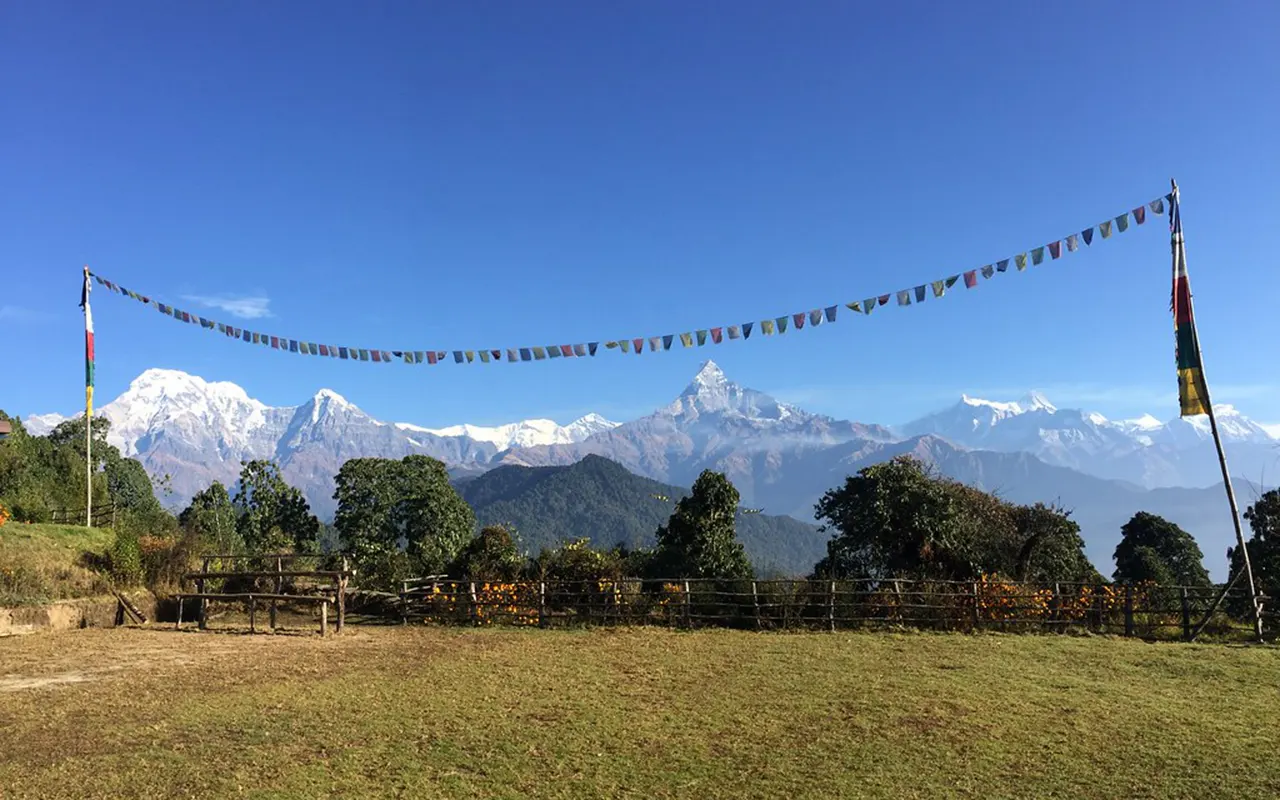
This is a very short trail that begins right outside Pokhara and is suitable for those with little time or those who want to get a feel for Himalayan treks before embarking on a longer one. It is one of the best simple treks in Nepal for those in Pokhara who want a quick yet real and rewarding mountain-walking experience.
Duration: 2 to 3 days
Difficulty: Easy
Maximum Altitude: 2,060 meters
Highlights: Panoramic views of Annapurna South, Hiunchuli, and Machhapuchre; village life around Dhampus and Pothana; and easy access to Pokhara.
Best Time: Year-round, except during heavy monsoons.
Tips: This hike is quite comfortable to complete without a guide. It is a good warming-up to a longer walk or a short adventure on its own.
6. Helambu Trek
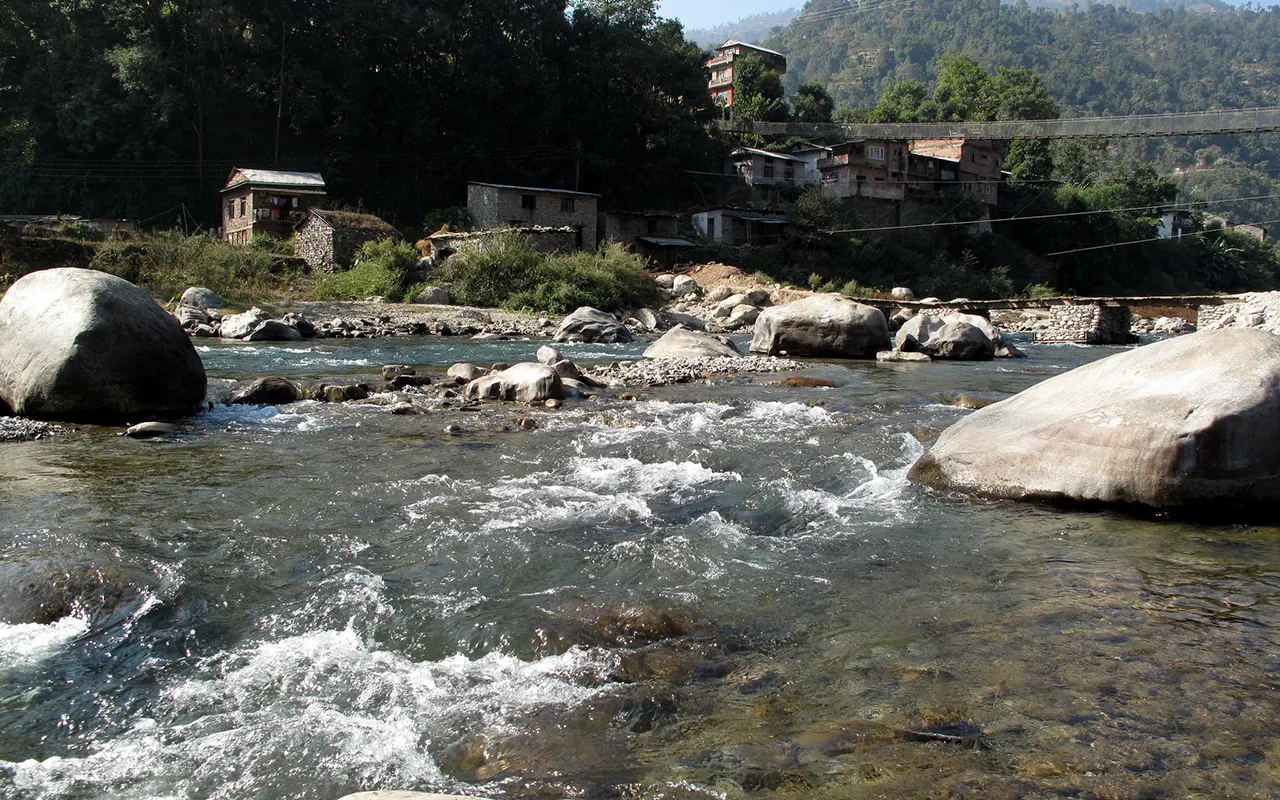
Helambu, which is culturally rich, is a trek through Kathmandu towards the northeast, through the communities of Hyolmo Sherpas. Helambu is one of the least-visited locations in Nepal that can be offered to beginners interested in trekking, with a particular emphasis on culture rather than altitude.
Duration: 5 to 7 days
Difficulty: Easy to moderate
Maximum Altitude: 3,640 meters (Tharepati)
Highlights: Hyolmo Sherpa villages, Buddhist monasteries and chortens, apple orchards, forest trails above Melamchi valley
Best Time: October to November, March to May
Tips: Helambu is often overlooked in favor of Langtang, which means the trails are quieter. It pairs well with Langtang for a longer combined route.
7. Panchase Trek
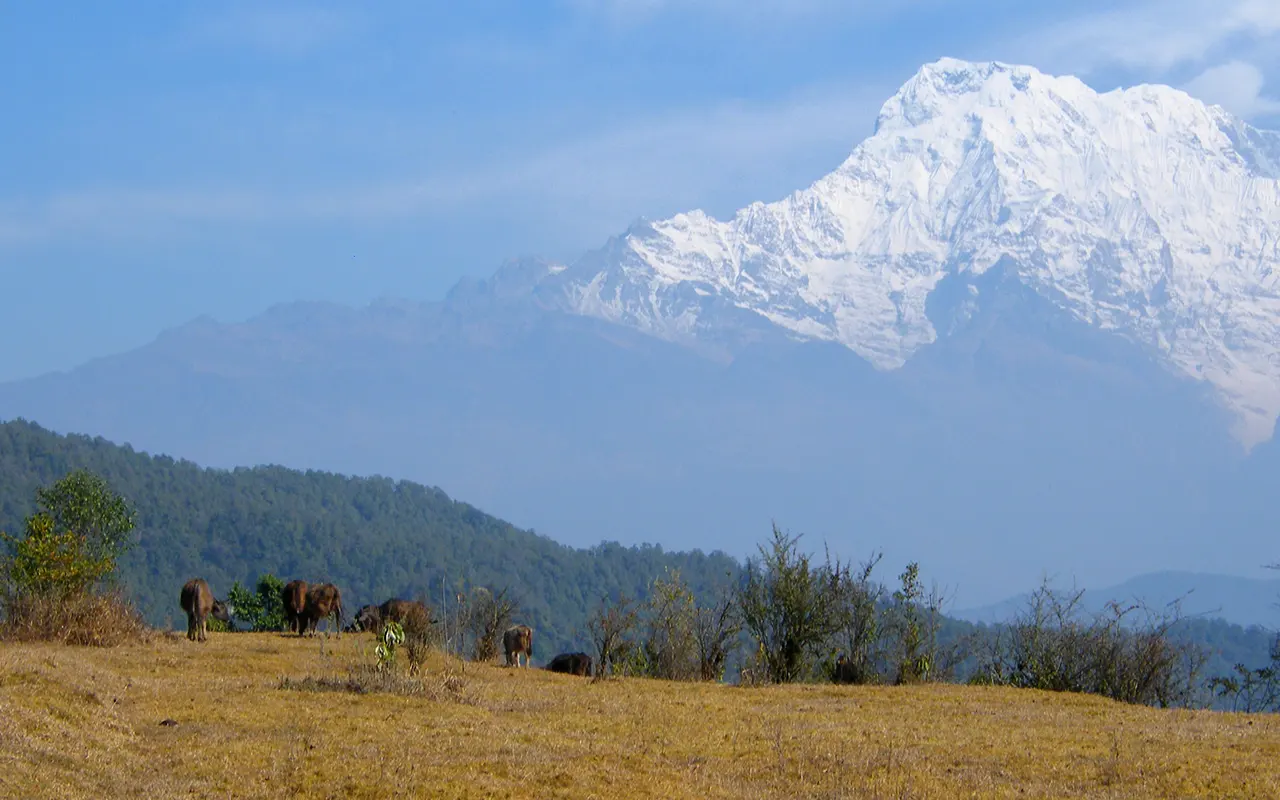
Panchase is a gentle ridge walk starting from Pokhara that passes through community forests and gives wide views of the Annapurna range. It is one of the best easy treks in Nepal for families, older travelers, or complete beginners who want a low-pressure introduction to Himalayan trail walking.
Duration: 3 to 4 days
Difficulty: Easy
Maximum Altitude: 2,517 meters (Panchase Bhanjyang)
Highlights: Dense rhododendron forest, lake and mountain views, quiet village life, close proximity to Pokhara
Best Time: March to May for flowers, October to November for views
Tips: This trek is excellent in March when the rhododendrons are in full bloom. It is accessible directly from Pokhara and requires no long transport to the trailhead.
8. Mohare Danda Trek
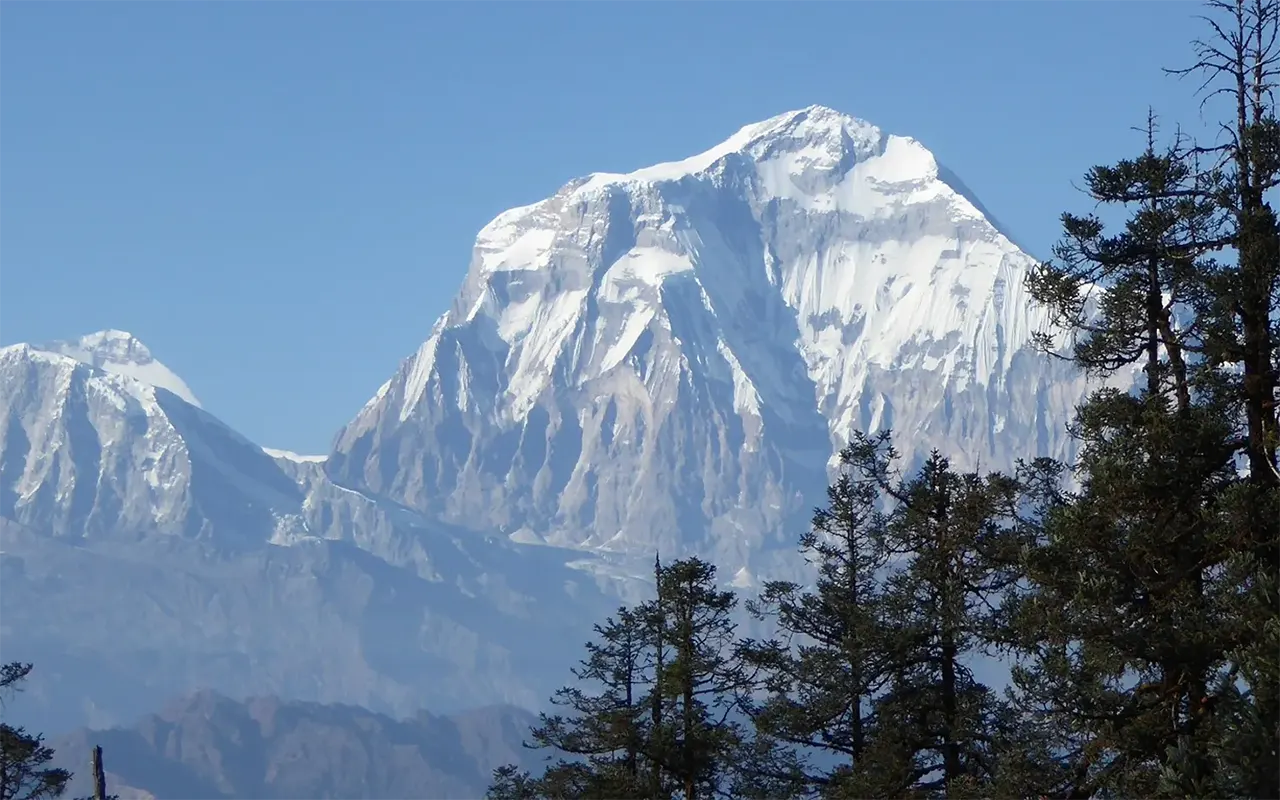
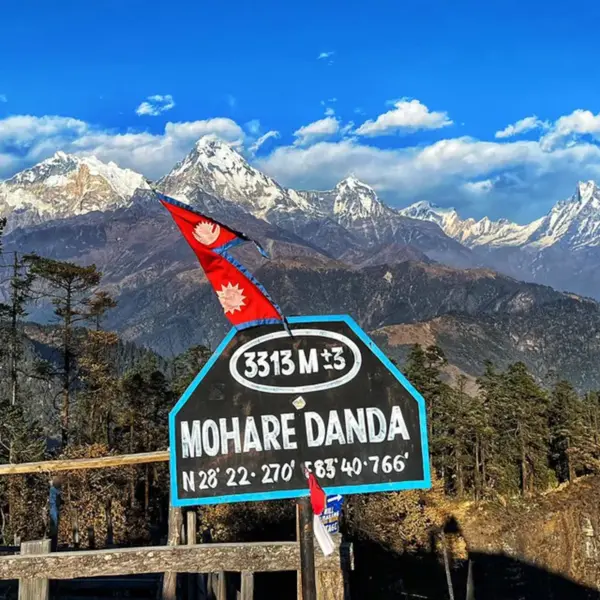
Mohare Danda sits on a community-managed ridge between the Annapurna and Dhaulagiri ranges. Trekking in Nepal for beginners rarely gets better than this in terms of the effort-to-reward ratio. The top viewpoint offers a wide-angle view of both ranges simultaneously.
Have you ever seen photos of the Himalayas and dreamed of walking among those mountains? If so, Nepal is the perfect place…
Duration: 5 to 7 days
Difficulty: Moderate
Maximum Altitude: 3,300 meters
Highlights: 360 degree ridge views of Annapurna, Dhaulagiri, and Nilgiri, community lodge experience, quiet trails through Gurung villages, rhododendron and pine forests
Best Time: March to May, October to November
Tips: The community lodges at Mohare Danda are simple but clean and friendly. Carry some cash as there are limited charging facilities. This is a great choice if you want to avoid the crowds of the main Annapurna circuit.
9. Royal Trek
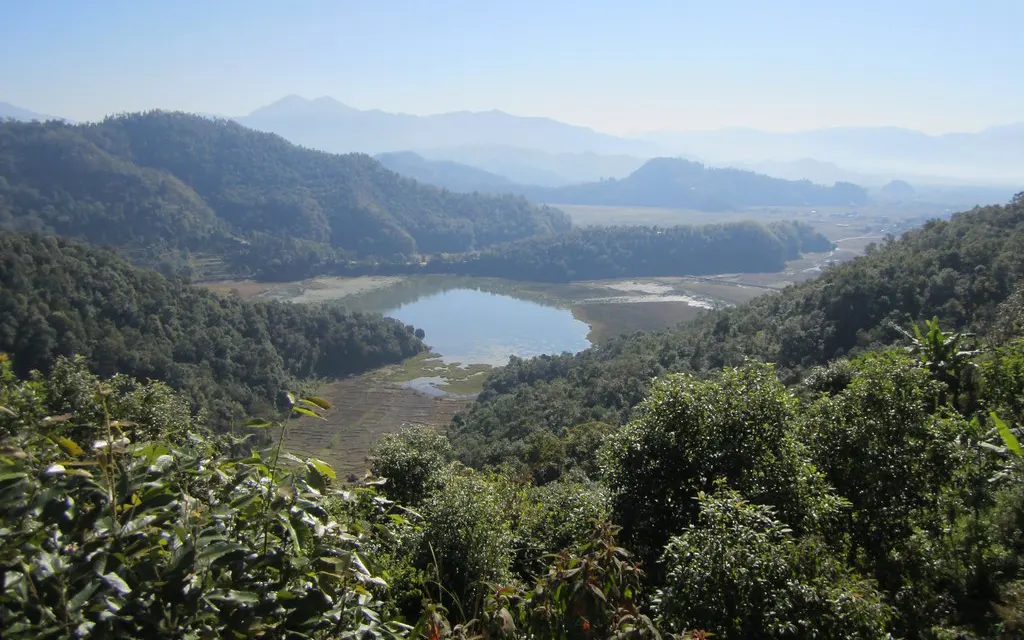
Named after a visit by the British royal family in the 1980s, this short loop runs through low hills north of Pokhara. Being one of the most enjoyable easy treks in Nepal, over which older travelers or families with children can walk, it remains at a relatively low altitude and is at a slow pace, with traditional Gurung and Magar villages with views of Annapurna on clear days.
Duration: 3 to 4 days
Difficulty: Easy
Maximum Altitude: 1,425 meters
Highlights: Villages, Gurung people, Annapurna glimpses along the ridge sections, easy terrain, near Pokhara.
Best Time: October to April
Tips: It is a perfect hike for older travelers, families with children, and anyone seeking a gentle introduction to Nepal’s hill culture who has no issues with altitude.
10. Chisapani Nagarkot Trek
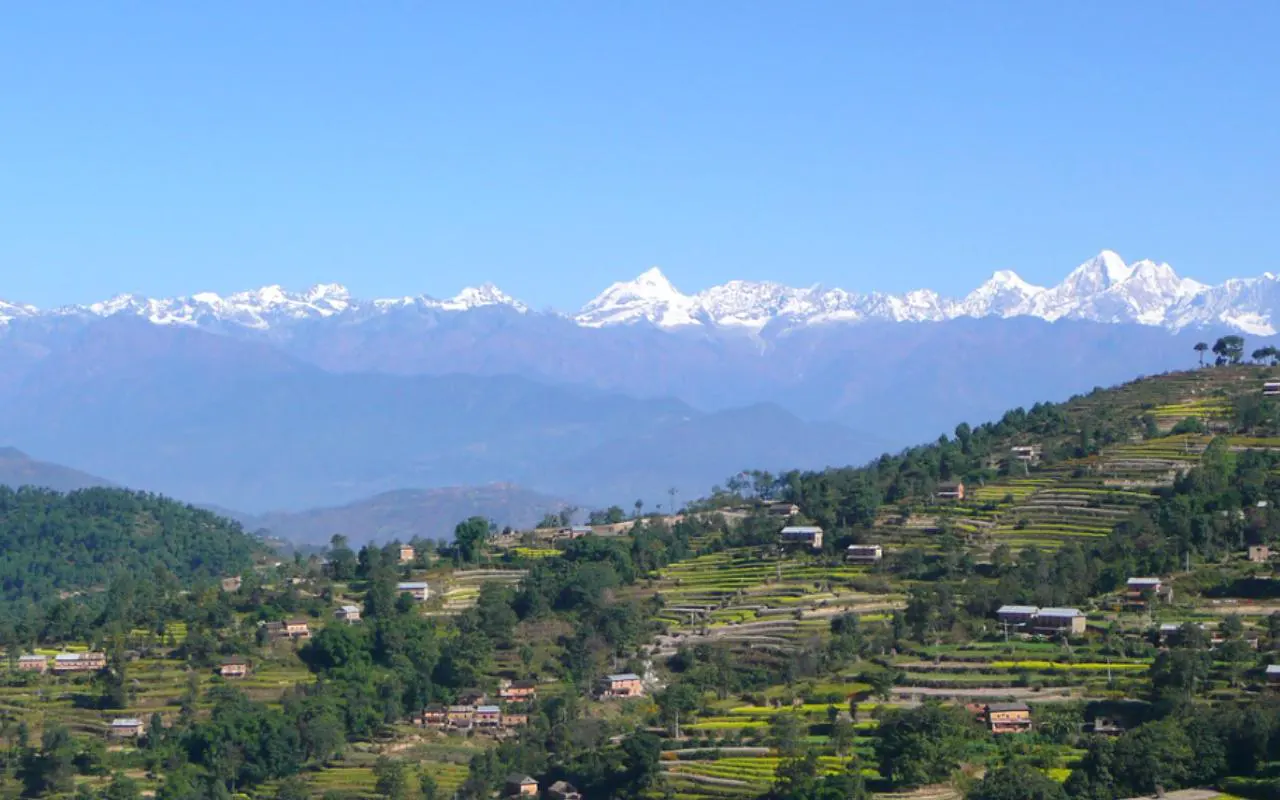
This trail connects two popular hill stations east of Kathmandu and can be done as a weekend trip. It is the most convenient trekking example in Nepal for beginners staying in Kathmandu who want to get on the trail quickly without a long journey to a distant trailhead.
Duration: 2 to 3 days
Difficulty: Easy
Maximum Altitude: 2,195 meters (Nagarkot)
Highlights: Shivapuri National Park forest, Himalayan sunrise from Nagarkot, proximity to Kathmandu, easy logistics
Best Time: October to April
Tips: Start at Sundarijal, walk through the national park to Chisapani, and continue to Nagarkot before returning to the city. This works perfectly as a first trail for visitors based in Kathmandu.
Trek Comparison Table
| Trek | Duration | Difficulty | Max Altitude | Best For |
| Ghorepani Poon Hill | 4–5 days | Easy–Moderate | 3,210m | First timers, sunrise views |
| Langtang Valley | 7–10 days | Moderate | 3,870m | Culture and scenery |
| Mardi Himal | 5–7 days | Easy–Moderate | 4,500m | Quiet trails, close mountain views |
| Everest View | 5–7 days | Easy–Moderate | 3,880m | Short Everest region experience |
| Australian Camp | 2–3 days | Easy | 2,060m | Quick Pokhara getaway |
| Helambu | 5–7 days | Easy–Moderate | 3,640m | Cultural immersion |
| Panchase | 3–4 days | Easy | 2,517m | Families, rhododendron season |
| Mohare Danda | 5–7 days | Moderate | 3,300m | Dual range views, community lodges |
| Royal Trek | 3–4 days | Easy | 1,425m | Relaxed, low altitude trekkers |
| Chisapani Nagarkot | 2–3 days | Easy | 2,195m | Kathmandu weekend trek |
How Difficult is Trekking in Nepal for Beginners?
This is one of the most common questions in any Nepal trekking guide for first timers, and the honest answer is: it depends on the trail you choose.
Easy
Easy treks typically involve 3 to 5 hours of walking per day on well-maintained trails with modest elevation gain. Most beginner routes in Nepal fall into this category. You will walk on stone steps, dirt paths, and occasional rocky sections, but nothing that requires any technical skill.
Moderate
Moderate trails increase daily walking to 5 to 7 hours and may involve greater elevation gains, steeper sections, or higher altitudes where the air is thinner. The Langtang Valley Trek and Mardi Himal Trek sit in this range. A reasonable base fitness level and some prior hill walking make these very manageable for beginners serious about trekking in Nepal.
Challenging
Challenging treks are not listed in this guide as beginner routes. These involve long days, technical passes, or altitudes above 5,000 meters. Longer treks like the Everest Base Camp Trek and the complete Annapurna Circuit are harder to do because of their duration and elevation and demand higher levels of fitness, more days of trekking, and more acclimatization.
Factors that affect difficulty
Cumulative fatigue during a multi-day trek is determined by the number of walking hours per day. The trail can be smooth stones and rocks or muddy paths after rainfall. The gain in elevation is more important than the overall height since steeper parts of the trail make the legs weary more rapidly. Weather can dramatically change the experience, with cold winds and rain making even easy trails feel hard.
Fitness Preparation for Beginner Trekkers
You do not need to transform your body before trekking in Nepal as a beginner. But some consistent preparation in the weeks before your trip will make a real difference in how much you enjoy it.
Walking Practice
Start walking regularly four to six weeks before your trip. Gradually increase your daily distance and include uphill sections wherever you can. Hills, stairways, and inclines all train the specific muscles you will use on the trail.
Stair Training
Stair climbing is one of the best preparations for Himalayan trekking. It trains your quads, glutes, and calves in exactly the way trail walking does. Include downhill sections too, since descending puts a different kind of strain on your knees.
Cardio
Running, cycling, or swimming three times a week helps build the cardiovascular base you need to walk comfortably at altitude. Even brisk daily walks count.
Strength Training
Light strength work focused on legs and core goes a long way. Squats, lunges, step-ups, and planks are all useful. A strong core reduces back fatigue when carrying a daypack.
Flexibility
Stretching before and after training reduces soreness and keeps your joints moving well. Pay attention to your calves, hip flexors, and hamstrings.
4 Week Beginner Fitness Plan
| Week | Focus | Activity |
| Week 1 | : Base building | , 30 min walks daily, light stretching, 2 strength sessions |
| Week 2 | : Add hills | , 45 min hill walks, stair climbing, and 2 strength sessions |
| Week 3 | : Increase distance | to 60 to 90 min walks with a pack, cardio 3x per week |
| Week 4 | Final prep | Long day walk (3 to 4 hours), reduce intensity last 2 days |
Essential Packing List for Beginners
Packing well makes a noticeable difference on the trail. Too much weight slows you down and puts strain on you. Too little leaves you cold or unprepared. This is one section of any Nepal trekking guide for first timers that is worth reading twice before you zip your bag.
Clothing
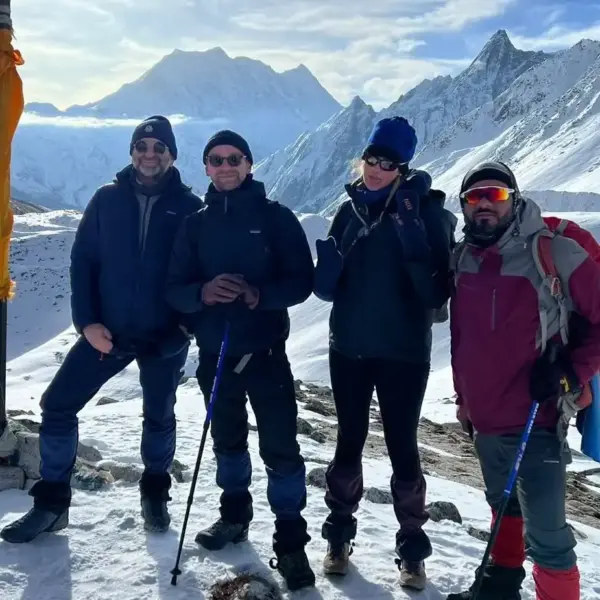
Base layers (moisture-wicking, not cotton), a mid-layer fleece, a down jacket for evenings and higher altitudes, a waterproof outer jacket, trekking pants or convertible trousers, and a warm hat and gloves for cold mornings.
Footwear
Waterproof trekking boots are the single most important piece of kit for beginner trekkers in Nepal. Make sure they are properly broken in before your trip. Bring lightweight camp shoes or sandals for evenings at the tea house, and several pairs of moisture-wicking trekking socks.
Accessories
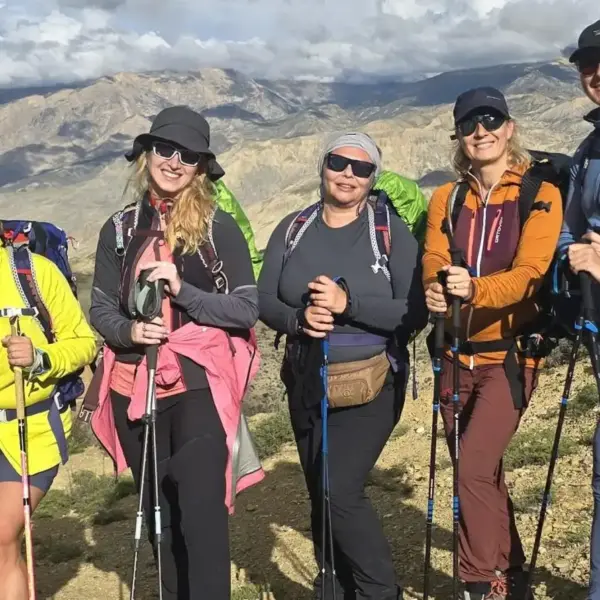
A 30 to 40 liter daypack, trekking poles (optional but useful on descents), UV protection sunglasses, sun hat, neck gaiter, and a buff or light scarf.
Electronics
A power bank is essential because charging facilities in remote tea houses are limited or require a fee. A head torch with spare batteries, and a camera or smartphone with extra storage.
Toiletries
Biodegradable soap, hand sanitizer, sunscreen (SPF 50 minimum), lip balm, toilet paper, and a small travel towel.
Medicines
Basic first aid kit, blister care, altitude sickness medication (Diamox, discuss with your doctor), pain relief, antihistamines, oral rehydration salts, and any personal prescriptions.
Documents
Passport, trekking permits, travel insurance policy with emergency contact, and copies of all documents stored separately.
Have you ever seen photos of the Himalayas and dreamed of walking among those mountains? If so, Nepal is the perfect place…
Packing Checklist Table
| Category | Item | Essential |
| Clothing | Moisture wicking base layer | Yes |
| Clothing | Fleece mid-layer | Yes |
| Clothing | Down jacket | Yes |
| Clothing | : Waterproof jacket | , Yes |
| Clothing | Trekking pants | Yes |
| Footwear | Broken in trekking boots | Yes |
| Footwear | Camp sandals or shoes | , Yes |
| Footwear | Trekking socks x4 | Yes |
| Accessories | Daypack 30–40L | Yes |
| Accessories | Sunglasses UV | Yes |
| Accessories | Trekking poles | Optional |
| Electronics | Power bank | Yes |
| Electronics | Headlamp | Yes |
| Toiletries | Sunscreen SPF50 | Yes |
| Medicines | First aid kit | Yes |
| Medicines | Altitude medication | Recommended |
| Documents | , Passport and permits | Yes |
How Much Does Trekking in Nepal Cost?
Nepal trekking costs are among the first things people research, and for good reason. Nepal is genuinely affordable for international travelers, but costs add up across a multi-day trip. Here is a realistic breakdown.
Cost Breakdown Table
| Expense | Estimated Cost (USD) |
| Trekking permits (varies by region) | 20–50 |
| Conservation Area Permit | 15–30 |
| Tea house accommodation | 5–15 per night |
| Meals (3 per day) | 15–25 per day |
| Local guide | 30–40 per day |
| Porter | 20–30 per day |
| Kathmandu to the trailhead transport | 20–80, depending on the route |
| Miscellaneous (snacks, tips, charging) | 5–10 per day |
Budget Trekking
Staying in the most basic tea houses, eating simple dal bhat meals, and trekking with a porter only rather than a guide keeps the Nepal trekking cost around USD 30 to 40 per day on the trail.
Mid Range Trekking
Better tea houses, varied meals, a guide and porter, and some flexibility for extra rest days bring the daily cost to around USD 50 to 70.
Premium Trekking
Agency-organized packages with comfortable lodges, full guide and porter support, transfers, and permits included typically cost USD 80 to 120 per day or more, often as part of a pre-arranged package.
Tea House Trekking for Beginners
What is a Tea House?
A tea house is a small family-run lodge along a trekking trail. They are the backbone of independent trekking in Nepal and exist along almost every established route in the country. For beginner trekkers in Nepal, the tea house system removes most of the logistical complexity that might otherwise make a mountain trek feel daunting.
Food Options
Tea house menus are surprisingly varied. Dal bhat (rice, lentil soup, and vegetables) is the staple and is genuinely filling. Most tea houses also serve fried rice, noodles, pasta, soup, eggs, porridge, and pancakes. Snacks like biscuits, chocolate, and instant noodles are more expensive the farther you get from the road.
Accommodation
Rooms are simple but clean. Most have twin beds with basic blankets and a pillow. Shared bathrooms are the norm on simpler trails. Some tea houses on busier routes now offer attached bathrooms and solar-heated showers.
Charging Devices
Charging facilities are available at most tea houses, but they may cost a small fee (around USD 1-2 per charge). Bring your power bank and charge everything you can at each stop.
Wi Fi Availability
Wi-Fi is available at many tea houses along popular routes, but it is slow and unreliable at higher altitudes. Manage expectations and enjoy the break from screens.
Bathrooms
Western-style toilets are common at lower elevations and on popular trails. Squat toilets are still standard in more remote areas. Always carry your own toilet paper.
Tips for Tea House Trekkers
Book ahead during peak season if you can. Order dinner early so the kitchen has time to prepare. The local dal bhat is always fresh, filling, and fairly priced.
Safety Tips for First-Time Trekkers
Stay hydrated. Drink at least three to four liters of water per day. Dehydration accelerates altitude-related symptoms and general fatigue.
Walk at your own pace. The classic mistake is trying to keep up with faster trekkers in your group. Set your own rhythm and stick to it. This is especially true for beginner trekkers in Nepal, where the body is adjusting to both altitude and sustained daily walking.
Respect altitude. If you feel an unusual headache, feel nauseous, or notice any dizziness, stop and rest. Do not ascend further until you feel better. Descent is always the correct response to worsening symptoms.
Carry cash. ATMs do not exist on the trail, and many tea houses do not accept cards. Bring enough local currency from Kathmandu or Pokhara to cover your full trek plus a buffer.
Check weather forecasts. Mountain weather can shift quickly. Know what conditions are expected and plan rest days accordingly.
Follow marked trails. Stick to the established trail, especially in poor visibility. Getting lost in unfamiliar mountain terrain is a serious situation.
Listen to your guide. A good guide knows the trail, the weather patterns, and the altitude. If your guide recommends stopping, take that advice seriously.
Purchase travel insurance. Make sure it covers helicopter evacuation and high altitude trekking before you leave home.
Inform family of your itinerary. Leave a copy of your planned route and expected return date with someone at home and with your accommodation in Kathmandu or Pokhara.
Common Mistakes Beginners Should Avoid
Choosing a difficult route. Starting with a trail above your current fitness level leads to misery and sometimes dangerous situations. The best easy treks in Nepal listed in this guide are appropriate for first-timers. Save the harder trails for your second or third trip.
Overpacking. A heavy bag makes every uphill section harder than it needs to be. Pack light, carry only what you genuinely need, and let a porter handle your main bag.
Ignoring altitude sickness. Many first-timers assume altitude sickness only affects unfit people. It does not. Pushing through symptoms can lead to serious medical emergencies. Recognize the signs and respond early.
Wearing new boots. New boots cause blisters. Always break your trekking boots in thoroughly before arriving in Nepal. Wear them on long walks at home for several weeks before the trip.
Skipping fitness preparation. Even a few weeks of regular walking makes a meaningful difference. Coming to Nepal without any preparation and then attempting a week-long trek is a recipe for sore legs and low enjoyment.
Not carrying enough cash. The trail has no ATMs. Running out of local currency, you will struggle to pay for accommodation, food, and tips.
Poor hydration. This is one of the most common and easily avoidable problems on the trail. Drink consistently throughout the day, not just when you feel thirsty.
Rushing the trek. Nepal trekking is not a race. Going too fast ruins the experience and increases the risk of altitude sickness. Build rest days into your itinerary and slow down when the trail asks you to.
19 Days Manaslu Tsum Valley Trek
Have you ever seen photos of the Himalayas and dreamed of walking among those mountains? If so, Nepal is the perfect place…
Frequently Asked Questions
Is Nepal good for beginner trekkers?
Yes. Nepal has numerous easy trekking paths with convenient tea house lodging, expert instructors, and well-marked trails.
Which is the easiest trek in Nepal?
Some of the easiest treks available to beginners include the Australian Camp Trek, the Royal Trek, the Panchase Trek, and the Chisapani Nagarkot Trek.
Is it possible to do the Everest region trek as a beginner?
Yes. The Everest View Trek is suitable for beginners keen to explore the Everest region without undertaking a lengthy trek.
Do I need a guide?
A guide is not essential but is useful to many beginners for direction, safety, and local information.
What permits are needed?
Permit requirements vary depending on the trekking region. The majority of routes need conservation areas, national parks, or local permits and regulations that can evolve over time. The most recent requirements should always be checked prior to traveling.
What is the cost of trekking?
Nepal trekking price depends on the route and services. Budget trekkers can spend between $25 and $ 50 per day, and guided treks tend to be more expensive.
Is it safe to trek in Nepal?
Yes, trekking can be quite safe when you choose the right routes and trains and listen to local advice.
What should I pack?
The packing list for your Nepal trekking expedition should include layered clothing, trekking boots, a waterproof jacket, basic medicines, travel documents, and other essentials.
When is it better to trek in Nepal?
In most cases, spring (March-May) and autumn (September-November) are the most appropriate seasons to go trekking.
Can I trek alone in Nepal?
Yes, but trekking rules vary by area. Always check the latest rules before planning a solo trek.
Conclusion
Nepal is one of the most welcoming places in the world to begin a trekking journey. The infrastructure is solid, the scenery is hard to match anywhere on the planet, and the people you meet along the way add something to the experience that no guidebook can fully describe. Trekking in Nepal for beginners is easy because the country has spent decades making it so, from the tea houses that line every popular trail to the guides and porters who know every corner of the hills.
The ten routes covered in this Nepal trekking guide for first-timers represent the best options for people coming to Nepal without prior Himalayan experience. Each one was chosen because it balances accessibility, scenery, and cultural richness without demanding more than a motivated beginner can give. The best easy treks in Nepal do not ask you to be extraordinary. They simply ask you to show up prepared, walk steadily, and pay attention to what is around you.
Choose the right trail for where you are right now, prepare your body in the weeks before you go, pack smartly without overdoing it, and give yourself permission to move slowly. The Himalayas are not going anywhere. Start with a route that suits your current level, get comfortable with how mountain trekking works, and let Nepal do the rest. Your first trek here will almost certainly not be your last.