





12 Days


Quick Facts

Ground transportation in Nepal

Hotels & tea-house accommodation

All meals except in Kathmandu

Guided tour & trek throughout the trip

Autumn, Spring

Moderate

Nepal

5,240
Why Nar Phu Valley Trek – 12 Days?
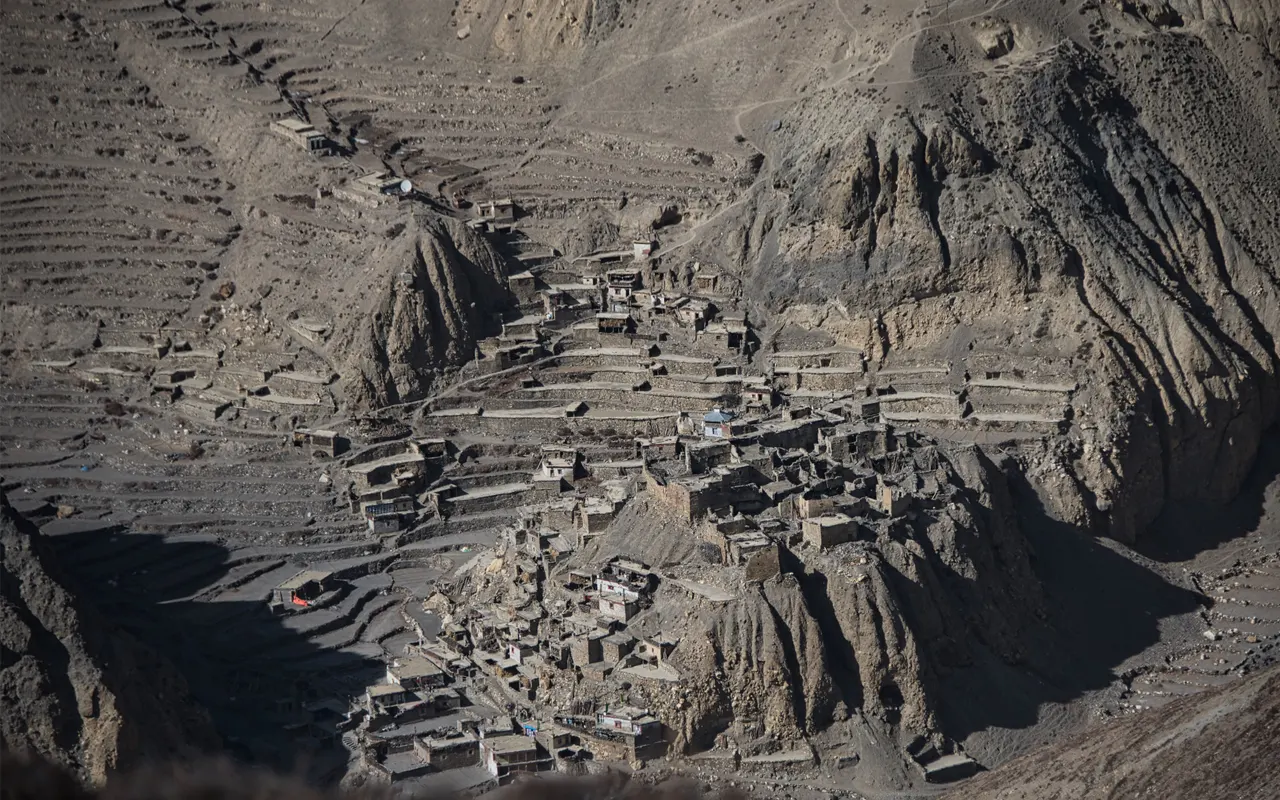
- Visit remote villages of Nar and Phu where the Himalayan culture is preserved.
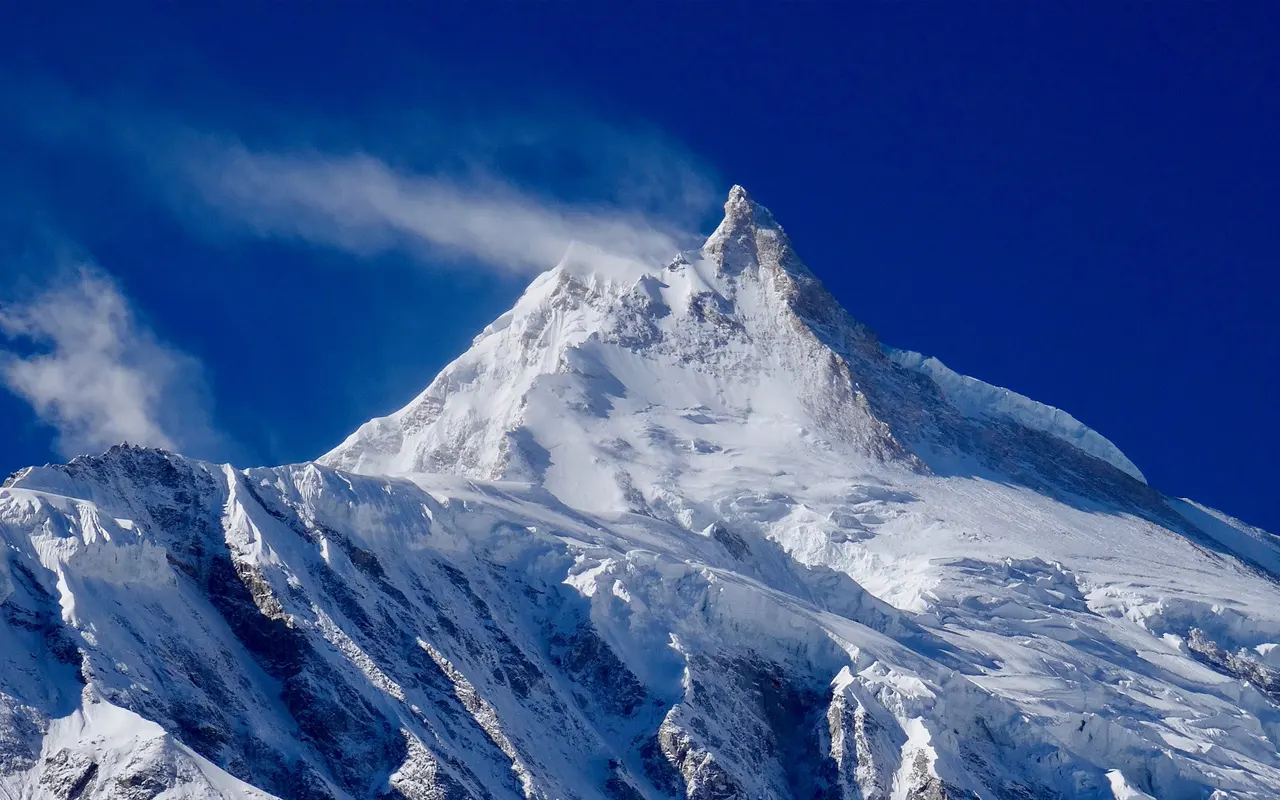
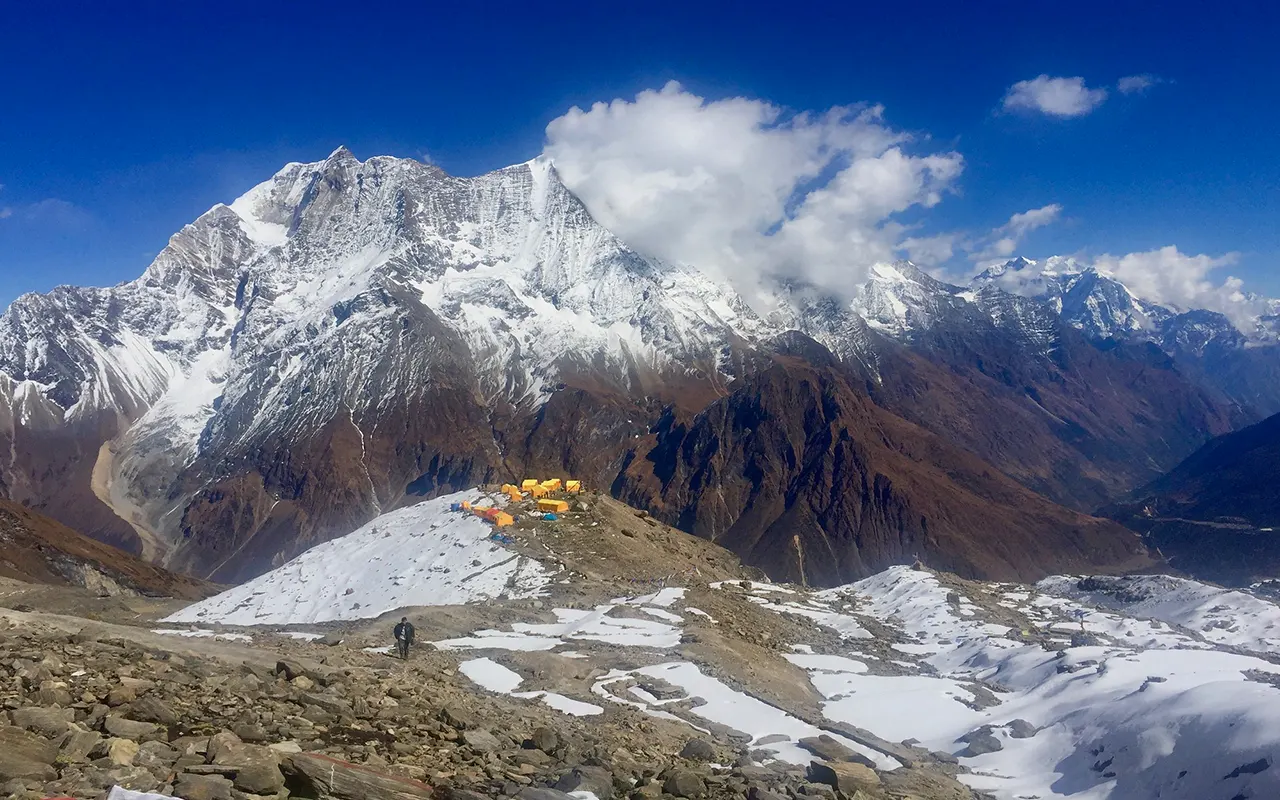
- Take the Kang La Pass (5,240m) with a panoramic view of the mountains.
- See the UNESCO World Heritage Sites in Kathmandu before the trek.
- Trek on less-travelled paths
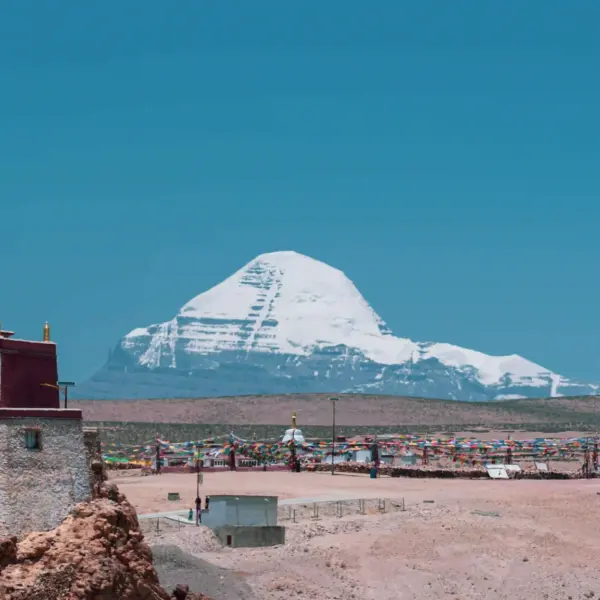
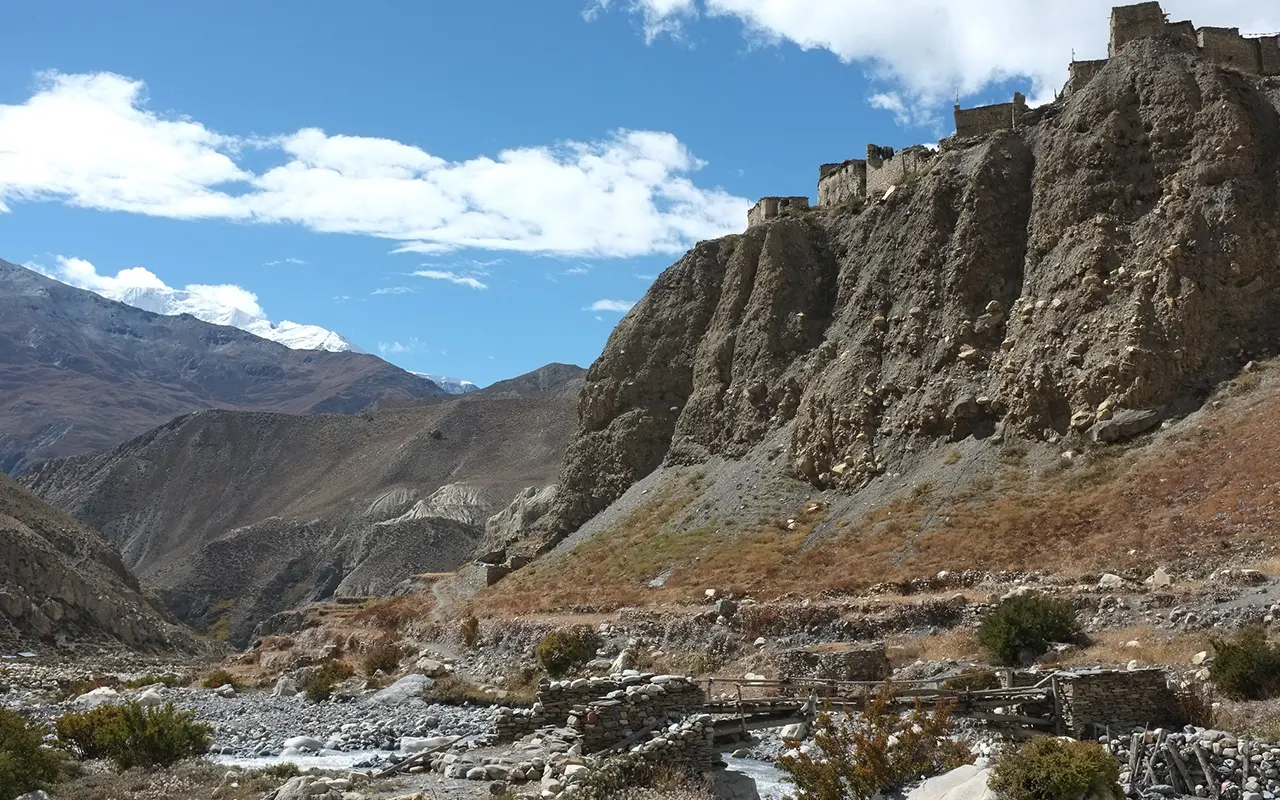
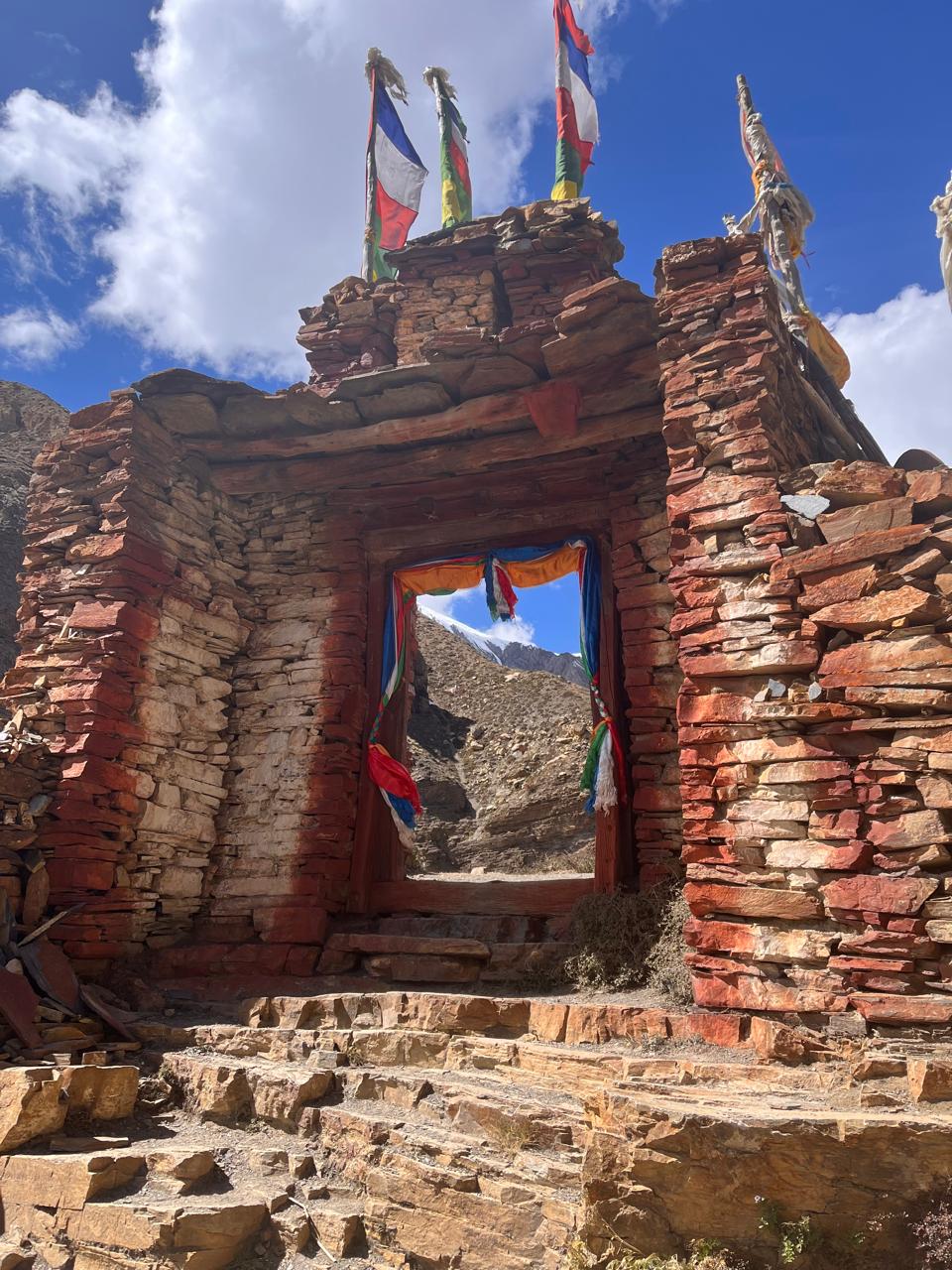
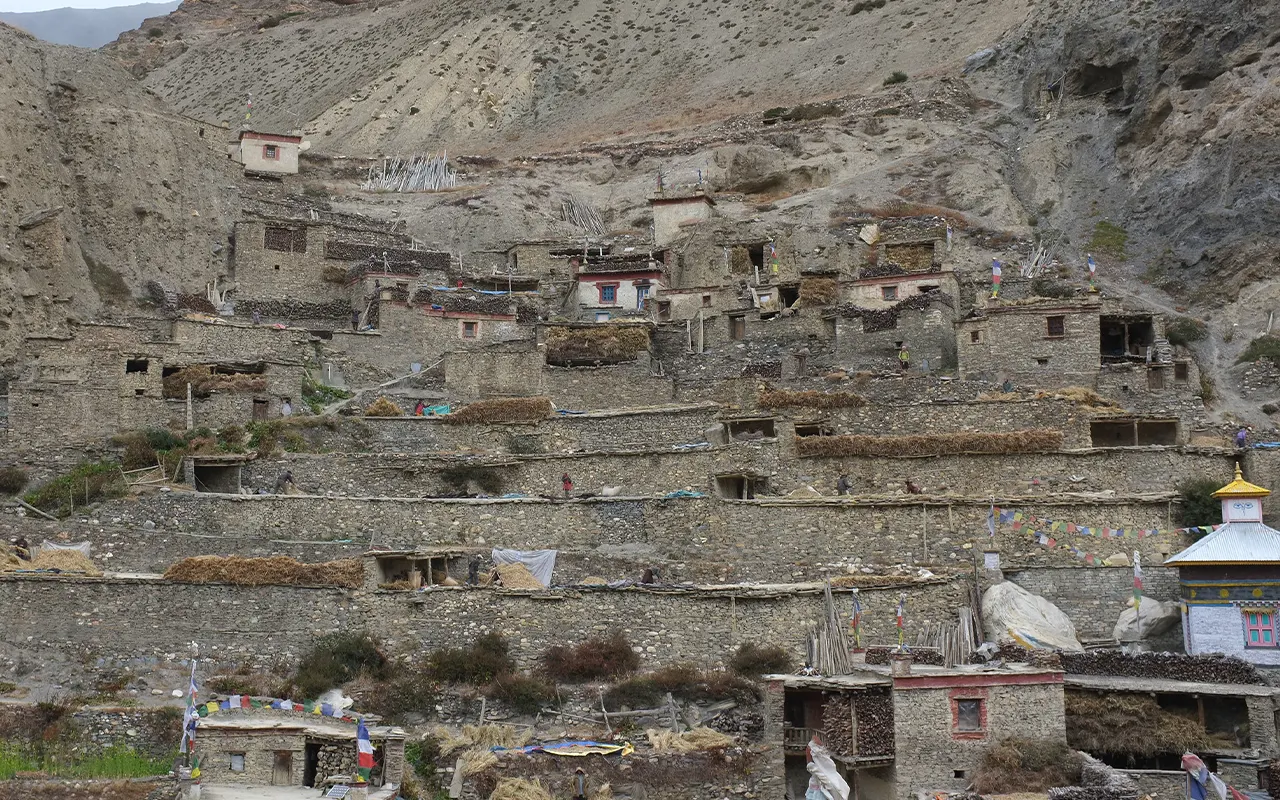
- Discover monasteries, stone villages and local customs inspired by Tibet.
- Enjoy a varied journey with road travel, trekking, cultural exploration, and mountain crossings
- Experience organized support and local knowledge with My Everest Trip.
Nar Phu Valley Trek – 12 Days Overview
The Nar Phu Valley Trek is a remote trek in Nepal that lets you explore mountain passes, traditional villages, and rarely visited high Himalayan regions. The journey combines scenic road travel, gradual trekking days, cultural exploration, and a crossing of a high mountain pass.
The tour starts with airport pick-up in Kathmandu, a hotel transfer, and a day of sightseeing. Afterward, the trip continues with a drive to Kota, where the trekking route begins. From here, the trail gradually enters a more isolated mountain environment with varied terrain, narrow valleys, suspension bridges, and traditional stone villages. My Everest Trip carefully plans its itinerary to ensure a smooth, well-organized experience for trekkers visiting this region.
The trek passes through the village of Meta and finally reaches Phu, a culturally significant village that preserves a mountain lifestyle and Tibetan influences. A dedicated Phu exploration day helps with altitude adjustment, allowing travelers to explore the local area at their own pace.
The trek then continues toward Nar Phedi and Nar Village, another traditional settlement in the region. Crossing Kang La Pass (5240m) to connect the Nar Phu area with the Annapurna trail network is one of the most important aspects of the journey. From the pass onward, the trail descends to Ngawal, then continues to Pisang, and you can take a road to Dharapani or Besisahar, depending on your transportation.
The Nar Phu Valley Trek Nepal route suits active trekkers with good physical fitness and some high-elevation experience. The 12-Day Nar Phu Valley Trek offers a well-rounded mix of culture, trekking, and remote trail experiences in a reasonable amount of time.
Why Choose Nar Phu Valley Trek?
The Nar Phu Valley Trek is a good option for those seeking quieter trekking routes in Nepal. This walk is quieter than more popular mountain routes, with fewer people on the trail.
Many visitors choose this trek for its cultural richness. The villages of Phu and Nar boast a strong Tibetan cultural presence, evident in their architecture, monasteries, customs, and daily life. This creates a truly unique trekking experience.
Another advantage is the variety of experiences included within a shorter itinerary. The trip includes a high-mountain pass crossing, remote trekking trails, traditional settlements, a road trip through mountainous terrain, and sightseeing in Kathmandu. This keeps the journey interesting without making it a very long holiday.
The Nar Phu Valley Trek is also suitable for those who want a more adventurous trek while still following a structured itinerary. A few sections of the trail are difficult and involve high-altitude walking, but the itinerary is designed to be manageable for those who prepare well.
This tour offers an alternative to more commercial trekking routes in the Annapurna region, with unique scenery, mountain culture, and quieter areas for travelers.
Nar Phu Valley Trek – 12 Days Itinerary
Day 01: Kathmandu (1,300m) Hotel Transfer
Day 1: Kathmandu (1,300m) Hotel Transfer
When you land at Tribhuvan International Airport, we will welcome you and take you to your hotel in Kathmandu. We keep the first day comfortable so you can rest after the journey and adapt to the new environment at your own pace.
You can either rest at the hotel or take a walk in the neighborhood, depending on your arrival time. We will also hold a short trip briefing to cover permits, packing, and key information about the Nar Phu Valley Trek. You will stay overnight in Kathmandu.

Hotel

Airport transfer only

1,300 m / 4,265 ft

30–45 minutes
Day 02: UNESCO World Heritage Sightseeing in Kathmandu
Today is a day of cultural discovery in Kathmandu before heading into the mountains. With your guide, we’ll also visit some UNESCO World Heritage sites, including Pashupatinath Temple, Boudhanath Stupa, and Kathmandu Durbar Square.
It offers a relaxing introduction to Nepal’s history, religion, and everyday life, and gives you more time to prepare for the trekking adventure that follows. My Everest Trip will help with final trip preparation and evening document verification for restricted-area permits for the Nar Phu Valley Trek Nepal route.

Breakfast
Hotel
Sightseeing by vehicle
1,400 m / 4,593 ft
5–6 hours
Day 03: Drive from Kathmandu to Koto (2,600m)
This morning we start our ground journey from Kathmandu to Koto, the trek’s entry point. It is a long, interesting drive with scenery that changes with the terrain, including terraced hills, flowing rivers, mountain roads, and small settlements along the way. We will also take appropriate meals, refreshments, and short breaks along the way.
Travel time may vary depending on road conditions and traffic. The environment becomes significantly calmer and more alpine by the time we get to Koto, the effective start of the Nar Phu Valley Trek. We will stay overnight in a local teahouse.
Breakfast, Lunch, Dinner
Teahouse
Approx. 220–230 km
2,600 m / 8,530 ft
10–12 hourstrek
Day 04: Trek from Koto to Meta (3,560m)
Today, we will officially start trekking after checking in at the entrance to the restricted Nar Phu region. The path traverses wooded areas, suspension bridges, narrow canyons, and rocky mountain trails along the river valley. The ascent is slow yet steady, so we will move at a comfortable pace, with breaks as needed.
As the day progresses, the landscape becomes drier and more open, giving a clear sense of the distance. This is part of the 12 Days Nar Phu Valley Trek, which makes the trip feel even more silent. Overnight stay will be in Meta.
Breakfast, Lunch, Dinner
Teahouse
Approx. 14–16 km
3,560 m / 11,680 ft
7–8 hours
Day 05: Trek from Meta to Phu Valley (4,080m)
The trip goes deeper into the isolated, mountainous country as we head to Phu Valley. Today’s route follows an open road through rocky streams, with small huts here and there where local herders shelter during certain seasons. We will walk steadily as the altitude increases to make the day more comfortable and support proper acclimatization.
Reaching Phu is also a significant section of the Nar Phu Valley Trek because this traditional village has retained its own mountain culture and local lifestyle. Upon arrival, we can relax and get used to the village’s quiet.
Breakfast, Lunch, Dinner
Teahouse
Approx. 14–16 km
4,080 m / 13,386 ft
6–8 hours
Day 06: Exploration Day in Phu (4,080m)
Today is reserved for acclimatization and local exploration in Phu, which is an important part of adjusting to the increasing altitude. Rather than climb higher, we will take a slow day to learn more about the village and its surroundings.
Depending on time and circumstances, you can visit local viewpoints, observe daily life, and visit cultural sites, including monasteries. This additional day will also prepare your body for the elevated portions ahead. This day is practical and pleasant, since the Nar Phu Valley Trek is best enjoyed with proper acclimatization.
Breakfast, Lunch, Dinner
Teahouse
Short exploration walk
4,300 m / 14,108 ft
3–4 hours
Day 07: Trek from Phu to Nar Phedi (3,490m)
We will then descend toward Nar Phedi via the same trail through the remote valley, after spending time in Phu. Despite the downward grade, the path still has rocky sections, uneven ground, and slow moments that require steady footing. The shifting scenery offers a different interpretation of the landscape than the climb.
Nar Phedi is associated with a serene environment and monastery grounds and, as such, is a peaceful overnight stop before moving on to Nar Village. The current path maintains the pace and is gearing up for the next phase of the Nar Phu Valley Trek in Nepal.
Breakfast, Lunch, Dinner
Teahouse
Approx. 13–15 km
4,080 m / 13,386 ft
5–6 hours
Day 08: Trek from Nar Phedi to Nar Village (4,110m)
The walk today is not long, but a gradual ascent to Nar Village. Leaving Nar Phedi behind, we will follow the uphill trail through rugged mountain terrain as the surroundings gradually open into a wider alpine landscape. With the altitude rising again, constant walking speed is significant during the day.
One of the cultural highlights in the region is Nar Village with its traditional stone houses and conserved local way of life. You will rest and have an opportunity to explore the settlement on arrival. It is a calmer section of the Nar Phu Valley Trek and has a much different feel than the more crowded trekking trails of Nepal.
Breakfast, Lunch, Dinner
Teahouse
Approx. 8–10 km
4,110 m / 13,484 ft
4–5 hours
Day 09: Nar Village to Ngawal via Kang La Pass (5,240m)
This is one of the most demanding and important days of the journey. We will start early to cross Kang La Pass, the trek’s highest point, at 5,240 meters. The climb is physically demanding and must be taken step by step, with hydration.
Once across the pass, the road leads down to Ngawal, joining the Annapurna trail network. Weather may affect the day’s pace, so flexibility is a plus. A successful Kang La crossing is a significant achievement on the 12 Days Nar Phu Valley Trek, offering a powerful sense of accomplishment on this remote mountain pass.
Breakfast, Lunch, dinner
Teahouse
Approx. 15–17 km
5,240 m / 17,192 ft
8–11 hours
Day 10: Trek to Pisang and Drive to Dharapani or Besisahar (2,493m)
Today begins with a comparatively easier descent from Ngawal to Pisang along the established Annapurna Circuit trail. This section of the trail is more connected to the overall trekking network than the more remote parts.
Upon arrival at Pisang, we will continue by jeep to Besisahar, marking the end of the trekking portion of the journey. This marks the end of the trekking part. At the end of the day, we will be resting at a significantly lower altitude after completing the main part of the Nar Phu Valley Trek.
Breakfast, Lunch, Dinner
Teahouse
6-8 km walk and drive
3,680 m / 12,073 ft
6–8 hours total
Day 11: Drive Back to Kathmandu
Today we begin our drive back to Kathmandu after completing the trekking portion of the journey. The total driving time can be different depending on the last over-night at Dharapani or Besisahar. The mountain settlements, river valleys, terraced farm land and the highway sections all present on the road trip as you slowly readjust to the city life.
During the drive, we will do appropriate meal, refreshments and short stops to make you comfortable. On arrival to Kathmandu, you will be taken to your hotel, where you will rest, have a warm shower, or do whatever you want to do with your free time after the Nar Phu Valley Trek.
Breakfast, Lunch
Hotel
Approx. 175–180 km
2,493 m / 8,179 ft
6–8 hours
Day 12: Departure from Nepal
Today is the end of your Nar Phu Valley Trek Nepal trip. Depending on your international flight schedule, we will arrange a transfer from the hotel to Tribhuvan International Airport. You can spend some leisure time, either relaxing in the morning before you leave, doing some last-minute shopping, or relaxing at the hotel.
Our team at My Everest Trip will ensure your departure arrangements go smoothly. We hope you have significant travel memories and a better understanding of the mountain culture in Nepal after this 12-day Nar Phu Valley Trek.
Breakfast
Hotel to airport transfer
1,300 m / 4,265 ft
30–45 minutes
What To Expect?
What's Included
- Airport pickup and drop-off
- Kathmandu sightseeing transportation for the UNESCO World Heritage tour
- Private ground transportation between Kathmandu and the trekking region as per itinerary
- Teahouse accommodation during the trek
- Hotel accommodation in Kathmandu with breakfast
- Three meals a day during the trek: breakfast, lunch, and dinner
- Experienced trekking guide
- Porter service on the trek, with one porter shared between two trekkers
- All required trekking permits, including Nar Phu Restricted Area Permit and ACAP
- Guide and porter expenses, including salary, meals, accommodation, and insurance
- Basic first aid assistance during the trek
What's Excluded
- International airfare
- Nepal entry visa fee
- Travel insurance for trekking
- Lunch and dinner in Kathmandu
- Personal expenses such as drinks, snacks, hot showers, WiFi, and battery charging
- Personal trekking gear and equipment
- Tips for the guide and porter
- Extra costs caused by delays due to weather, road conditions, or other unexpected situations

Tripadvisor Reviews








Google Reviews


Nar Phu Valley Trek – 12 Days Additional Information
Nar Phu Valley Trek Difficulty, Challenges and Trail Conditions
The trip is rated as moderately to challenging and is best suited for trekkers with strong physical fitness and the ability to walk for multiple days at high altitude in remote mountain conditions. The Nar Phu Valley Trek contains rough paths and rocky mountain trails, suspension bridges and gradual to steep ascents as the trail ascends to the higher levels.
No technical climbing skills are necessary, but good stamina, and some walking preparation would be beneficial. Certain days might be physically exhausting, especially due to the combination of altitude, lengthy trekking hours, and remote conditions.
Trekkers visiting this restricted area must look forward to fewer services and simpler facilities than those available in the more established trekking routes in Nepal. During colder weather or when trails are wet after a precipitation some sections might be more difficult.
It is possible to have a consistent pace, hydrate, and listen to guide advice so that the journey is not so difficult. When the Nar Phu Valley Trek Nepal is planned with realistic preparation and patience, usually, the route will be completed successfully by the travelers.
Best Time to Visit and Weather Throughout the Year
The trekking experience is heavily dependent on weather conditions, particularly in the higher mountainous regions where weather can vary rapidly. Generally, spring and autumn are the most appropriate seasons since the weather is much more comfortable, and trail conditions tend to be more predictable.
The Nar Phu Valley Trek is a popular among many travelers in the spring months of between March and May when the weather is generally mild and walking is pleasant. Another favorite season is autumn (September-November) when the skies are clearer, and the trails tend to be drier.
Winter trekking can be done though the weather is colder and snow can be present along the Kang La Pass making the task more challenging. The monsoon, June to August is not good since it can leave muddy tracks, transport inconveniences and low visibility. Individuals planning the 12 Days Nar Phu Valley Trek must keep their plans loose because the weather in the mountains can change at any time even in seasons when the trekking is favorable.
Food and Drink on the Nar Phu Valley Trek
The food available on this route is simple, filling, and suitable for supporting long trekking days in the mountains. Local teahouses typically offer food like dal bhat, noodles, fried rice, soup, potatoes, eggs, porridge, pancakes, and bread. The variety, as you pass up into higher and more remote settlements, is necessarily reduced since supplies are ferried down out of the lowlands. The meals provided to the travelers on Nar Phu Valley Trek are generally sufficient to sustain them throughout the day of trekking.
The availability of safe drinking water is also a significant component of remaining healthy throughout the trip, particularly at elevation. Most overnight stops will have hot drinks like tea, coffee, ginger tea and lemon tea. Instead of the untreated water sources, boiled or purified water is usually the safer source.
Participants in Nar Phu Valley Trek Nepal have been known to experience increased levels of comfort when they eat smaller meals, and frequently hydrate themselves, on the days of higher altitude climbing.
Transportation and Accommodation on the Nar Phu Valley Trek
The trip incorporates airport shuttle, urban stay, extensive overland transportation, and plain mountain lodgings in the entire trekking procedure. The trip starts in Kathmandu with hotel stay and local transportation and then the journey to Koto, starting point of the trekking trail.
Travel by road in the mountainous areas can be lengthy and the conditions can also differ according to the season and the availability of the route. The Nar Phu Valley Trek provides a moderate combination of cultural urban exploration and mountain wilderness motion to many travelers.
The trek is also accommodated in local teahouses or basic lodges where the trekkers can have a basic but useful accommodation. Twin-sharing rooms are typical, and communal eating areas where meals are taken in a cozy communal style. The more remote trekking areas are characterized by villages, which tend to be less comfortable than lower ones. Those joining the 12 Days Nar Phu Valley Trek should expect authentic mountain accommodation focused more on practicality and hospitality than luxury services.
Altitude, Acclimatisation and Risk For Altitude Sickness
As this path ascent is up to 5,240 meters at Kang La Pass, an awareness of the altitude is needed during the trip. With rising altitude, the altitude might cause minor symptoms that include headache, fatigue, insomnia, or loss of appetite in some of the travelers. Pacing is also a major factor to consider, more so on days that entail a lot of altitude gain. The Nar Phu Valley Trek has been gradual in progression, making the body to adapt more easily and then transition to the higher mountain areas.
A day of acclimatization in Phu is added to help in safer acclimatization prior to the pass crossing. Consuming sufficient amounts of water, eating well and reporting to your guide in case you have any signs are some of the measures to take in the trek.
When the discomfort is more severe, the best thing to do is always to go down to a lower altitude. Anyone planning to undertake the Nar Phu Valley Trek Nepal must realize that one of the most significant aspects of accomplishing the route is careful management of altitude.
Required Level of Fitness and Trek Preparation Tips
Physical fitness will make this trek a lot more comfortable, particularly as the trail will consist of several long walking days at rising elevation. The high-altitude trekking experience that you had previously would be beneficial but not a necessity provided that you prepare in advance. Several walks, climbing stairs, gentle hiking, jogging, or bicycling in the pre-departure weeks can enhance endurance and leg health. Endurance training will pay off as travelers who plan Nar Phu Valley Trek will not be obsessed with speed or intensity.
Practical preparation also involves more than just physical fitness. Trekking shoes are to be properly broken in prior to arrival to prevent any inconvenience on long walking days. A light practice trek with a daypack can also help you become familiar with trekking movement and carrying essentials. The people who take part in the 12 Days Nar Phu Valley Trek usually learn that patience, constant walking pace and positive attitude are equally crucial as the physical training during the trip.
Permits and Entry Fees and Nepal Visa Information
This trek takes place in a restricted region, so certain permits are required before starting the journey. Nar Phu requires a Restricted Area Permit, and an Annapurna Conservation Area Permit (ACAP), since Nar Phu is located within the Annapurna protected area.
Such permits are inspected at official entry points during the trek hence they have to be obtained in advance through an approved trekking company. Any individual who is to take part in Nar Phu Valley Trek must make sure to have passport information and other necessary papers ready in advance.
Most travelers are provided with Nepal tourist visa upon arrival at Tribhuvan International Airport or by pre-applicants before travel via the internet. The cost of visas can vary over time, and it is always best to verify the most current official sources before traveling. Tourists who reserve the 12 Days Nar Phu Valley Trek tend to select a visa that will last more than the trip in Nepal to allow them the flexibility of spending more time in Nepal before or after the trek.
Health, Safety and Emergency Support
Health and safety are also crucial in the journey, particularly since the route traverses remote mountainous areas with a few facilities. Guides are also trained to help watch out in the overall conditions of the trekking and help with routine issues like fatigue, slight discomfort caused by high altitude, or simple first aid.
Personal care is also important, including adequate hydration, regular meals, staying warm, and maintaining proper hygiene during the trek. Travelers on the Nar Phu Valley Trek benefit greatly from walking responsibly and communicating openly if they feel unwell.
Certain sections of the trail may be rocky, steep or slippery depending on the weather and so, it is always good to walk very carefully. Emergency evacuation assistance can be required in extreme cases of severe illness or trauma, though it may take some time to reach remote areas.
Planners of Nar Phu Valley Trek Nepal ought to have good insurance and they ought to know that risks can be minimized in the trip through prevention, pacing and communication with the guide.
Travel Insurance and Coverage for the Nar Phu Valley Trek
This trip is highly advised to be covered by travel insurance since the trek is high altitude and travels through isolated mountainous areas where emergency care is very expensive. An appropriate insurance must cover high altitude trekking, medical care and emergency helicopter evacuation in case of need. Surprising travel delays or illness may occur in mountainous terrain, hence adequate covering will be a sensible peace of mind. Before traveling to Nar Phu Valley Trek, travelers ought to look through their policy to ensure that they are covered to the extent of trekking activities.
Other insurance options that include baggage loss, trip cancellation, or even travel interruption might also be beneficial depending on personal traveling plans. Insurance details can be stored in both digital and hard copy to be easily accessed in case of need. Individuals participating in the 12 Days Nar Phu Valley Trek are also supposed to submit insurance details to the trekking firm they are visiting to enable them to be taken care of more effectively in case of an emergency.
Mobile Network, Internet and Charging Facilities
Connection is possible in certain areas along the route, but the further the trek goes into remote mountainous regions, the less reliable the signal quality becomes. The general settlement pattern is that the lower settlements usually have a good mobile network connection whereas higher villages might have poor connection or no connection during specific times.
Others offer Wi-Fi services at an additional fee though the speed and reliability may fluctuate depending on the weather and local infrastructure. Those who visit the Nar Phu Valley Trek must not anticipate continuous connectivity but intermittent internet connectivity.
Electrical charging points are also present in most teahouses; however, other charges might be paid, particularly in more expensive stops at night where the electricity supply is restricted. A power bank is convenient to carry phones, cameras, or other small gadgets and keep them charged on longer days of trekking.
The Nar Phu Valley Trek Nepal usually comes with a local SIM card that has some signal where it is possible, but it is also a good idea to always plan to have no communication during the most remote parts.
Nar Phu Valley Trek Language, Culture and Expected Behaviour
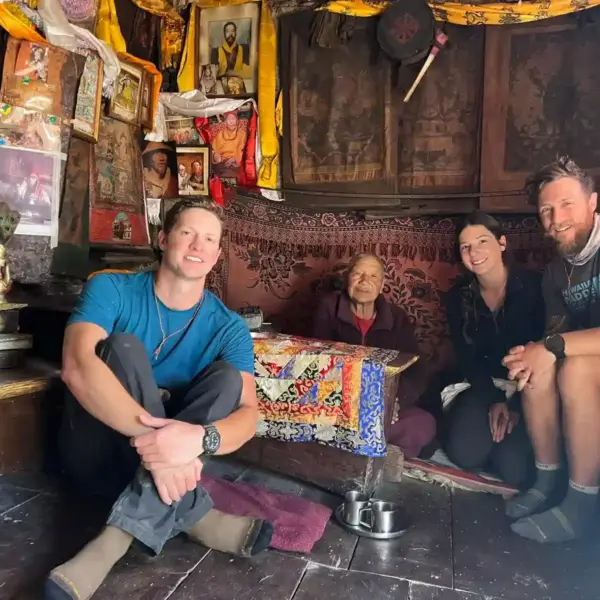
This adventure is not only mountain trekking, but also an insightful experience into the local culture in the remote Himalayan villages. The Nar and Phu people are highly influenced by Tibetan culture, evident in architecture, monasteries, prayer buildings, clothing and day-to-day traditions.
Respectful interaction with local communities helps create a more positive travel experience for both visitors and residents. Even simple gestures like greeting locals courteously and being patient are always welcome during the Nar Phu Valley Trek.
Tourists must also dress respectfully in villages, seek permission before taking close shots of individuals and be respectful around places of worship. Depending on the local customs, shoes might have to be taken off prior to accessing some indoor areas.
Planners of the Nar Phu Valley Trek Nepal must keep in mind that cultural awareness is as important as physical preparation, particularly when traveling to a traditional community that still upholds the way of life that has existed since time immemorial.
Nar Phu Valley Trek Photography Tips and Drone Regulations
There are numerous prospects of good travel photography on this path, be it the old villages and mountain scenery, monasteries and the daily living of the locals. Outdoor photography can be better adapted to the mountain areas with the natural light found in the early morning and late afternoon, which is often softer.
The weather may shift rapidly and it is always a good idea to ensure that the cameras are not exposed to cold, dust or moisture. Visitors on the Nar Phu Valley Trek usually discover that the most memorable photographs are generated by simple cultural and landscape experiences and not necessarily the high mountain perspectives.
The use of drones in Nepal is controlled, and the permission might have to be obtained based on the place and the reason of the use. It is not correct to fly drones around settlements, monasteries, or protected properties or local communities without permission. It is recommended that prior to traveling to the Nar Phu Valley Trek, travelers confirm the existing drone policies and regulations, as well as observe privacy, local traditions, and environmental factors at all times when taking photographs on the trip.
Extra Expenses on the Nar Phu Valley Trek
Although the major trekking arrangements are typically included in the package, the travelers also need to make a personal budget to meet minor daily expenditures in the course of the journey. Hot beverages, snacks, charging gadgets, hot shower, wireless internet, and bottled or treated drinking water can be common additional expenses.
There is a general rise in prices at higher levels since supplies have to be carried into areas that are remote. In the Nar Phu Valley Trek, it is essential to bring sufficient Nepali cash as there are no ATMs on the trekking path.
The amount of personal spending is diverse and therefore the level will depend on the preferences of the individual and comfort requirements. Other travelers even budget on minor personal purchases or even occasional additional refreshments on rest stops. Guide and porter tips are also a standard form of appreciation that should be taken into consideration by those who will venture into Nar Phu Valley Trek Nepal, but tipping is not mandatory and is rather a personal choice.
Nar Phu Valley Trek Side Trips Around the Region
This itinerary is designed as a focused journey through the Nar Phu region, but travelers with extra time may consider extending their experience with nearby trekking options. As the route links the Annapurna trekking network beyond Kang La Pass, there are possibilities to proceed to other areas rather than going back to the same route.
Others like to go on a slow walk on related trails during additional days of their travel. The Nar Phu Valley Trek may thus be integrated into a larger trekking experience to those who have more lenient traveling plans.
The changes of optional routes must always be made in advance as additional permits, accommodation, or other logistics can be needed depending upon the extension. The practicality is also determined by weather, physical condition, and available time.
The travelers who may look to extend their trip beyond 12 Days Nar Phu Valley Trek will need to discuss with their trekking operator early on in order to plan the trip safely and realistically.
Trip Extensions After This Trek
Nepal has numerous traveling options to individuals who may want to extend their adventure beyond their mountain trip. Other tourists will want to spend more time at Kathmandu to do cultural sightseeing, local markets or have a more relaxed recovery period before they leave.
Others can make their destinations like Pokhara to relax at the lakeside and do other lighter activities after a few grueling trekking days. The Nar Phu Valley Trek is frequently used to begin a wider Nepal travel experience as opposed to the conclusion of the vacation.
Other trekking areas, wildlife activities or cultural sites might also be explored by the adventure travelers who have more time based on their interests. The most common extensions include Chitwan National Park, Pokhara and other trekking trails that visitors receive to have more variety.
The participants completing the Nar Phu Valley Trek Nepal can make a plan of their future travels depending on their fitness, the time available and the style of the holiday that they are still enjoying.
Tips for First-Time Trekkers in Nepal
With realistic preparation, patience and proper attitude, first-time trekkers can enjoy this ride with ease. Some of the easiest yet the most effective habits during mountain trekking are walking slowly, being hydrated, proper eating and listening to your guide.
Daily walks can also become easier by wearing properly tested trekking boots, and keeping only the bare minimum in your daypack. Those who are doing the Nar Phu Valley Trek as a first-time traveler need to take into consideration consistency and comfort as opposed to trying to walk too fast.
Mental preparation is as essential as physical readiness particularly in distant trekking conditions where facilities are less complex as compared to urban traveling. Normal aspects of the experience are weather variations, simple lodging, and physical exhaustion at times.
First-time participants of the 12 Days Nar Phu Valley Trek who are on their first Himalayan outing tend to enjoy the experience more when they are flexible, positive and take the trek as it is without having any preconceptions.
Nar Phu Valley Trek – 12 Days FAQs
Is the Nar Phu Valley Trek easy?
Yes, physically fit beginners may complete this trek with proper preparation, but prior multi-day trekking experience is highly beneficial due to the altitude, remote terrain, and long trekking days. The course is high, long, isolated and is therefore mentally demanding, and requires mental preparation and guidance.
Do I require prior trekking experience on this trip?
While it helps, trekking experience isn’t required for active travelers who gain their strength. Regular walking and stair training, simple endurance training, can make the trip a lot more comfortable prior to the trip.
How difficult is the Kang La Pass crossing?
One of the most physically challenging parts of the trek is Kang La Pass due to its altitude and lengthy day of trekking. A steady pace, good acclimatization and good weather will make the cross much safer and easier.
Is there an altitude sickness problem with this trek?
Potential problem is that the route will pass over 5000 m, which could cause altitude sickness. Adequate acclimatization, hydration, slow pacing and early communication with your guide can also minimize the risks.
What type of accommodation can be made during the trek?
The lodging is in the local teahouse and simple mountain lodges. The rooms are more likely to be twins and there is little comfort in the higher villages compared to hotels in the city.
Do they have hot showers in the Nar Phu Valley Trek?
Hot showers may be available at some of the overnight stops (usually for a fee). As you get deeper into the high villages then availability is increasingly limited and so flexibility may be useful during the trek.
Will I have the opportunity to charge my phone and camera on the trek?
Most teahouses will take fees for facilities and there may be extra fees at some houses depending on location. A power bank is highly encouraged and particularly in the remote areas of longer distance.
Is the route mobile network or internet?
The mobile phone signal may be available in some of the lower villages or internet connection may be available, but in remote areas the connection is less likely. The occasional communication should be anticipated instead of constant network coverage.
Are permits required for trekking to Nar Phu Valley?
This adventure is subject to a Restricted Area Permit of Nar Phu and an Annapurna Conservation Area Permit (ACAP). These are typically reserved when you book your trek with your trek company before starting the trek.
Is it possible to do Nar Phu Valley Trek without a guide?
The Nar Phu is a limited area of trekking, and so a single trek is not permitted as per the existing regulations. Guide support is mandatory and must be licensed, ensuring safety and route management as well.
What is the highest point on the trek?
The highest peak of this walk is Kang La pass at 5240m. The most physically demanding day of the journey and acclimatization and a gradual speed are very important.
What is the number of hours we walk daily?
The average walking time is 4 to 8 hours a day, depending on the section of the trail, the altitude and trail conditions. Usually, the most difficult and long trekking day is the day of crossing the Kang La Pass.
What is going to be available for vegetarians to eat on the trek?
Along the way there are teahouses that serve well vegetarian food that is readily available and generally the preferred food of trekkers. Common foods include dal bhat, noodles, fried rice, potatoes, soups, eggs, porridge and those based on bread.
Is water readily available along the way?
Water drinking is possible in the teahouse, but it is not recommended to drink untreated water. Most trekkers have boiled water, water purification pills or filters to keep them hydrated while on the trek.
What am I carrying on the Nar Phu Valley Trek?
Items like layers, a warm jacket, trekking boots, gloves, hat, sunglasses, personal medicine, re-usable water bottle and toiletries. Remote mountain conditions are also very conducive with a sleeping bag and power bank.
What is the optimum time to complete this trek?
The standard months are October, November, April and May, when the weather is usually more reliable. These seasons are mostly at a comfortable temperature and are favorable to trekking.
Is airport pick up provided?
For the organized packages, services are also usually included in the package, which include airport pick up and transfer to Kathmandu on arrival at the airport as well, though it may vary according to package structure. It is important to double-check exact services when booking.
Will I be able to continue the journey to Annapurna Circuit?
Yes, there are a considerable number of visitors who choose to trek Nar Phu as a part of a longer Annapurna trekking program as the trail continues on to join with the Annapurna trail system beyond Kang La Pass. The extension planning needs to be planned ahead and using the proper permits, timing, and logistics.
What happens if there is a weather disruption to the schedule?
The weather in the mountains is unpredictable and can interfere with the schedule of transport, trail conditions or crossings of passes. Under these circumstances, the guide can make adjustments in the itinerary to ensure safety and convenient management of travel.
How much money is used for personal expenditure?
Personal costs are based on your habits of spending money, however additional money is suggested on beverages, snacks, hot showers, charging, Wi-Fi, and tips. There are no ATM facilities in the trekking routes so it is necessary to have sufficient Nepali currency.
US$ 1,600 per person
- 24/7 Customer Support
- Experienced and Professional Team
- Hassle-Free and Easy Booking
- 99% Customer Satisfaction
- Fair Prices, Exceptional Service
- No Hidden Costs and Secure Payments
- Tailored and Personalized Itineraries

24 X 7 Live Support

Puru (+977-9851069558)
Related Trips


Recent From Our Blog Places of attractions, travel tips, news and more.

Trek
Best Hiking Places in Kathmandu Valley for Stunning Himalayan Views
Hiking in Kathmandu is a popular activity for those who want a better weekend and…
Read the full post
Blog, Nepal, Trekking in Nepal
Best Season for trekking in Nepal
Are you looking for the best season for trekking in Nepal? If yes, Nepal trekking…
Read the full post
Trekking in Nepal, Uncategorized
Hiking in Nepal: 10 Best Hikes in Nepal with Route Details and Tips
Introduction The Himalayas and the green hills of Nepal have long been the subject of…
Read the full post