



Planning a Himalayan trek in 2027 is a good opportunity to explore Nepal’s mountain landscapes, traditional villages and local culture. The Langtang area is also an ideal destination for those who do not want to embark on a very long trek in the Himalayas. The area provides a satisfying experience within a short distance from Kathmandu which includes forest paths, views of the mountains and Tamang villages.
Langtang Valley Group Joining Trek is for those travellers who wish to trek with other people rather than on a totally private trek. It can be done by individuals, pairs, or small groups and can include meeting other people from other countries and possibly lower the cost per person for guides and other services that are shared. The number of people in each group when they depart and the services available will vary depending on the trekking company and their published schedule.
8 Days Langtang Valley Trekking
Planning a Himalayan trek in 2027 is a good opportunity to explore Nepal's mountain landscapes, traditional villages and local culture. The Langtang…
The trek typically starts from Kathmandu to Syabrubesi and then involves a trek for a few days through the Langtang River valley. The trek spans forests, riverside villages, yak pastures and mountain villages before arriving at the main trekking destination for the area – Kyanjin Gompa. There are also optional treks to Kyanjin Ri and Tserko Ri for broader vistas of the surrounding mountains for some itineraries.
This guide explains the route, expected expenses, permits, accommodation, daily walking distances, preparation, safety and booking considerations for 2027. The purpose of this is to educate travellers about what they are about to experience before booking a seat in a group booking. Prices are based on planning estimates and not on confirmed quotes, so travellers are advised to verify the final package price and inclusions with the trekking operator of their choice before making a booking.
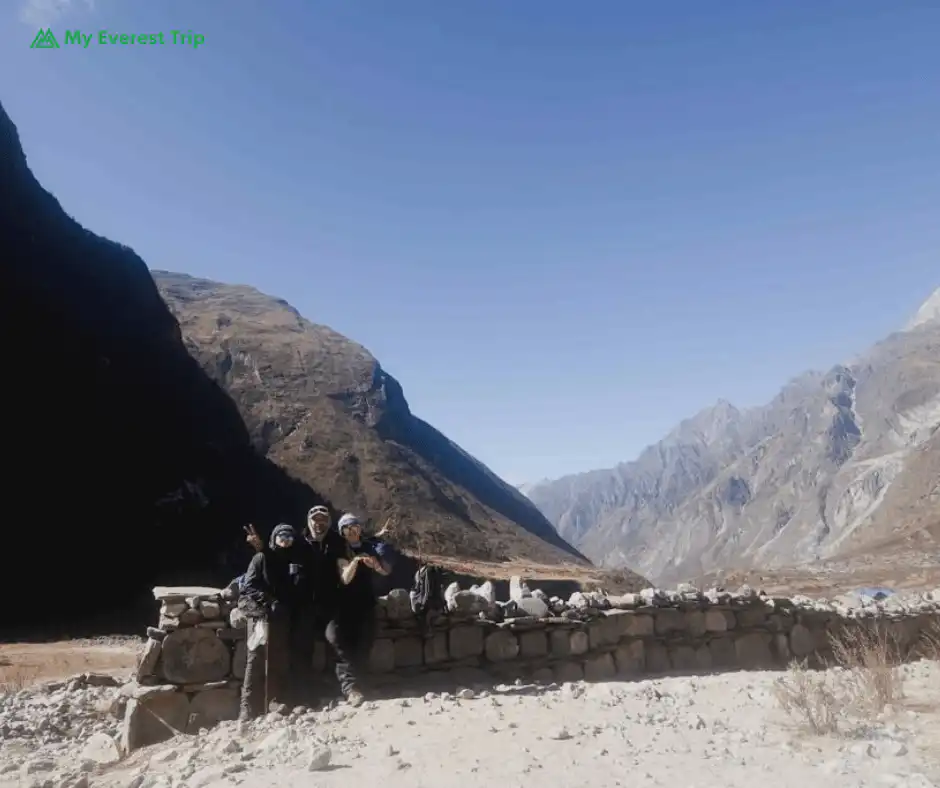
What Is a Group Joining Trek?
A group joining trek is a guided trek where the individual travellers book their places on a scheduled trek and join it. Participants arrange separately for a guide and transportation, but agree to share specific services as outlined in the package.
This is a good way of arranging things in the Langtang area as the main track goes along the same valley from Syabrubesi to Kyanjin Gompa and back. It takes 8 days in total, with road trips from and to Kathmandu.
There are several benefits to a group trip:
- Costs of guiding services and transport may be shared by the participants
- Get to know other trekkers and share the experience
- The route, permits, accommodation and other services that are provided are organised by the trekking company
- A published departure date can be used to plan your holiday
- A licensed trekking guide assists in route planning, local customs and altitude awareness
But being a part of a group does not imply that all expenses are paid or that the cost of the group is the lowest cost for any given private package. Before booking a Langtang Valley Group Joining Trek, verify the minimum group size, guaranteed departure and single supplement.
Important Access Update for 2027
Information checked for this guide on 15 October 2026.
Road access is a priority for travelers in 2027. On 26 August 2026, severe flooding hit the Rasuwa area, damaging roads and bridges around Syabrubesi, where the Langtang Valley trek starts. In early September, The Kathmandu Post reported that the entire area was now isolated from Dhunche due to the damage.
As of the latest reports available for this article, normal road access to Syabrubesi had not been fully restored. Some trekking operators were considering other options, but these should not be taken for granted and should not necessarily be available for all departures.
This does not mean that every 2027 departure will be cancelled. Conditions on the road and local conditions can change before your travel date. The following is the standard itinerary and prices, but in no way a guarantee of timely access.
When making a deposit inquire with your trekking company:
- If the road to Syabrubesi is accessible for the intended vehicle
- Whether the normal trailhead and accommodation stops are open
- If there is an alternative route, is it formally declared safe
- If the route, time, expenses, or travel date has been altered
- What happens if authorities or the operator suspend the trip
Access confirmation is expected to be a part of the booking process and not a last-minute exercise in 2027.
Langtang Valley Trek Highlights
The Langtang Valley trek is a fantastic experience for anyone looking to explore the Himalayas and experience its traditional villages and culture. Let’s take a look at the finest things about the trip:
- Beautiful views of Langtang Lirung and the surrounding peaks of the Himalayas
- Visit Kyanjin Gompa at around 3,870m (12,697 ft)
- Indulge in the culture and welcome of the Tamang people
- Get to know the scenic forests of bamboo, oak and rhododendron
- Tour to Langtang Village to learn the history and recovery of the village
- Hike to Kyanjin Ri at about 4773m (15659 ft) to enjoy views of the mountains
- Take an optional hike to Tserko Ri at about 4,984m (16,352 ft)
- Explore Buddhist monasteries, prayer flags, mani walls and local traditions
- Enjoy traditional Nepali meals and welcoming mountain teahouses
- Go on a trekking experience with others on a guided group trek
Langtang Valley Group Joining Trek Itinerary
This is a typical 8-day tour package from Kathmandu. This comprises time in the acclimatization period at Kyanjin Gompa and also an optional viewpoint hike. The times, overnight stops and route used may be subject to change depending on the conditions and speed of the group.
| Day | Route | Highlights | Duration |
| Day 1 | Kathmandu to Syabrubesi | Scenic drive through hills, rivers and villages. Overnight at approximately 1,460 m (4,790 ft). | 7–9 hours driving |
| Day 2 | Syabrubesi to Lama Hotel | Walk through forests, cross suspension bridges and follow the Langtang River. Overnight at approximately 2,470 m (8,104 ft). | 5–7 hours walking |
| Day 3 | Lama Hotel to Langtang Village | Enjoy forest trails, mountain scenery and local culture. Overnight at approximately 3,430 m (11,253 ft). | 5–7 hours walking |
| Day 4 | Langtang Village to Kyanjin Gompa | Explore alpine landscapes and Buddhist cultural sites. Overnight at approximately 3,870 m (12,697 ft). | 3–5 hours walking |
| Day 5 | Acclimatization at Kyanjin Gompa | Rest or take an optional hike to Kyanjin Ri at approximately 4,773 m (15,659 ft) or Tserko Ri at approximately 4,984 m (16,352 ft). | 3–7 hours walking, depending on the hike |
| Day 6 | Kyanjin Gompa to Lama Hotel | Retrace the trail through Langtang Village and Ghoda Tabela. Overnight at approximately 2,470 m (8,104 ft). | 6–7 hours walking |
| Day 7 | Lama Hotel to Syabrubesi | Descend through forests and riverside trails. Overnight at approximately 1,460 m (4,790 ft). | 4–6 hours walking |
| Day 8 | Syabrubesi to Kathmandu | Return by road to Kathmandu. | 7–9 hours driving |
Note: Elevations and durations are approximate. If you are planning any trips for 2027, please check with your trekking operator to confirm road access to Syabrubesi, trail conditions and the final itinerary, as the usual access route to the area was severely impacted by flooding in 2026.

Langtang Valley Trek Cost 2027
The cost depends on the number of people, transportation, guide service, accommodation, meals, porter service and the number of trekking days. Access repairs will need to be made using alternative transport if necessary, so package prices published in 2026 are a good guideline, but may be adjusted in 2027.
For planning purposes, a standard guided group joining package may cost approximately USD 500 to USD 800 per person under normal access conditions. This is an indicative estimate and not a 2027 confirmed quotation. There is a wide variety of published packages, some of which do not include meals or porter services and others which do include extra logistics.
The estimated 2027 budget per person is $500–$800.
Indicative guided group package, assuming the standard route and normal access arrangements.
Includes essential services in the package: guide, permits, transportation, lodging and meals (as per the operator).
Additional personal budget of approximately USD 150–300 for insurance, tips, snacks, drinks, equipment rental and other personal costs, depending on your needs.
This does not include any of the international flights or Nepal visa fees. This is an estimate and is not a supplier-confirmed price for 2027.
Estimated cost breakdown
| Expense | Indicative cost per person |
| Guided trekking package | USD 500–800 |
| Travel insurance | USD 50–150 |
| Tips for guide and porter | USD 40–100 |
| Personal expenses and trail extras | USD 40–100 |
| Equipment rental, if required | USD 30–100 |
| Estimated total, excluding international flights and visa | USD 660–1,250 |
These figures are budgeting allowances, not fixed tariffs. You may have some of the items in your package, so don’t double-count. The price of insurance will depend on coverage and provider and the type of equipment you already have will determine the rental fee.
Damage to the road in 2026 may impact transportation and the price of the final package. Check the exact quotation for 2027, not assuming that the standard route will be running at the same cost.
What affects the package price?
There are several reasons why one group’s membership can be more costly than another:
- The operator may need minimum numbers of participants to confirm a departure, but a larger group could result in shared costs
- The prices and levels of comfort of public buses, shared jeeps and private vehicles differ
- Hiring a porter adds an expense but reduces the weight you carry
- It is easier to budget a package that covers all meals and housing, as compared to a package that covers only some services
- This could be expanded by adding more nights, acclimatisation days, or other access routes
- During high tourist seasons, the availability of lodges and the cost of transportation may be different
If you are looking at comparing the Langtang Valley Trek Cost 2027, pay attention to the price given and not the package. If there are meals, permits, transport and guide support, then the slightly higher cost could be more worthwhile.
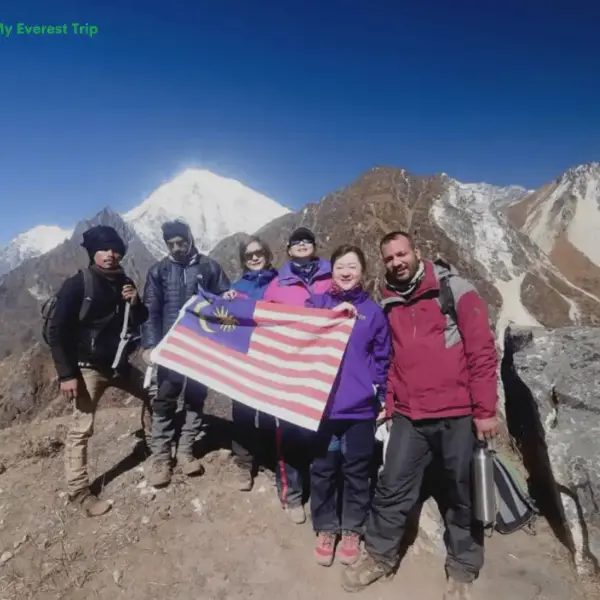
Planning a Himalayan trek in 2027 is a good opportunity to explore Nepal's mountain landscapes, traditional villages and local culture. The Langtang…
Permits and Trekking Requirements
Langtang National Park is traversed by the usual Langtang Valley trek. Foreign visitors are normally required to obtain a national park entry permit and for trekking, it is necessary to have permits from a registered trekking operator.
The Nepal Tourism Board lists the Langtang National Park entry fee as follows.
| Visitor category | Published entry fee |
| Foreign nationals | NPR 3,000 |
| SAARC nationals | NPR 1,500 |
| Nepali citizens | NPR 100 |
These are published rates available when preparing this guide, not a guarantee that fees will remain unchanged throughout 2027.
Depending on the rules in place and what is accepted by the authorities, a TIMS card and other trekking requirements may apply. Confirm the applicable requirements before departure rather than assuming that older online advice remains valid.
Bring your passport and what was requested by the trekking company. Make multiple copies of critical paperwork and inquire about who will take care of permits and whether they will be a part of your package.
Best Time for the Langtang Valley Group Joining Trek
Langtang is most visited during the spring and autumn seasons. Both are opportunities for mountain views, but conditions can change rapidly at higher altitudes.
Spring: March to May
The weather is warmer during the day in spring and the lower forests are filled with flowers, while the trekking weather improves. Higher trails may have snow on them and early spring can be chilly at night.
Autumn: September to November
Fall is a popular time of year, as it’s often clear after the monsoon season. October and November can be good months for mountain views, but weather and trail access must still be checked.
Winter: December to February
Cold nights, snow and more difficult conditions in the higher elevations can be part of the winter. May be appropriate for experienced trekkers who have the proper equipment and a flexible schedule.
Monsoon: June to August
Trails may be muddy, slippery, landslide-prone and low visibility can make trekking more difficult. Take the time to review forecasts and local advisories before making a decision to leave for the summer.
Choosing a season is just one of the choices for 2027. The road and trail conditions after the 2026 floods should also be a factor in the booking date. Always check if the month is traditionally popular or not, as this does not mean there will be access.
Difficulty, Fitness and Acclimatization
The Langtang Valley trek is generally considered moderate to challenging for people with average fitness. Usually, no technical climbing is required on the standard route; however, there is a lot of walking uphill and downhill, uneven ground and several hours of activity daily.
The most important physical challenge is altitude. The Kyanjin Gompa is located at about 3,870 m (12,697 ft), with optional trekking higher into the mountains. Altitude sickness can happen to any and all people, regardless of their fitness level.
To prepare:
- Walk regularly and include uphill routes or stair climbing in your training
- Run multiple days in a row instead of training once a week
- Wear in your trekking boots before you go
- Have a nice daypack and use trekking poles if needed
- Take liquids often and plenty of food during the hike
- Adhere to the pacing and acclimatization guidelines of the guide
Symptoms of altitude sickness include headache, nausea, dizziness, unusual fatigue, or loss of appetite. Notify your guide immediately of any symptoms. If symptoms are worsening, you are unable to walk straight, confused, or breathless when at rest, then rapid medical attention is required and immediate descent. Never continue climbing simply to keep up with the group.
Accommodation, Food and Drinking Water
Routine travel on the main road is normally in teahouses or mountain lodges. Rooms are typically plain with shared bathrooms and often have twin beds. Reliable hot showers, charging and internet are available at an additional cost and may not be available in remote facilities.
The typical menu consists of dal bhat, noodles, rice dishes, soups, potatoes, eggs, porridge and other common foods enjoyed on a trek. The popular choice is dal bhat as it is a source of carbohydrates and is available to be refilled in the lodges that have a food stall.
To safely manage food and water:
- Have frequent meals; bring snacks for longer walk days
- Drink treated, boiled, or filtered water
- Do not presume that water that is clear in the mountains is safe to drink without treatment
- Bring a water bottle and water purification supplies
- Take any special food items that you may not find on the way
Inquire with your operator if meals are included. A package can include breakfast and lunch, or it can include accommodation and breakfast. This difference may make a big difference in your budget.
What to Pack for the Trek
The right gear will make your trip more enjoyable, particularly on colder mornings and at higher viewpoints when the hikes are a little more strenuous. Your exact requirements depend on the season and the latest weather forecast.
| Category | Recommended items |
| Clothing | Moisture-wicking base layers, fleece insulated jacket, waterproof jacket and trousers |
| Footwear | Broken-in trekking boots, warm socks and comfortable camp footwear |
| Equipment | Daypack, trekking poles, headlamp, reusable water bottle and power bank |
| Personal care | Sunscreen, sunglasses, lip balm, basic toiletries and hand sanitizer |
| Health and safety | Personal medication, basic first-aid supplies and blister treatment |
| Documents | Passport insurance details, permit documents and emergency contacts. |
Even during the colder months, a sleeping bag can be useful and may be provided in lodges as well. Inquire with your operator if there is a need for one and if there are rental machines in Kathmandu.
If using the porter, check before packing what luggage you have and how much weight you are allowed. Carry your valuables, critical medicines and paperwork in a personal daypack along with water and warm layers.
What Is Included and Excluded in a Group Joining Package?
The list of the included services varies from one trekking company to another. The following is a list of the services that you must take a look at prior to booking the Langtang Valley Group Joining Trek.
Common inclusions
- English-speaking licensed tour guide
- If required: trekking permits as quoted
- Tea House accommodation in the mountains
- Meals during the trek, if the package is full board
- Ground transportation from Kathmandu and back, subject to confirmed access
- Coordinate group and itinerary
- Staff costs to be used as per the package
Common exclusions
- International flights to and from Nepal
- Visas for entry to Nepal
- Hotel accommodation in Kathmandu unless stated
- Insurance for travel and evacuation in case of emergency
- Food items, soft drinks, bottled water internet and hot showers
- Equipment purchases or rental unless included
- Tips for the guide and porter
The cost of any additional board, lodging or transportation due to delays or change in itinerary, other than the bill of fare, if not specifically provided for by the operator.
Carefully read the written quotation. Inquire if meals are included, permits, staff insurance and emergency arrangements are included. If road closure means that the trip cannot operate, confirm the cancellation policy, minimum group size and terms for refunds.
How to Book a Group Departure for 2027
An early booking can help you plan work, flights, equipment and insurance leave. But during 2027, the choice of the operator should be the first thing to be given priority because it has to be clear about access and safety.
Follow these steps:
- Select the month you’d like to use. Consider spring or autumn, while keeping weather and road conditions in mind
- Request published departure dates. Inquire whether the group is formed or waiting for additional members
- Compare package quotations. Look at services offered, not just the price
- Verify transport/trail access. Request a current update for the exact departure date
- Check insurance coverage. Ensure that your policy addresses trekking at the desired altitude and emergency evacuation
- Check the booking conditions. Be aware of deposits, payment terms and conditions and what to do if the trek is cancelled
- Prepare physically. Start to walk and work out regularly well in advance of the trip
If travelling alone, ask if you can join a group without having to pay for a private departure. Also verify group size, room sharing and whether there is an extra charge to be in a single room.
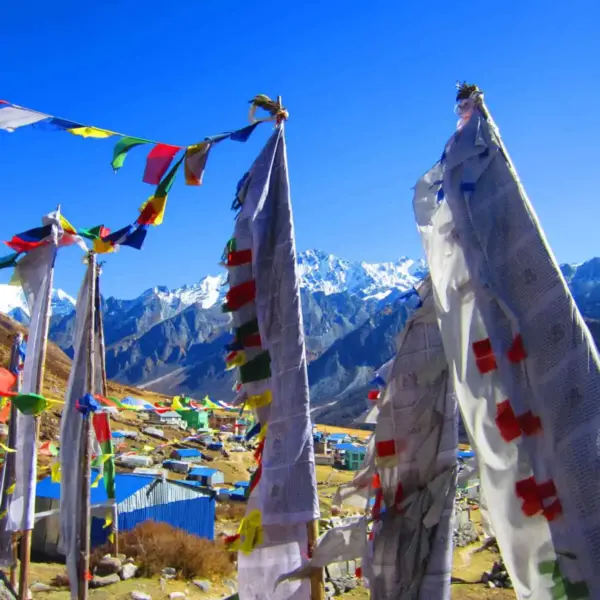
Langtang Gosainkunda Helambu Trek
Planning a Himalayan trek in 2027 is a good opportunity to explore Nepal's mountain landscapes, traditional villages and local culture. The Langtang…
Frequently Asked Questions
How many days does the Langtang Valley trek take?
The typical tour lasts eight days including the road trips back to Kathmandu. If road travel involves significant difficulties or you wish to have more time to acclimatize, a longer trip might be a better idea.
How much does the Langtang Valley Trek cost in 2027?
A preliminary estimate for a guided group joining package is USD 500–800 per person under normal access conditions. Personal expenses insurance and equipment may increase the total to approximately USD 660–1,250, excluding international flights and visa fees. Check the latest quote for 2027 with your operator.
Can solo travelers join a group?
Yes. Solo travellers typically can book on a group tour. Verify that the trip is guaranteed, room sharing and whether any single supplement is applicable.
Is the trek suitable for beginners?
It is suitable for those who are reasonably fit, have prepared adequately and have followed a sensible itinerary. But these long walking days and high altitudes will need preparation. Pilots who are going into high altitudes for the first time should not try to rush and should take the guide’s recommendations.
Do I need a guide?
The journey needs to be planned by a registered trekking operator and the relevant guiding conditions checked before travelling. A licensed guide leads the route and makes the necessary arrangements and assists in monitoring altitude-related issues.
What is the highest point of the trek?
The usual path leads to Kyanjin Gompa (3870 m /12697 ft). The Kyanjin Ri or Tserko Ri viewpoint is about 4,773 m (15,659 ft) and 4,984 m (16,352 ft), respectively.
Are permits included in the package?
They can be added, depending on the operator. Request a list of permits and charges included in the package in writing before payment.
Is the trek available in spring and autumn 2027?
These are the times when trekking is traditionally popular. Availability is contingent on weather, road access, trail conditions and local safety information. Before booking, please verify access routes in particular those impacted by the 2026 floods.
Is travel insurance necessary?
It is highly recommended to have travel insurance. Select a policy that outlines trekking at the planned elevation and evacuation in case of emergency which is available and includes a helicopter evacuation if available.
Can the itinerary change after booking?
Yes. Changes may be necessary due to weather, landslides, road damage, health issues and other unexpected events. Your operator should be able to tell you how he or she handles route changes, additional costs, cancellations and refunds.
Conclusion
The Langtang Valley Group Joining trek is a chance to enjoy Nepal’s high mountain scenery, the traditional culture of the Tamang community and explore the Himalayan landscapes with other groups. It’s a relatively short trip that’s very appealing to those who want a guided trekking experience without undertaking a longer trip.
With 2027 in mind, make an eight-day itinerary, pack for altitude, check the package contents and give yourself a realistic sum for personal spending. The estimated package price of USD 500–800 provides a starting point but it should not be treated as a confirmed departure rate.
For the most part look into the current road access and local safety information prior to making a travel date commitment. The normal approach to the region is not to be taken for granted in the event of the 2026 floods and will only be confirmed once. By following these tips and guidelines, you can make a more informed decision about trekking in Langtang in 2027.