




5 Days


Quick Facts

Ground transportation in Nepal

Hotel, Teahouse

All meals

Guided tour & trek throughout the trip

Autumn, Spring

Moderate

Nepal

4,130 m / 13,550 ft

Pokhara - Jhinu - ABC - Pokhara
US$ 350 per person
-
1 -
peopleUS$ 450
-
2 + people
9999
US$ 350
- 24/7 Customer Support
- Experienced and Professional Team
- Hassle-Free and Easy Booking
- 99% Customer Satisfaction
- Fair Prices, Exceptional Service
- No Hidden Costs and Secure Payments
- Tailored and Personalized Itineraries

24 X 7 Live Support

Puru (+977-9851069558)


Major Highlights Of Annapurna Base Camp Trek 5 days Itinerary
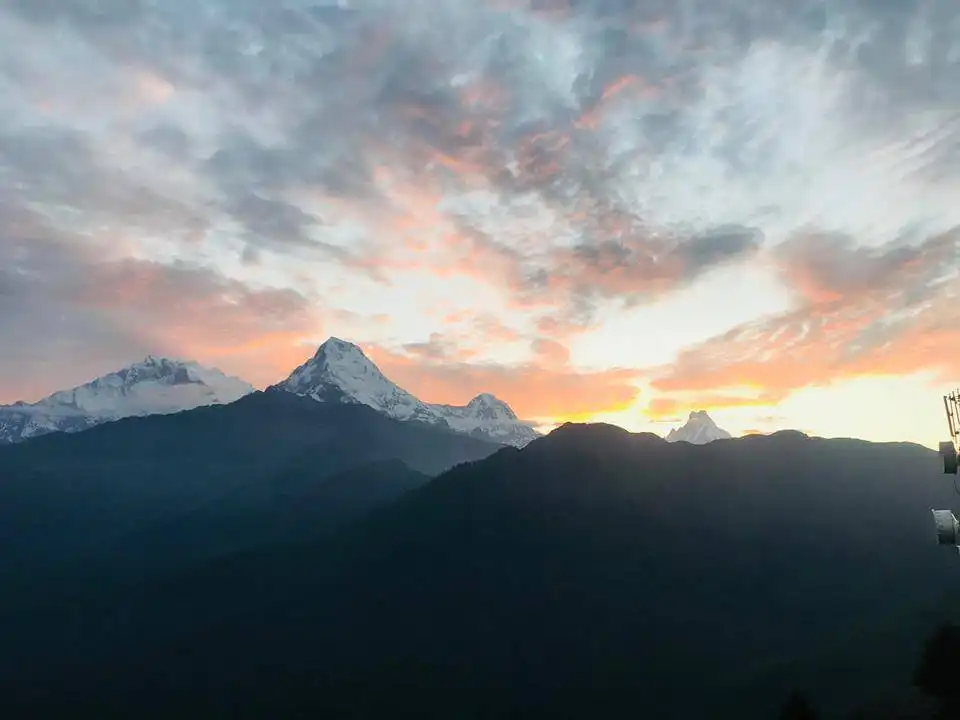
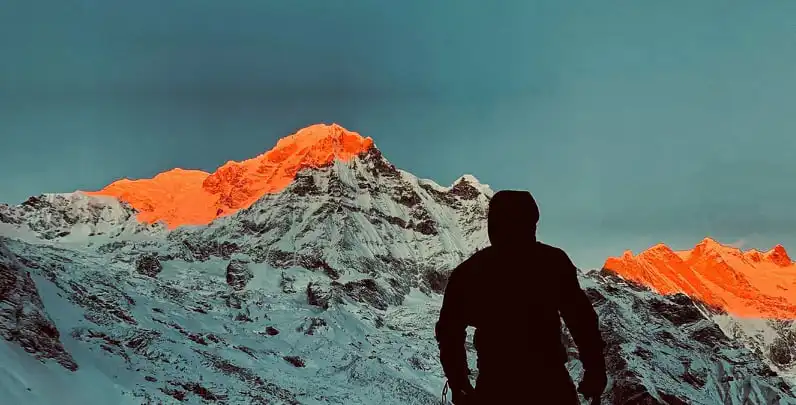
Trek to Annapurna Base Camp, where every step offers Himalayan views, a unique adventure, and a memorable journey. The adventure lets you challenge yourself, find your inner strength, and stand at a dream destination.
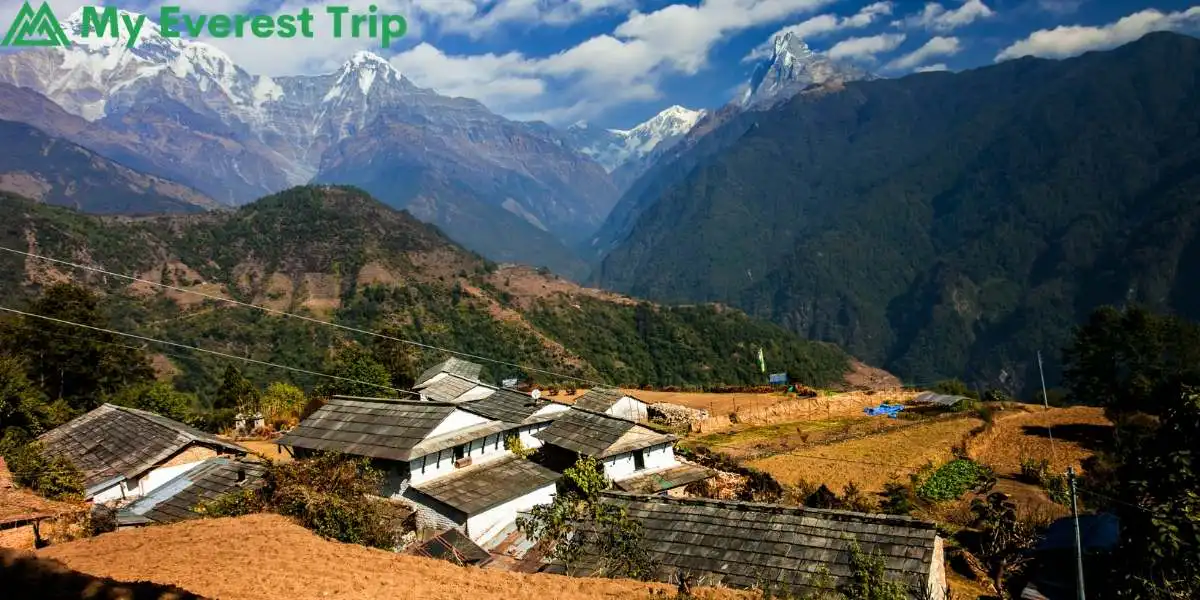
- Visit Gurung villages and meet with local Gurungs.
- Experience the changing landscape from forests to high mountain valleys.
- Cross over the fast-flowing Modi Khola by long bridges
- Visit Annapurna Base Camp (4,130m/13,550ft) surrounded by other beautiful mountains
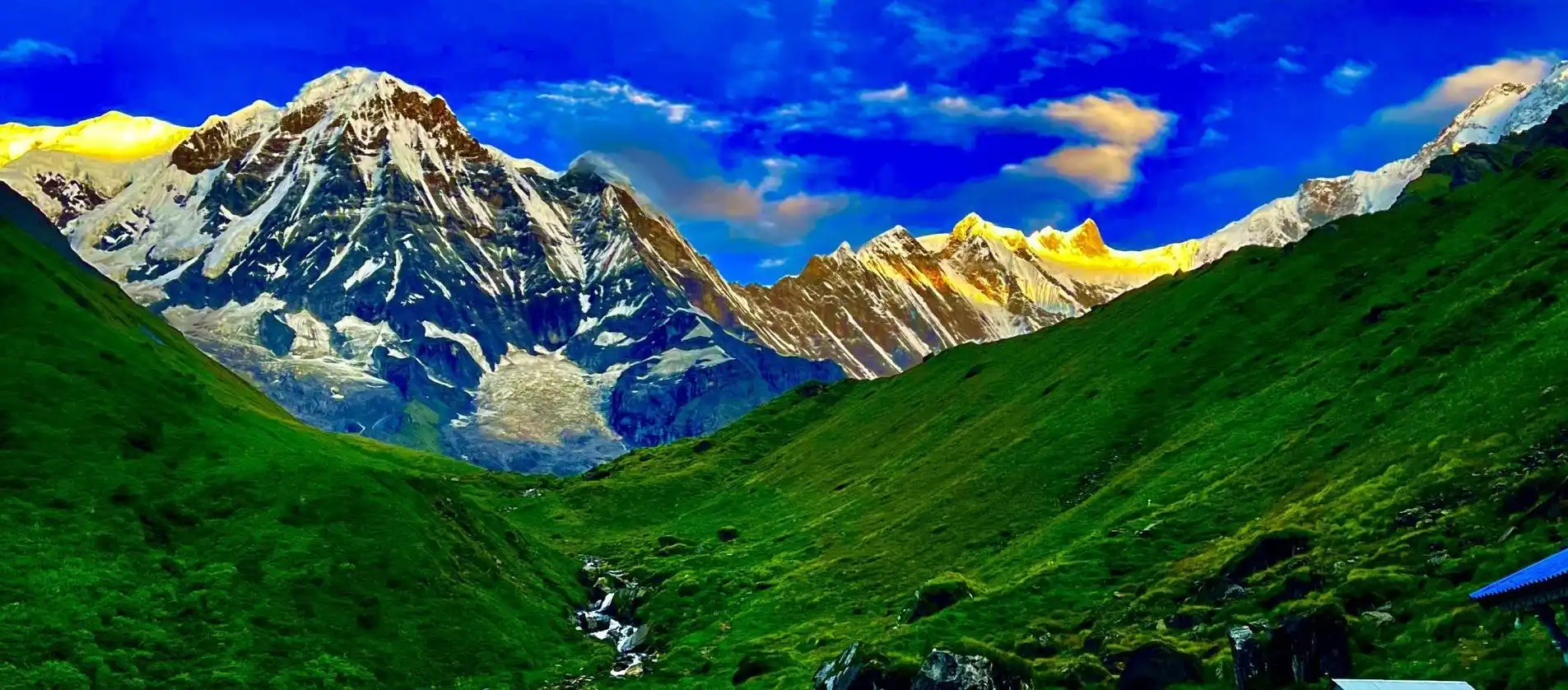
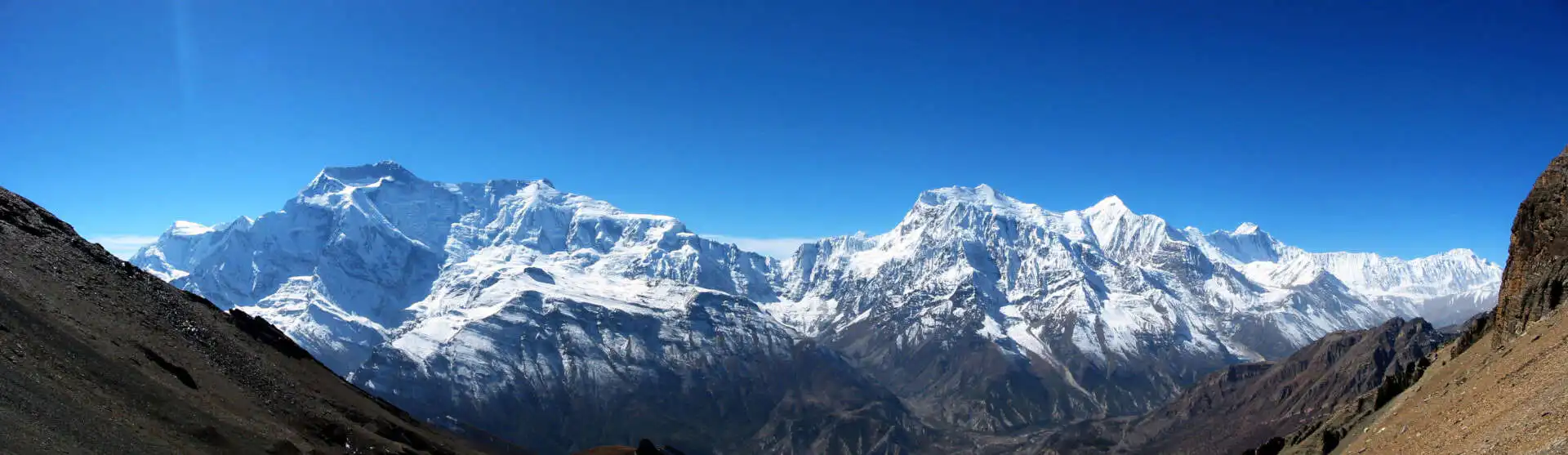
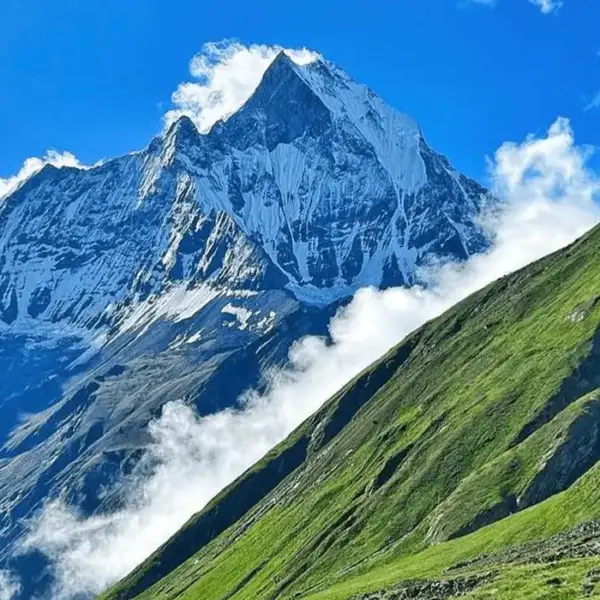
- Get close-up views of Annapurna I, Machhapuchhre, Hiunchuli, and Annapurna South.
- Immerse yourself in the beautiful scenery at comfortable mountain teahouses along the route.
- Walk through bamboo forests, oaks, and rhododendrons.
- Enjoy the peaceful beauty of the Annapurna Sanctuary
- Take a dip in nature’s hot tubs at Jhinu Danda
- Make a fulfilling journey to the Himalayas within 5 days.
5 Days Annapurna Base Camp Trek Overview
5 days Annapurna Base Camp Trek is a shorter version of the classic ABC Trek. The journey takes you through beautiful mountain landscapes, traditional villages, and peaceful forests before you reach the famous Annapurna Base Camp. The walking days are shorter than the classic route, but it still offers most of the highlights the classic one offers. It is perfect for those with limited time who still want to enjoy one of Nepal’s most popular trekking destinations.
The Short Annapurna Base Camp Trek starts in Pokhara and includes a drive to Jhinu Danda; from there, you follow well-established mountain paths through Chhomrong, Sinuwa, Bamboo, Himalaya, and Machhapuchhre Base Camp. Each day offers new scenes, from green forests and running water to rocky alpine landscapes. Friendly local communities, suspension bridges, waterfalls, and quiet valleys line the way, making the journey enjoyable and memorable.
After trekking for 2 days, you’ll get to Annapurna Base Camp (4,130 m / 13,550 ft), the trek’s highest point and ultimate destination. Gradually, the trek will take us to Annapurna Base Camp (4,130 m / 13,550 ft), the trek’s highest point. The mountains surrounding the base camp include some of Nepal’s highest peaks, such as Annapurna I, Annapurna South, Hiunchuli, Machhapuchhre, and many other snow-covered peaks. The broad mountain valley provides a stunning backdrop and lets trekking enthusiasts take in Himalayan vistas from every angle.
The Annapurna Base Camp Trek is recommended for those with moderate fitness and who can walk for a few hours a day. These paths include stone steps, forest tracks, and easy climbs, so the walk is not very difficult and suits most trekkers. Remember to stay hydrated, move at a moderate pace, and follow your guide to enjoy the trek.
The Annapurna Base Camp Trek Itinerary is well designed to maximize your time and enjoyment in the Annapurna region. Every evening, you stay in a simple and hospitable teahouse where you can enjoy a freshly cooked meal and sleep before the next day of the walk.
The Annapurna Base Camp Trek is ideal for first-time visitors to Nepal or anyone seeking another Himalayan adventure, offering an excellent combination of nature, culture, and trekking. My Everest Trip provides knowledgeable guides, permits, transportation, and detailed trekking support to ensure a comfortable, secure, and well-organized trip.
Why choose 5-day Annapurna Base Camp Trek?
The 5-day Annapurna Base Camp Trek is an amazing journey in the Himalayas that involves a short and memorable hike into the Annapurna Sanctuary. The journey lets you enjoy the authentic beauty of traditional Gurung villages, rhododendron and bamboo forests, waterfalls, peaceful mountain scenery, and the hospitality of the people along the trail. Each part of the trail offers a different perspective of the Annapurna region.
The Annapurna Base Camp Trek 5 Days is a perfect choice for adventurous travelers who don’t have enough time to cover the entire trekking circuit in Nepal. The scenery transforms from green hillsides and dense forests to rugged alpine landscape with mountain peaks in the distance, as you climb higher.
A highlight of the journey is reaching Annapurna Base Camp (4,130 m / 13,550 ft), where you will enjoy views of Annapurna I, Machhapuchhre, Hiunchuli, and other peaks from the spectacular natural amphitheatre of the Annapurna Sanctuary. For trekkers who want to see all of the best of the Annapurna region in a short time, it is a great choice.
5 Days Annapurna Base Camp Trek Itinerary
Day 01: Drive from Pokhara to Jhinu and Trek to Chhomrong
Your journey to the 5-day Annapurna Base Camp Trek starts with a drive to Jhinu Danda from Pokhara. The day starts after breakfast, driving through a beautiful landscape. The drive passes through narrow mountain roads, small villages, terraced fields, rivers and forests. Driving time is approximately 3-4 hours. The walk from Jhinu begins with crossing the suspension bridge over the Modi Khola River, then a walk uphill through stone stairs and traditional Gurung villages.
This trail is predominantly uphill and does call for a steady pace. Along the way, we have green hills and mountains as backdrops and visit local farms and homes. Chhomrong is the biggest village on the Annapurna Base Camp trek route, with a gorgeous view of Annapurna South and Machhapuchhre. With the group going at a good pace and the time available, we could proceed on to Sinuwa for an additional 1.5 to 2 hours, which will shorten the trek the next day. Overnight is at the teahouse in Chhomrong (2,170 m / 7,119 ft).

Breakfast, Lunch, Dinner

Teahouse

Drive about 65 km, Trek 5 to 10 km

2,340 m / 7,677 ft

Drive and Trekking, 3 to 4 hours drive and 3 to 6 hours trek
Day 02: Trek to Himalaya
Our day walk today takes us further into the Annapurna Conservation Area. We ascend to Upper Chhomrong, then descend to Chhomrong Khola and then ascend to Sinuwa. The trail is now through thick bamboo, rhododendron and oak forest from Sinuwa. It’s one of the most pleasant parts of the trek amidst the peaceful environs and the fresh mountain breeze.
Then we cross the Bamboo and Dovan before heading along the edge of the Modi Khola. The path slowly climbs and drops several times, passing through narrow valleys and wooded hills. High above, the terrain becomes more rugged and the valley opens up to the high mountains. In a small settlement surrounded by cliffs and forest, we arrive at Himalaya (2,920 m / 9,580 ft) in the late afternoon where we spend one night in a teahouse.
Breakfast, Lunch, Dinner
Teahouse
Approximately 11 km
2,920 m / 9,580 ft
Trekking, 6 to 7 hours
Day 03: Trek to Machhapuchhre Base Camp or Annapurna Base Camp
Following breakfast, we make further ascent in a narrow valley to Deurali (3,230 m / 10,597 ft). The vegetation gradually becomes sparse as we move above the tree line. On the way, we pass places where avalanches can form in winter and early spring where we must walk carefully, but we can enjoy spectacular views of the surrounding mountains.
From Deurali we proceed to Machhapuchhre Base Camp (3,700 m / 12,139 ft) for lunch or overnight camp if necessary. We proceed to Annapurna Base Camp (4130m/13550ft) if it is possible with the weather and time. The topography then expands into the Annapurna Sanctuary with majestic mountains such as Annapurna I, Annapurna South, Hiunchuli and Machhapuchhre. This is a memorable experience when watching the changing of the mountain scenery from base camp. The accommodation is at Machhapuchhre Base Camp or Annapurna Base Camp as per the itinerary and weather conditions.
Breakfast, Lunch, Dinner
Teahouse
Approximately 9 to 13 km
4,130 m / 13,550 ft
Trekking, 5 to 7 hours
Day 04: Trek to Bamboo
After breakfast, we will start to make our way back through the Annapurna Sanctuary. There are several different views of the mountains and surrounding valleys along the descent. We ascend and descend downhill at a comfortable pace as it is easier overall, but the longer descent can be hard on the knees.
After passing Deurali Base Camp, Deurali, Himalaya and Dovan, we slowly cross back to the forest area of the trail. The afternoon walk is nice with the cooler temps and shade along the path. We reach the tranquil village of Bamboo (2,310 m / 7,579 ft) by late afternoon where we stay overnight in a teahouse, nestled amongst bamboo forest.
Breakfast, Lunch, Dinner
Teahouse
Approximately 14 km
4,130 m / 13,550 ft
Trekking, 6 to 7 hours
Day 05: Trek to Jhinu and Drive Back to Pokhara
Our last day on the trek starts with a slow ascent to Sinuwa then a descent to Chhomrong Khola. From there we do the last ascent to Chhomrong and come downhill to Jhinu Danda 1,780 m (5,840 ft). If there is time, you can also visit the nearby natural hot springs located next to the Modi Khola (River), which are a 15-20 minute walk from the village and can be a relaxing break after several days of trekking.
We take the jeep back to Pokhara after lunch. The path takes you along the river valleys and small villages before you make it to the city. After arriving in Pokhara, you can unwind at your hotel or visit around the lakeside. This is the end of your Annapurna Base Camp experience.
Breakfast, Lunch
Trek approximately 10 km
2,310 m / 7,579 ft
Trekking and Drive, 5 to 6 hours trek and 3 to 4 hours drive
What To Expect?
What's Included
- Private transport services between Pokhara and the starting and ending point of the trek
- Standard teahouse accommodation on a twin share basis during the trek
- Breakfast, lunch and dinner while on the trek
- A government-licensed, experienced and English-speaking trekking guide
- Porter service (one porter shared by two trekkers)
- Annapurna Conservation Area Permit (ACAP)
- Guides and porters’ salaries, meals, accommodation, insurance and transportation
- Basic First Aid Kit with guide
- All relevant government taxes and company service charges
- First Aid kit with the guide
What's Excluded
- International airfare either in or out of Nepal
- The fees of entry visa for Nepal
- Travel insurance including High Altitude Trekking and Emergency Helicopter Evacuation
- Accommodation and meals in Kathmandu or Pokhara (unless specified in the itinerary)
- Personal hiking gear and clothing
- During the trek, hot showers, WiFi, battery charging and laundry expenses
- Alcoholic beverages, soft drinks, bottled water, snacks and other personal costs
- Tips for guides and porters
- Expenses due to flight delays, road closures, weather, natural disasters, political instability or anything else that is outside of the company’s control
- Services that are not included in the Cost Includes section
5 Days Annapurna Base Camp Trek Additional Information
Best Time and Weather for Annapurna Base Camp Trek
The Short Annapurna Base Camp Trek can be done at any time of the year; however, spring (March to May) and autumn (September to November) are the most popular seasons. These seasons have good weather conditions and relatively clear skies. In the spring, along the trail, rhododendron forests add colorful hues to the landscape. Likewise, the autumn season offers clean mountain air, blue skies, and superb Himalayan views after the monsoon.
Those who are well-equipped for the cold conditions may also want to trek during the winter months (December–February). At higher altitudes, however, temperatures can be freezing, especially around Annapurna Base Camp (4,130 m / 13,550 ft). Upper portions of the trail may be covered with snow and become difficult or impassable.
Rainfall is common along the trails during the summer monsoon season (June to August), which can cause muddy and slippery surfaces, and in some places there may be landslides. Leeches are also found in lower forested regions, and visibility in the mountains may be restricted in areas with cloud cover. Hints of monsoon may persist through early September.
Always check the current weather forecast and the conditions on the trail before embarking on your hike; weather in the mountains can change rapidly. With careful preparation and a flexible itinerary, you can have a safer and more enjoyable trek to Annapurna Base Camp.
5 Days Annapurna Base camp Trek Route and Elevation
The 5-Day Annapurna Base Camp Trek begins with a drive from Pokhara (822 m) to Jhinu Danda (1,780 m), followed by a trek through Chhomrong (2,170 m), Sinuwa (2,340 m), Bamboo (2,310 m), Dovan (2,600 m), Himalaya (2,920 m), and Deurali (3,200 m) before reaching Machhapuchhre Base Camp (3,700 m) and Annapurna Base Camp (4,130 m). You’ll walk along dense forests, river valleys, stone steps, and traditional mountain villages in your ascent to the Annapurna Sanctuary.
The highest point is at Annapurna Base Camp (4,130 m/13,550 ft). This path is not flat, but rather has a few high points and some steep climbing and descending, especially near Chhomrong and the upper sanctuary. The trail is well established, but the walks can be quite strenuous, particularly at higher levels.
Short ABC Elevation
| Route / Location | Approx. elevation |
| Pokhara | 822 m |
| Jhinu Danda | 1,780 m |
| Chhomrong | 2,170 m |
| Sinuwa | 2,340 m |
| Bamboo | 2,310 m |
| Dovan | 2,600 m |
| Himalaya | 2,920 m |
| Deurali | 3,200 m |
| Machhapuchhre Base Camp (MBC) | 3,700 m |
| Annapurna Base Camp (ABC) | 4,130 m |
Food and Accommodation During Short ABC Trek
Food
On the Annapurna Base Camp trek, you can stay at local teahouses and lodges where you can have food and drinks on your trek. Common breakfast items include porridge, eggs, bread, pancakes, Tibetan bread, tea, or coffee. Lunch and dinner include Dal Bhat (rice, dal, and curry of veggies), noodles, fried rice, pasta, soups, and potatoes.
Since Dal Bhat is a good source of nutrition and energy, it is the preferred meal of trekkers. Vegetarian options are accessible many of them, although as you hike further along the route towards Annapurna Base Camp, there might not be as many. The dining hall is generally the hub of activity where trekkers sit and eat, get relief from walking, and meet other walkers after a day’s trek.
Accommodation
The accommodation along the Annapurna Base Camp Trek route is available at mountain teahouses and lodges. Most have basic shared twin rooms, which include a bed, mattresses, pillows, and blankets, and bathrooms are often shared. The availability of rooms with attached bathrooms is different at each lodge and depends on location. The basicness of the accommodation increases as you get closer to Deurali, the base of Machapuchhre and the base of Annapurna. Deurali, Machapuchhre Base Camp & Annapurna Base Camp are located in the remote areas of the mountains, so the facilities are limited.
Some teahouses will charge a fee for charging, internet, and hot showers, but not all teahouses provide these, and not all of the services are always 100% reliable. During the busy trekking season (spring and fall), teahouses may be booked out throughout the day, and overnight accommodation might be unavailable at popular overnight facilities. Furthermore, a power bank and some cash for personal needs are advised, as you may find electronic payment is not available in the mountains.
Altitude Sickness on the Short Annapurna Trek
One of the primary concerns while taking the 5-day Annapurna Base Camp Trek is altitude sickness or Acute Mountain Sickness (AMS). While not a technical climb, the steep ascent makes for a potential risk of altitude problems, particularly for less experienced climbers. The symptoms of altitude sickness include headache, dizziness, nausea, loss of appetite, unusual tiredness, and difficulty sleeping. These symptoms may occur as you climb to higher altitudes, especially above 2,500 m. It is important to not overlook these signs or assume they are simply due to normal trekking fatigue.
Avoid a fast walking pace, take frequent rest stops, eat right, and drink plenty of water every day to minimize any risk of altitude sickness. Don’t drink alcohol and proceed at a pace that is comfortable for you. If you have any symptoms, you should tell your guide right away. This is a short trip with limited time for acclimatization, so careful planning and supervision are of particular importance.
Do not continue walking if symptoms appear or get worse. Take rest and ask your guide or doctor for advice. If symptoms worsen, it is necessary to go to a lower elevation.
Keep in mind that anyone and everyone can suffer from altitude sickness, no matter how fit or experienced a trekker they are or how much previous experience they have. The most important thing to consider when traveling to Annapurna Base Camp is to do so safely, not necessarily on time.
Visa and Permits for the 5-Day Annapurna Base Camp Trek
Visa
International guests must first obtain a Nepal tourist visa for trekking to the 5 Day Annapurna Base Camp Trek. Tourist visas can be obtained at Tribhuvan International Airport (TIA) in Kathmandu for the majority of foreign visitors or be applied for in a Nepali embassy or diplomatic mission in their home countries. Indian citizens are not required to obtain a tourist visa for Nepal entry, but other foreign nationals need a tourist visa to enter Nepal. To apply for the visa, you must have a minimum of 6 months’ validity on your passport from the date of your arrival in Nepal.
Necessary Permits for 5-day Annapurna Base Camp Trek
The Annapurna Conservation Area Permit (ACAP) is the major permit needed to trek to Annapurna Base Camp. With this permit, trekkers enter the protected Annapurna Conservation Area, through which the ABC trail takes place through forests, mountain villages, and the Annapurna Sanctuary. Trekkers can obtain the permit through the National Trust for Nature Conservation (NTNC) or an authorized permit counter. It is only valid for one entry, doesn’t expire, cannot be exchanged for a different one, and must be handed in at each of the checkpoints during the trek.
Cost of Annapurna Conservation Area:
| Category | Fee |
|---|---|
| Foreign Nationals | NPR 3,000 per person |
| SAARC Nationals | NPR 1,000 per person |
Transportation for the Annapurna Base Camp Trek
The 5-day Annapurna Base Camp trek starts at Pokhara and goes to the starting point of the trek at Jhinu Danda. The road trip is about 50-65 km and takes about 3-5 hours depending on the vehicle, road conditions, and traffic. You will also drive through rural villages, terraced agricultural fields, and the hills of the Annapurna area.
From Pokhara to Jhinu Danda, there are a number of transport options. A shared jeep is another cost-effective option, typically costing around NPR 1,000–2,000 per person for a one-way journey. It is suitable for individuals or small groups, but departure dates are subject to passenger availability.
Another option is to rent a private jeep, which costs about NPR 8,000-15,000 per jeep, and thus is a convenient choice for families and groups who prefer flexible departure times. Local buses are also an affordable choice as the charges are approximately NPR 500-700 per passenger. Buses may, however, not go all the way to the exact trekking starting point, and there may be a need to change buses or walk again.
Upon completion of this trek, you’ll take the drive back to Pokhara. Shared jeeps and private vehicles are most convenient, with fares not much different from the trip out. Renting a private vehicle offers greater flexibility, while sharing a jeep helps reduce transportation costs per person. The ride back also takes 3-5 hours depending on the road conditions and vehicle pick-up point.
What Should You Avoid During the 5-Day Annapurna Base Camp Trek?
To enjoy a safe and responsible Annapurna Base Camp Trek, respect local traditions, fellow trekkers, and the natural environment. Keep these important points in mind throughout your journey:
- Avoid wearing inappropriate clothing in villages: Dress modestly and respect local cultural and religious traditions.
- Never photograph people without permission: Always ask before taking pictures of local residents, especially in villages, monasteries, and religious sites.
- Do not litter along the trail: Carry your waste with you and use designated disposal facilities whenever available.
- Avoid disturbing wildlife: Do not chase, feed, or approach wild animals, and never damage plants or vegetation.
- Keep noise to a minimum: Avoid loud music and unnecessary noise, particularly near villages, monasteries, and natural areas.
- Do not drink untreated water: Use boiled, filtered, or properly treated drinking water to reduce the risk of waterborne illness.
- Never ignore altitude sickness symptoms: Headaches, nausea, dizziness, and unusual fatigue should not be overlooked. Inform your guide immediately if you feel unwell.
- Do not ignore your guide’s instructions: Follow safety advice, respect local customs, and avoid taking unnecessary risks on the trail.
Trip Extension After the 5-Day Annapurna Base Camp Trek
For a few days after your 5-day Annapurna Base Camp Trek, you can add more days to your stay in Nepal for a trip extension. There are a lot of places to make your trip to Nepal even more memorable in the Annapurna region and elsewhere. Here are some suggestions for trip extensions that you may want to consider.
Trek to Poon Hill
If you are looking to see another iconic Himalayan view after your Annapurna Base Camp Trek, add some days to your trip to Poon Hill. It is located at a 3,210 m elevation and is popular for its amazing sunrise views of the Annapurna and Dhaulagiri mountain ranges.
Looking at the peaks such as Annapurna South, Machhapuchhre, Hiunchuli and Dhaulagiri during sunrise is especially stunning from the viewpoint.
Explore Pokhara
Spending time in Pokhara after a couple of days of trekking in the mountains is a great way to experience a different aspect of Nepal. The lakeside city has a mix of natural beauty, entertainment, and resting spots. Take a relaxing walk alongside Phewa Lake, visit the World Peace Pagoda, and explore the Davis Falls and Gupteshwor Mahadev Cave.
For those seeking more adventure, Pokhara also offers paragliding, ziplining, bungee jumping, and ultralight flying. You can also spend another day or two exploring the city at your own pace.
Kathmandu Valley Sightseeing
Kathmandu Valley sightseeing is another great way to extend your stay in Nepal if you have an interest in its history, architecture, and traditional culture. There are several UNESCO World Heritage Sites, historic palaces, ancient temples, Buddhist stupas and traditional Newari settlements in the valley. Explore the rich cultural and religious heritage of the country at Kathmandu Durbar Square, Swayambhunath Stupa, Boudhanath Stupa, and Pashupatinath Temple.
Also visit the historic towns of Bhaktapur and Patan, famous for their traditional architecture, wood carvings, courtyards, and handicrafts. You can choose either a 1-day or 2-day guided sightseeing tour as per your interests. This extension is an ideal choice for those wishing to experience Nepal’s mountains and the country’s culture and traditions.
Chitwan Jungle Safari
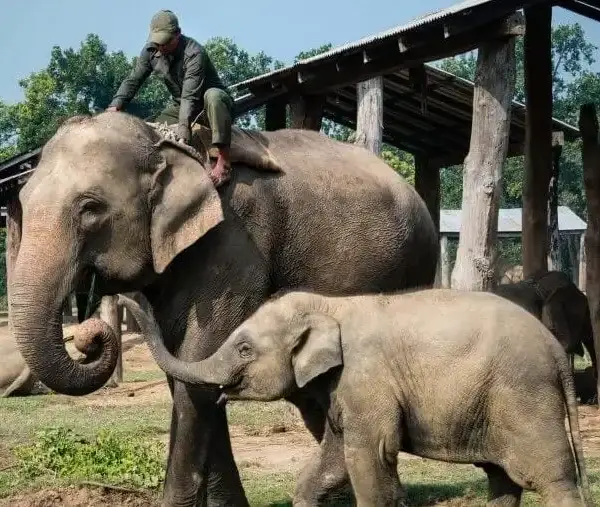
After exploring the Himalayas, you can also extend your stay with a trip to Chitwan National Park for a wildlife adventure. Chitwan is in the southern lowlands of Nepal, where you’ll find tropical forests, grasslands, and an abundance of wildlife. On the safari, you can see one-horned rhino, deer, wild elephant, crocodile, and on a lucky day will see the Royal Bengal tiger.
Other activities include canoe rides on the Rapti or nearby rivers, birdwatching, and nature walks (where possible), and visits to local Tharu cultural communities. Adding two to three days to your itinerary is generally enough to explore the main attractions and enjoy an overnight stay at a jungle lodge or resort. It’s a great choice to enjoy your mountain vacation with the natural wildlife and cultural diversity of Nepal.
Tips for First-Time Trekkers
For those who are going to the Himalayas for the first time, a little preparation will make the 5-day Annapurna Base Camp Trek a lot easier and more fun. The path is hilly, rocky, windy, and at high elevation. Before you start your adventure, keep these useful tips in mind.
- Prepare Your Body: Begin walking, jogging, biking, or hiking a few weeks before your trip. Walk uphill and up steps to increase endurance and strengthen legs for the challenging portions of the ABC trail.
- Wear Comfortable Trekking Gear: Wear comfortable trekking boots that fit well and provide good grip and ankle support. Bring moisture-wicking clothing, warm layers, a waterproof jacket, trekking poles, sunglasses, sunscreen, and a comfortable backpack. Avoid blisters by breaking in your trekking boots before use.
- Walk at Your Own Pace: Do not compete with other trekkers or walk too fast. Work at a steady, comfortable pace. Rest whenever necessary and conserve your energy for longer walking days and steep uphill sections.
- Drink Water & Eat Right: Keep drinking water all day and have healthy meals to keep your energy up. Along the way, you’ll find a variety of dishes in the teahouses, such as dal bhat, soups, noodles, rice, and potatoes. Never drink contaminated water.
- Learn about Altitude Sickness: Annapurna Base Camp is at 4,130 m. Be aware of symptoms such as headaches, dizziness, nausea, and unusual tiredness. If you experience such symptoms, tell your guide right away, and do not attempt to climb any higher if you get sicker.
- Check Weather: Mountain weather can quickly change, even in the best trekking seasons. Always read the weather forecast before starting the day’s trek and be sure to pack warm clothing and waterproofs for rain, wind, and low temperatures.
- Carry Enough Cash: Most teahouses and small shops along the ABC trail primarily accept cash. Carry enough Nepalese rupees (NPR) to cover personal expenses such as snacks, hot water, charging, and other small purchases.
- Respect Local Culture and Nature: Wear appropriate clothing (modesty) in villages and religious sites. Ask permission to take pictures of residents and respect local customs. Don’t litter, disturb wildlife, or harm plants along the trail.
- Follow Your Trekking Guide: Respond to your guide’s directions regarding walking speed, trail conditions, weather conditions, and altitude safety.
- Be Flexible with Your Plans: The 5-day ABC trek is relatively short, but can be physically challenging. Walking times are approximate and are subject to change based on fitness, weather, and trail conditions. Acknowledge and be ready to modify the itinerary if necessary for safety reasons.

Tripadvisor Reviews



Google Reviews


5 Days Annapurna Base Camp Trek FAQs
Can I charge my gadgets on the way to Annapurna Base Camp Trek?
Yes, you can charge up your mobile phones, camera and other electronic devices at most of the teahouses while on the Annapurna Base Camp trek. There may be extra fees for charging, particularly in communal dining areas, at some lodges. Therefore, always take a power bank along if you don’t have power.
Do you have ATMs on the trekking trail?
You can find ATMs at Pokhara, but the ATM facilities along the trail are unreliable. In this section, we recommend that you withdraw enough money from Pokhara before you go on the trek. Carry adequate Nepalese currency for food, drinks, snacks, and other personal requirements.
Is there a place to purchase bottled water on the journey?
Yes, there are teahouses and small shops offering Bottled water on the Annapurna Base Camp trek. The further up you go, however, the higher prices are. It will help to reduce recycling waste and cost if everyone has their own water container and uses boiled/treated water.
Does the porter have a weight limit?
Yes, each porter has a weight limit to carry of 20- 25 kg, shared by two trekkers (10- 12.5 kg per person). It is highly recommended that you pack only what you will need and maintain a “personal daypack” that is kept light.
Am I able to get vegetarian or vegan food during the trek?
Yes, vegetarian food is available all over the Annapurna Base Camp Trek. Most of the teahouses serve dal bhat, dal noodles, rice, potatoes, vegetable soups, and other local foods. Vegan options are also available, but may be limited at higher altitudes, so please let your guide know of your dietary requirements.
What type of toilet facilities are there on the Annapurna Base Camp Trek?
The amenities of most teahouses are limited, from Western-style flush toilets to traditional squat toilets. Communal bathtub facilities are available at lower elevation lodges, and fewer facilities are available at higher elevation teahouses. Some lodges will have a hot shower attached, and extra fees apply.
Can children participate in this trek?
Yes, children can participate in this Annapurna Base Camp Trek but only if they are physically fit and well geared. But this trek is faster gain in elevation, which can be challenging to childrens. So, the classic ABC is recommended for children who want to experience the region’s beauty.
Can it be done as a solo trek on this route?
Yes, it is possible to do the Annapurna Base Camp Trek alone, but it will be easier and safer to join a guided trek. When hiring a guide, the logistics of the trip are all handled by guide, which means all food, accommodation, and transportation are taken care of as well.
Can I leave some of my bags in Pokhara for the duration of the Annapurna Base Camp Trek?
It’s possible to drop off extra gear at your hotel in Pokhara during the Annapurna Base Camp Trek. Most hotels provide free storage for their guests’ luggage. Only essential clothes and items need to be carried during the trek.
Is there a medical store on the trail?
Basic first aid is available in some villages, as well as medical shops, but facilities are limited, especially at the higher elevations. Personal medications, basic first-aid supplies, and any altitude-related medication as prescribed are recommended. Your guide will also bring a basic First Aid Kit.
Can I fill up my water bottle on the trek?
Yes, you can fill your water bottle in the trekking route’s teahouses. But never drink untreated water from taps, streams, or natural sources. You can purchase boiled water or use water purification tablets or filters to make drinking water safe.
At what time does the trek start each day?
Normally, trekking days start after breakfast at 7:00-8:00 AM. The time of your departure may vary from day to day according to the distance, weather, and destination. Your guide will let you know the schedule every evening.
Is it possible to personalize this trip when you are booking?
Yes, it is possible to personalize this trip. We can customize the Annapurna Base Camp Trek according to your schedule, fitness level, and travel preferences. The total trekking time, choice of accommodation, mode of transport, and other activities are negotiable. Speak with our team about your needs before booking.
In case of bad weather, what happens?
The safety of everyone is our first concern, and in the event of poor weather conditions affecting the trail or visibility, the programme may be modified. Your guide will evaluate the situation and decide to delay, adjust the route, or wait. If necessary, we will make alternative arrangements to ensure a safe journey.
Is tipping expected after the Annapurna Base Camp Trek?
Tipping is expected as a means of showing appreciation for the hard work of your guide and porter. This depends on the quality of service, the length and size of the trek, and is at your discretion. The tip can be given directly to your trekking team at the end of the trip.
US$ 350 per person
- 24/7 Customer Support
- Experienced and Professional Team
- Hassle-Free and Easy Booking
- 99% Customer Satisfaction
- Fair Prices, Exceptional Service
- No Hidden Costs and Secure Payments
- Tailored and Personalized Itineraries
24 X 7 Live Support
Puru (+977-9851069558)
Related Trips


Recent From Our Blog Places of attractions, travel tips, news and more.
Annapurna, Blog, Trekking in Nepal
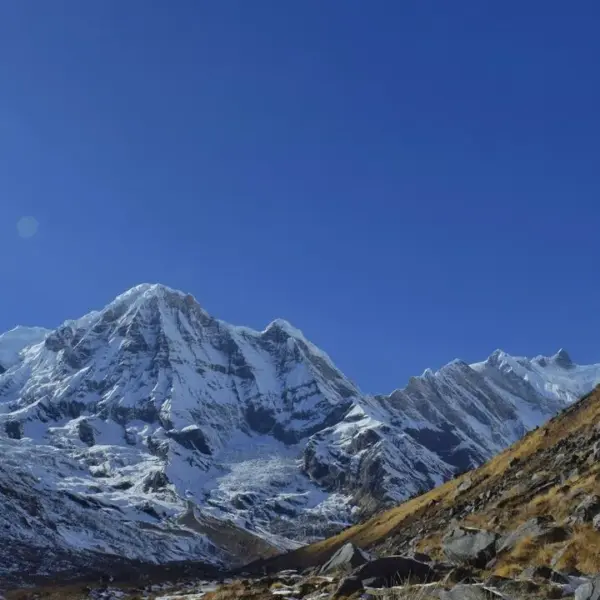
Annapurna Base Camp Trek Cost
The classic Annapurna Base Camp trek has been celebrated for centuries. Here’s a complete Annapurna…
Read the full post
Annapurna
Annapurna Base Camp Trek In March
Annapurna Base Camp is a popular trekking destination that takes you to the foothills of…
Read the full post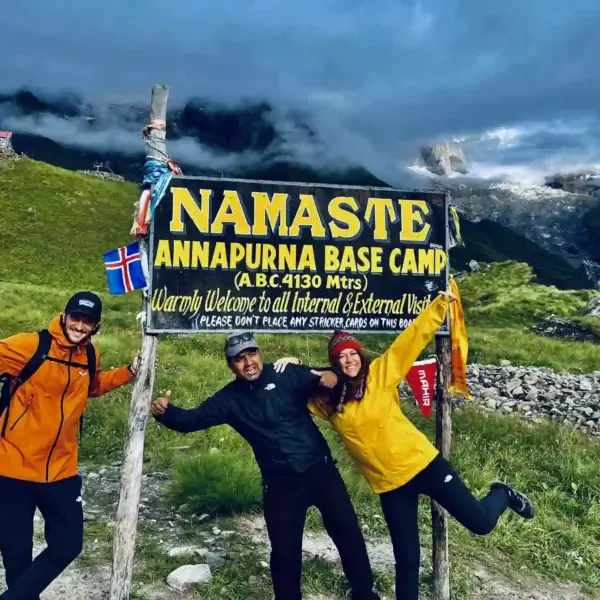
Annapurna
Annapurna Base Camp Trek Difficulty
The Annapurna Base Camp Trek difficulty can differ through different factors, including altitude, route condition,…
Read the full post