



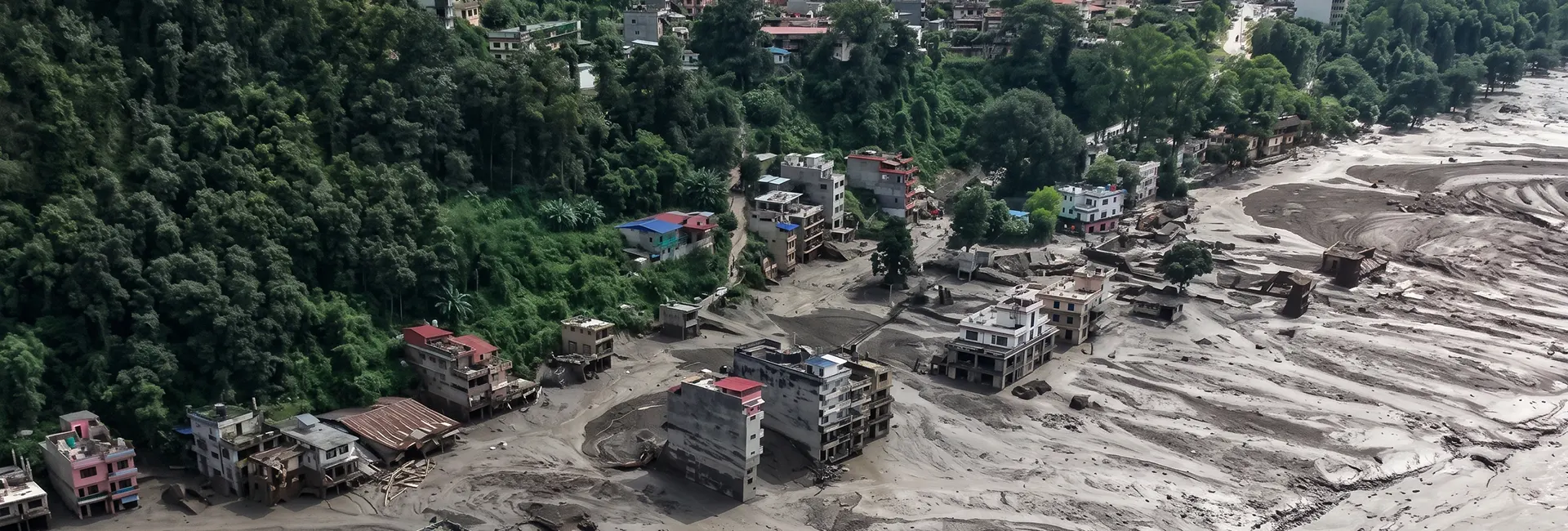
Nepal is now facing a critical flood and landslide situation after a disastrous flash flood hit the Trishuli and Bhote Koshi Rivers on August 26, 2026. The catastrophe has caused widespread destruction in northern and central Nepal, particularly in Rasuwa and related districts, and rescue and recovery operations are underway.
The Nepal flood update matters for those planning to travel, as some roads and river corridors remain unsafe or blocked. It is also important to realize that the disaster isn’t impacting the entire nation. Most tourist destinations outside this affected region are still open, though road traffic may be delayed and flights may be impacted during monsoon weather.
What Happened in Nepal?
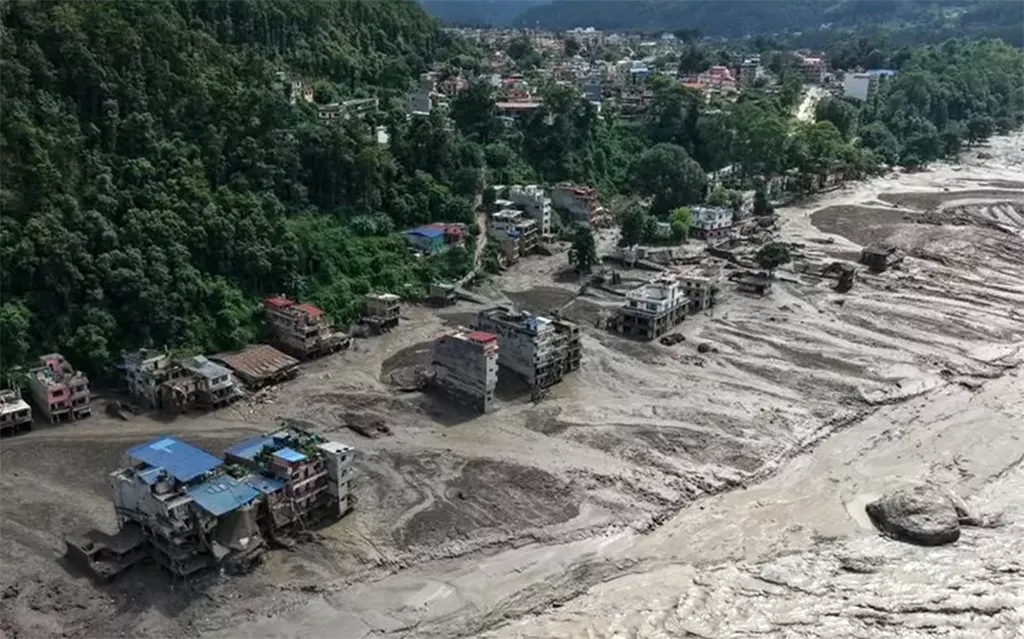
The major disaster began on August 26 with a severe flash flood in the Bhote Koshi and Trishuli river systems. Roads, bridges, settlements, and other infrastructure in Rasuwa, Nuwakot, and the surrounding areas were severely damaged. The disaster also affected downstream areas as debris and floodwaters flowed through the river system.
Work is still underway in affected communities, such as hydropower projects in Rasuwa and Nuwakot. Authorities have also warned of further flooding and landslides amid forecast continued rains.
Nepal Flood Affected Areas
The table below provides a practical overview of the areas with the highest travel concerns.
| Area | Current Situation | Travel Advice |
| Rasuwa | Severely affected by the Bhote Koshi flood, with major infrastructure damage. | Avoid non-essential travel. |
| Nuwakot | Flooding, landslides, and damage along river corridors and roads | Avoid affected river and road sections |
| Dhading | Landslides and road damage, including problems along the Prithvi Highway | Postpone travel through affected sections |
| Gorkha | Reported flooding and disruption in parts of the district | Check local conditions before traveling |
| Chitwan | Downstream flood impacts and disruption to major road connections have been reported. | Check road status before traveling. |
| Rasuwagadhi, Timure and Syabrubesi | Serious conditions following the Rasuwa disaster | Do not travel unless authorities confirm access is safe |
The area of Rasuwagadhi, Timure and Syabrubesi is delicate. The US Embassy has urged its citizens not to travel to these areas or the Nepal-China border area due to ongoing risks after the flooding.
Roadways are also rapidly evolving. On August 31st, some landslides closed parts of the Prithvi Highway in the Dhading area, and several other mountain and highway roads reportedly were damaged or closed.
Areas Currently Open for Travel in Nepal
The recently issued Nepal flood update indicates that the most severe flooding has occurred in Rasuwa, Nuwakot, Dhading, and adjoining river corridors. But the disaster is not everywhere in the country. Several key tourist sites are open, but monsoon conditions may delay some roads, and landslides and flight delays may occur.
| Destination | Current Situation | Travel Advice |
| Kathmandu Valley | Tourism services and major attractions are operating. | Travel is possible with weather checks. |
| Pokhara | Outside the main flood-affected area. | Check road or flight conditions before traveling. |
| Everest and Khumbu | Outside the main flood zone. | Trekking is possible, subject to weather and flights. |
| Annapurna Region | Not directly affected by the current flood disaster. | Check trail and transport conditions. |
| Chitwan | Tourism activities remain available. | Monitor rainfall and road conditions. |
| Bardiya | Outside the main affected corridor. | Travel is possible with monsoon precautions. |
| Lumbini | Outside the main disaster area and open to visitors. | Check local weather before traveling. |
Staying away from Nepal flood-affected areas is not a sure way to get clear roads and trails. Weather, road and flight conditions can vary rapidly during the monsoon season. Always check the latest updates before you start your journey. Do not venture into areas of impact (Rasuwa) and into restricted river corridors unless given authorization.
How to Travel Safely During the Flood Situation
Taking these precautions can help make traveling during the current Nepal flood situation much safer:
Check Road Conditions Before Leaving
Road conditions can change within hours because of landslides, falling rocks and rising rivers. Before car journeys or hikes, call your hotel, trekking company, transport company, or local government officials.
Avoid Flooded Rivers and Bridges
Never attempt to cross a flooded road, river or damaged bridge. The depth and force of fast-flowing water can be much deeper and more powerful than you think.
Be Careful on Mountain Roads
Mountain roads are especially prone to landslides in heavy rain. Do not travel when authorities say so; do not look for a secret route.
Allow Extra Travel Time
Monsoon rains can cause delays, even if the roads are open. Be prepared for changes in plans and do not make important flights or connections right after a long road trip.
Follow Official Warnings
The Department of Hydrology and Meteorology forecasts weather, issues flood warnings and awareness messages, and maintains the toll-free 1155 service for weather and flood early-warning information.
Which Places Can Tourists Still Visit?
The current disaster has not affected all tourist destinations in Nepal. People can visit outside flood-hazard areas as long as they consider current weather and transportation conditions.
However, Kathmandu Valley, Lumbini, and other parts of eastern and western Nepal are still open to travelers. Routes may also be used in areas with no current local warnings, but they should be confirmed before trekking.
However, many places in Nepal are still open to tourists. People should not cancel trips to the whole country without checking the situation, but travelers should avoid the disaster areas.
Final Nepal Flood Update
Flood-affected districts remain in critical condition, and the situation could change rapidly. Right now, areas along the river and highway corridors in Rasuwa, Nuwakot, and surrounding areas are of particular concern.
Meanwhile, locations outside the flood-impacted regions aren’t as disrupted and are still good places to visit. Nepal’s tourist destinations are spread out and large, so visitors can adjust their plans instead of canceling everything.
For the best safety, please check the latest information on Nepal’s flood-affected regions, road conditions, and weather forecast before you travel. The Nepal Tourism Board is also coordinating tourism-related information in the wake of the disaster, including updates on tourism infrastructure and tourists affected by it.