


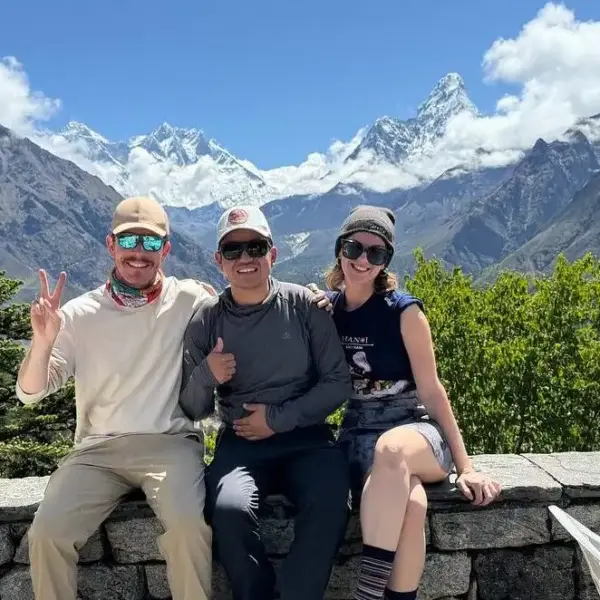
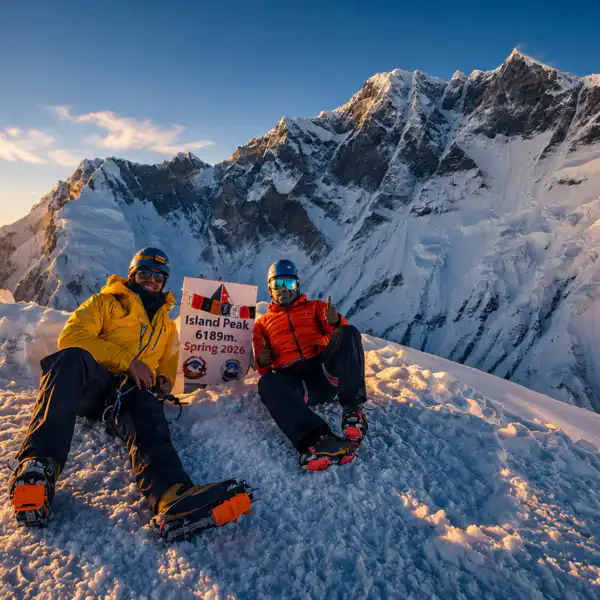
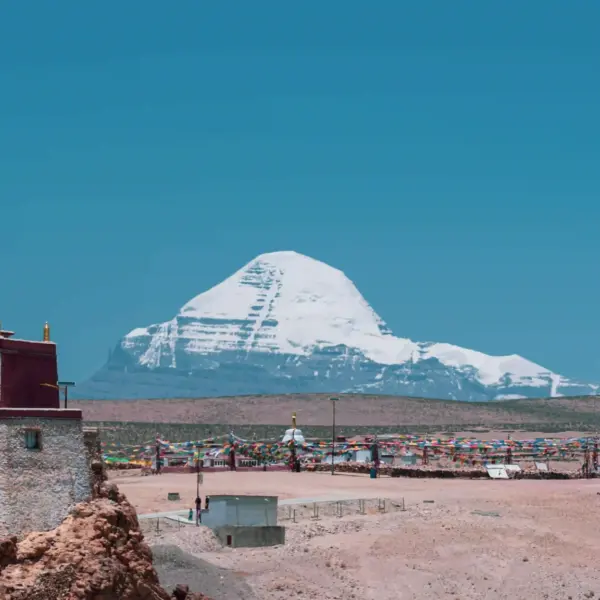

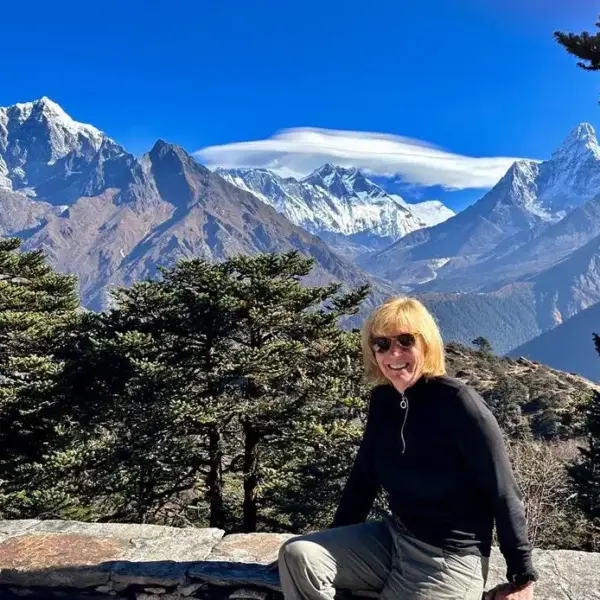
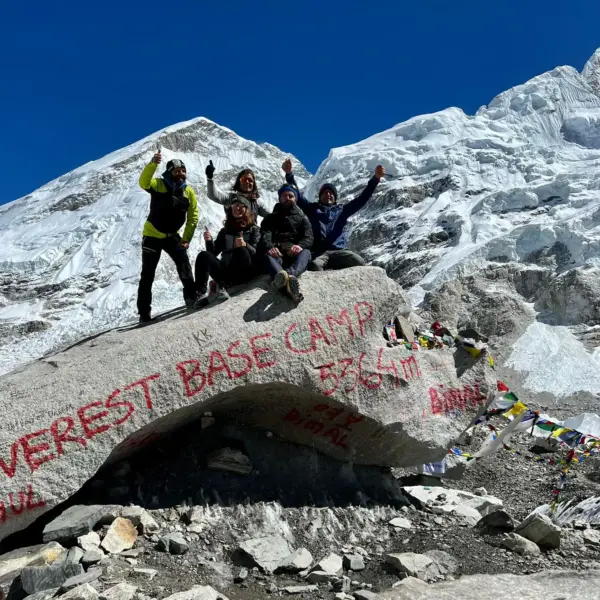
The Everest Base Camp Trek is Nepal’s most popular trek and remains a favorite among travelers worldwide. The chance to stroll through Sherpa villages, explore ancient monasteries, and stand at the foot of the world’s highest mountain makes this trek a lifelong dream for many. Reaching Everest Base Camp at 5,364 m (17,598 ft) offers not only a sense of accomplishment but also breathtaking views of the Himalayas.
The Everest Base Camp Trek is likely to be in high demand during 2026 and 2027. Improved trekking infrastructure, accommodation, and a wider range of trekking packages have made the route accessible to first-time trekkers and experienced hikers alike. You have a few choices, whether you’re seeking a budget-friendly adventure or a high-end Himalayan experience.
Everest Base Camp Trek Costs in 2026 and 2027 vary based on several factors. Some trekkers prefer to travel independently with basic teahouse facilities, while others prefer guided group or luxury package tours. The final budget depends on flight costs, permits, accommodation standards, guide and porter services, the trekking season, and the trip duration.
Trip not found.
Everest Base Camp trek Budget will assist you in making the right decision by choosing the right package and preventing any surprises in the trek. This also helps you compare trekking options because you know where the money will go.
This guide breaks down the Everest Base Camp Trek Cost for 2026-2027. It includes permit fees, Kathmandu to Lukla flight charges, accommodation prices, food prices, guide and porter charges, and the variations between budget, standard, and luxury trekking packages.

Quick Answer: How Much Does the Everest Base Camp Trek Cost in 2026-2027?
The Everest Base Camp trek cost depends largely on how you travel, your comfort level, and what your package includes. Budget trekkers can do it cheaply by staying in simple teahouses and keeping costs down.
Normal guided tours are affordable and comfortable, with premium services and accommodation being provided in luxury packages. Trekkers who opt to take a helicopter back to the Everest region should have a higher overall budget.
Everest Base Camp Trek Cost Overview
| Trek Style | Cost Per Person |
| Independent/Budget Trek | $900 – $1,500 |
| Standard Guided Everest Base Camp Trek | $1,260 – $1,500 |
| Luxury Trek | $3,300 – $6,000+ |
| Luxury Trek with Helicopter Return | $4,000 – $8,000+ |
These expenses typically cover the trek’s main costs. Most trekking packages include permits, domestic flights, accommodation, meals on the trek, a guide and porter, and local transportation. Nevertheless, trekking companies vary in their inclusions, so travelers should always pay attention to them when booking.
The cost of the Everest Base Camp Trek in 2026 may increase if you opt for individual services, high-end lodges, extra acclimatization days, helicopter transfers, or additional sightseeing in Kathmandu.
Factors That Affect the Everest Base Camp Trek Cost
Several factors affect the cost of the Everest Base Camp Trek. Knowing these aspects can help travelers choose the right itinerary and manage their budget.
Trek Duration
Trek duration is a major factor in the overall price. A short 12-day trip is likely cheaper because it involves fewer sleeping days and fewer restaurants and staff. The most common option is a 14-day itinerary that allows enough time to acclimate. Extended treks of 16 days or more tend to cost more because of additional accommodation, food, and guide services.
Trekking Season
The time of year you choose can strongly affect prices. The busiest trekking seasons are spring (March-May) and autumn (September-November). The demand for flights, accommodation, and guides during these months is high, which may increase total expenses.
The winter season (December-February) is generally cheaper and less busy. The June-August monsoon season can also offer savings, but weather conditions may affect flights and visibility.
Group Size
Individual mountaineers tend to pay more because everything is handled individually. Private treks are more flexible and tend to be more costly. Small-group treks offer a middle ground between affordability and individual service. Operators usually offer discounts to larger groups because costs are shared among participants.
Trek Style
The type of trekking you do depends directly on your budget. Budget treks emphasize simple services and basic accommodation. Common expeditions are professionally guided, well-equipped, and well coordinated logistically. Luxury treks offer luxury lodges, enhanced meals, skilled staff, and other comforts.
Everest Base Camp Trek Permit Costs 2026-2027
All trekkers should obtain the necessary permits before entering the Everest region. The Everest Base Camp Trek budget includes mandatory permit fees for all foreigners.
Khumbu Pasang Lhamu Rural Municipality Permit
All trekkers entering the Everest region must obtain a Khumbu Pasang Lhamu Rural Municipality Permit. The permit now amounts to NPR 3,000, which is approx. USD 20-25 at the exchange rate.
You can obtain this permit in Lukla or Monjo, then proceed to the rest of the Khumbu region. To buy the permit, you need a valid passport.
Sagarmatha National Park Entry Permit
Another required trek document is the Sagarmatha National Park Entry Permit. The permit fee is NPR 3,000 plus government taxes, which is about USD 22-30 for foreign trekkers.
You can obtain this permit in Kathmandu before traveling or at the park entrance in Monjo. Permit checks are conducted along the trekking route.
Total Permit Cost
| Permit | Cost (USD) |
| Khumbu Pasang Lhamu Rural Municipality Permit | $20 – $25 |
| Sagarmatha National Park Entry Permit | $22 – $30 |
| Total | $45 – $55 |
Our Everest Base Camp Trek will cost about $45- $55 per person in total permit fees. These are mandatory and ought to be factored into your trekking budget.
Permit Updates for 2026-2027
Permit fees can vary depending on local policies and conservation programs. Before traveling on the Everest Base Camp Trek in 2026, verify the latest permit information, as no significant changes are anticipated at present.
Kathmandu to Lukla Flight Cost
Flights between Kathmandu and Lukla also make up a significant portion of the Everest Base Camp Trek Cost for 2026-2027. Most trekkers arrive in and leave the Everest region via the Lukla domestic flight, since Lukla is the region’s primary gateway.
Flight Cost for 2026-2027
Round-trip flights cost around 480-520 USD per person, depending on the season, airline, and booking time.
Peak Season Flights
Demand for Lukla flights is very high in spring and autumn. Flights usually sell out a few weeks in advance, and fares tend to be high. People planning a trek in March, April, May, October, or November should book early.
Off-Season Flights
Lower airfares are available during the winter and monsoon seasons due to low demand. Trekkers traveling during these seasons may occasionally save on transportation expenses. However, weather-related delays and cancellations are more common.
Helicopter Flight Option
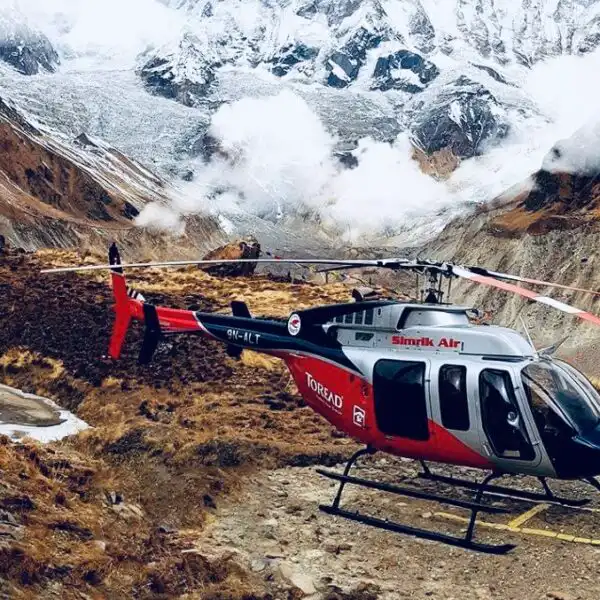
Some travelers prefer helicopters over fixed-wing aircraft. Helicopters are more flexible and may be used during weather-related delays to regular flights.
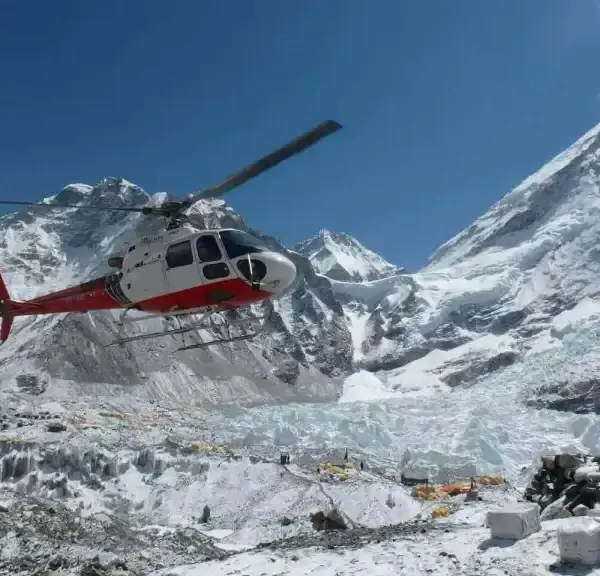
Gorakshep to Kathmandu Helicopter Flight
The Everest Base Camp Trek is Nepal's most popular trek and remains a favorite among travelers worldwide. The chance to stroll through…
Kathmandu to Lukla Helicopter Cost
Private helicopter flights from Kathmandu to Lukla typically cost between $ 2,500 and $ 4,000 per flight, depending on the number of passengers and weather conditions.
Shared Helicopter Flights
Shared helicopter services let passengers split the cost among multiple people. This alternative usually costs between $ 500 and $ 900 per person and has grown in popularity in recent years.
Tips to Save on Flight Costs
Flight reservations made several months in advance are often the most effective way to get better fares. You can also travel during less busy seasons to cut costs. Trekking companies often offer discounted flights through group treks. More flexible travel dates can also increase your chances of finding more affordable fares.

Accommodation Costs During the Everest Base Camp Trek
Accommodation is one of the key components of the Everest Base Camp Trek cost. The type of lodge you choose can significantly impact your budget. Along the trekking route, options range from basic teahouses to comfortable standard lodges and luxurious mountain lodges.
Budget Tea Houses
The cheapest accommodation in the Everest area is budget teahouses. These lodges offer simple rooms (twin-sharing) with beds, blankets, and shared bathrooms. Facilities are limited, but they have everything you need for a good rest after a day of trekking.
Room prices typically range from $5 to $15 per night. In some areas, lodges offer free accommodation when trekkers buy food there.
Standard Lodges
Regular lodges are more comfortable than the low-end teahouses. Visitors can stay in cleaner rooms with better beds, hot showers, charging options, and improved dining facilities. Some lodges also offer private rooms in popular villages.
Room rates usually range from 20 to 50 per night, depending on the time of year and area.
Luxury Lodges
Luxury lodges are the best accommodation facilities on the Everest Base Camp route. These properties offer quality rooms, heated dining areas, attached bathrooms, comfortable beds, quality meals, and professional service.
The luxurious accommodation is primarily found in villages such as Lukla, Phakding, and Namche Bazaar. At higher elevations, prices are very high.
Accommodation Cost Breakdown
| Location | Budget | Standard | Luxury |
| Lukla | $5–$15 | $20–$50 | $150–$400+ |
| Namche Bazaar | $10–$20 | $30–$70 | $200–$500+ |
| Dingboche | $10–$20 | $30–$60 | $100–$250+ |
| Gorakshep | $10–$25 | $30–$70 | Limited Luxury Options |
The cost of accommodation usually increases at high altitudes because it must be carried by porters, yaks, or helicopters. When budgeting the Everest Base Camp Trek Cost in 2027, travelers should also consider their accommodation preferences.
Food and Drinks Cost on the Everest Base Camp Trek
Food costs make up a considerable part of the Everest Base Camp Trek Cost. Meal costs rise slowly as trekkers climb higher, since carrying food becomes more expensive.
The average breakfast price ranges from $ 5 to $ 12 and varies by location and menu. Popular breakfast foods include porridge, eggs, toast, pancakes, and Tibetan bread. Lunch prices typically range from $6 to $15. Most trekkers visit teahouses along the route and order food to keep them energized for the afternoon.
Dinner is usually the most important meal and costs between $8 and $18. Dining rooms are gathering areas where trekkers rest and prepare for a new day. The most commonly eaten food on the trek is dal bhat, which offers a good mix of rice, lentil soup, vegetables, and occasionally meat. Most lodges also have fried rice, noodles, pancakes, and pizza.
Drink prices rise significantly with altitude. A cup of tea averages $2 to $6, and coffee averages $3 to $7. Depending on the location, soft drinks may cost between $2 and $6. The higher the elevation, the higher the price of bottled water, which can be $2-$5 or more.
Total Daily Food Budget
| Trek Style | Daily Food Budget |
| Budget | $20–$30 |
| Standard | $30–$50 |
| Luxury | $50–$100+ |
Most trekkers spend $25-$50 per day on food and drinks. Those who opt for high-quality meals, foreign drinks, or luxurious accommodation should factor this into their Everest Base Camp Trek cost calculations in 2026.
Guide and Porter Costs in 2026-2027
One of the best investments you can make on the Everest Base Camp Trek is guide and porter services. They improve safety, offer local expertise, and enhance the trekking experience.
Hiring a Licensed Guide
In 2026 and 2027, certified guides will likely cost between $30 and $50 per day. Rates vary by experience, language proficiency, qualifications, and trekking company.
A guide helps find routes and accommodation, manage altitude, provide local information, and offer emergency assistance if issues arise. Guides also share knowledge about Sherpa culture, local traditions, and the Everest region.
Hiring a Porter
Porters usually cost between $20 and $30 per day. Porters can carry about 20 kg (44 lbs) to 25 kg (55 lbs) of baggage, usually shared between two trekkers.
Hiring a porter lets trekkers carry a daypack and enjoy an easier walk rather than a strenuous one.
Guide-Porter Option
A guide-porter is a popular option among trekkers, combining guiding and carrying roles. This alternative usually ranges from $25 to $40 per day and may be affordable for travelers on a tight budget.
A guide-porter usually carries a lighter load than a normal porter and also provides some basic guidance and logistics.
Tipping Expectations
Tipping is also acceptable in Nepal, and trekking staff appreciate it. Guide fees can be as low as $100-$200 per trek, depending on the service and trek length.
Your tip for the porters usually ranges from $70 to $150 per trek. Most trekking teams will receive tips at the conclusion of the trip and share them with employees.
Total Staffing Budget
An average 12- to 14-day trek would cost a traveler about $ 350 to $ 700 for guide services and about $ 250 to $ 450 for porter services. Hiring a guide and a porter means staffing expenses will make up a substantial portion of the total Everest Base Camp Trek Cost 2026-2027.

Everest Base Camp Trek Package Cost Comparison
Various trekking packages cater to different budgets and travel styles. Knowing what is included and what isn’t is also useful, as it helps travelers choose the most suitable option.
Budget Everest Base Camp Trek
Everest Base Camp Trek budget packages target tourists who want to avoid spending a lot of money while still enjoying the Everest region.
These packages typically cover permits, domestic flights, simple teahouse lodging, guide services, and limited logistical support. Accommodation is usually rudimentary, with basic facilities and amenities.
Budget packages do not include lunches, dinners, beverages, travel insurance, personal expenses, hot showers, charging fees, and tips. A typical budget Everest Base Camp Trek costs between $900 and $1,500 per person.
Gorakshep to Lukla Helicopter Flight
The Everest Base Camp Trek is Nepal's most popular trek and remains a favorite among travelers worldwide. The chance to stroll through…
Standard Everest Base Camp Trek
The most popular trek among international visitors is the standard trek. It offers good value for the price. Typical packages include permits, Kathmandu-Lukla flights, lodging, three meals a day on the trek, a certified guide, porter services, airport transportation, and organization.
Personal costs, travel insurance, tips, alcohol, and additional services are typically not included. The usual Everest Base Camp Trek ranges from $1,300 to $2,500.
Luxury Everest Base Camp Trek
Luxury treks emphasize comfort and high-quality services during the trip. These packages include superior lodges, enhanced dining, skilled guides, porter service, airport transportation, permits, domestic flights, and personalized care.
Extravagant amenities often include heated rooms where possible, attached bathrooms where possible, comfortable beds, high-quality dining, and a higher staff-to-client ratio. An average luxury Everest Base Camp Trek costs between 3,000 and 6,000 (or more) per person.
Luxury Everest Base Camp Trek with Helicopter Return
This luxury trekking package includes a helicopter flight from the Everest region to Kathmandu. The helicopter return saves several days of walking and offers incredible aerial shots of the Himalayas. It is also a convenient choice for time-starved travelers.
The price typically includes all luxury trek services, helicopter transport, permits, accommodation, meals, guides, porters, and airport transfers. The average cost of return helicopter packages is 4,000 to 8,000 per person, or more. The price ultimately varies with group size, accommodation standards, helicopter availability, and the level of luxury included in the itinerary.
This package sits at the upper end of the Everest Base Camp Trek Cost 2026-2027 spectrum and is for tourists seeking the utmost comfort and convenience.
Additional Expenses Most Trekkers Forget
When planning the Everest Base Camp Trek Cost, most travelers focus on package prices and other key costs but overlook minor expenses that can add up over the trip.
Travel insurance is one of the most important expenses. High-altitude trekking and emergency helicopter evacuation coverage can cost $100 to $300 or more, depending on your country and the level of cover. A Nepal tourist visa is also required by most foreigners. A 15-day visa costs around $30, a 30-day visa around $50, and a 90-day visa around $125.
A trekker without trekking gear may need to hire it in Kathmandu. You can generally rent sleeping bags, down jackets, trekking poles, and duffel bags at reasonable daily rates. Buying new trekking gear before the trip can make a big difference to your budget.
Hot showers are also common along the trekking trail, priced between 3 and 10. Phone, camera, and power bank charges are also estimated to be an extra $2 to $8 per device.
Most villages offer WiFi, but it costs more at higher altitudes. International travelers can pay between $10–30 in the trek, depending on how they use the internet. Energy drinks, bottled beverages, snacks, and chocolate bars are significantly more expensive in the mountains than in Kathmandu. Most trekkers end up spending a lot on these products.
It is also practical to have an emergency fund for unexpected costs, such as delays, extra hotel nights, hospitalization, or transportation changes. Having an extra 200-500 dollars can provide relief on the journey.
Everest Base Camp Trek Cost by Nationality
The Everest Base Camp Trek Cost is largely comparable to that for travelers from other nations, but the overall trip cost can vary because of international airfare, travel insurance, and exchange rates.
Cost for US Travelers
Travelers from the United States may spend more because long-haul flights to Nepal can cost between $ 800 and $1,800, depending on the season.
Cost for European Travelers
Total costs for European travelers tend to be similar, but airfare varies widely by departure country and airline.
Cost for Australian Travelers
The long distance between Australia and Nepal often makes Australian travelers spend more on international airfares.
Cost for Asian Travelers
Asian tourists from countries such as India, Singapore, Malaysia, Thailand, Japan, and South Korea might enjoy shorter trips and lower transportation costs.
Why Costs Differ
The main trekking costs in Nepal, such as permits, lodging, food, guides, and porters, are largely the same for all overseas tourists. Airfare, insurance, personal spending habits, and exchange rates are the key factors that determine total spending differences.
Ways to Reduce Your Everest Base Camp Trek Cost
You can reduce the Everest Base Camp Trek Cost in 2027 in realistic ways that don’t diminish enjoyment or safety.
One of the simplest ways to save money is to travel in a group. Two or more trekkers can share the costs of guides and porters, as well as transportation and other logistical expenses, making the per-person cost much lower.
Booking directly with a local trekking company in Nepal is usually cheaper than booking through foreign agencies. Local companies often offer competitive prices for the same services.
Walking in the shoulder seasons can also help keep costs down. Prices may be lower in late February and early March, and in late November and early December, with decent trekking conditions.
Hiring equipment in Kathmandu is also usually cheaper than buying it on a trek. There is high-quality rental equipment. A standard lodge, rather than luxury accommodation, can greatly reduce daily costs without compromising comfort or basic amenities.
A reusable water bottle and water purification tablets will save money and reduce plastic waste. Buying bottled water daily can be very costly in high-elevation areas.
Lastly, never do last-minute bookings. Flights, lodging, and trekking packages are usually less expensive when booked well in advance. Early planning not only saves money but also offers more options and flexibility.

Sample Everest Base Camp Trek Budgets
The examples below provide rough estimates of the cost of the Everest Base Camp trek in 2026, depending on travel style.
Budget Backpacker Example
| Expense | Estimated Cost |
| Permits | $45–55 |
| Kathmandu–Lukla Flights | $430–520 |
| Accommodation | $150 |
| Food & Drinks | $350 |
| Guide/Porter | $200-250 |
| Miscellaneous | $150 |
A low-end backpacker is interested in simple teahouses, simple food, and spends well during the trek.
Standard Trekker Example
| Expense | Estimated Cost |
| Permits | Included |
| Flights | Included |
| Accommodation | Included |
| Meals | Included |
| Guide and Porter | Included |
| Personal Expenses | $200–$400 |
| Total Estimated Cost | $1,800–$2,500 |
Instead of worrying about budgeting, planning, and forecasting, a typical trekker will be part of a guided package that covers most of the key costs.
Luxury Trekker Example
| Expense | Estimated Cost |
| Luxury Accommodation | Included |
| Premium Meals | Included |
| Experienced Guide and Porter Team | Included |
| Domestic Flights | Included |
| Helicopter Return | Included |
| Personal Expenses | $300–$800 |
| Total Estimated Cost | $4,500–$8,000+ |
Luxury trekkers have finely furnished lodges, improved services, customized services, and a helicopter flight back to the Everest region.
Is the Everest Base Camp Trek Worth the Cost?
The Everest Base Camp Trek is a worthwhile investment for many travelers. It offers breathtaking mountain views, rich Sherpa culture, and a chance to explore one of the world’s most renowned trekking destinations.
10 Days Luxury Everest Base Camp Trek
The Everest Base Camp Trek is Nepal's most popular trek and remains a favorite among travelers worldwide. The chance to stroll through…
Trekkers traverse through lovely villages, ancient monasteries, and magnificent landscapes of Sagarmatha National Park. Reaching Everest Base Camp at 5,364 m (17,598 ft) is a personal accomplishment most people remember for life.
Everest Base Camp is typically more expensive than the Annapurna Base Camp Trek but offers a more iconic mountain setting than other well-known treks. The overall cost of the Manaslu Circuit Trek may be similar, depending on permits and logistics. Most international trekking tours, including the Kilimanjaro Trek in Tanzania and the Inca Trail in Peru, are usually much more expensive than a typical Everest Base Camp tour.
Although the Everest Base Camp Trek Cost might be a big investment, most trekkers feel it was worth it for the experience, scenery, and sense of accomplishment.
Everest Base Camp Trek Cost FAQs
What will the Everest Base Camp Trek cost in 2026?
The average cost of a budget or standard trek is between $900 and $ 1,500, and luxury treks cost $3,000- $ 8,000 or more.
Can I walk to Everest Base Camp without a guide?
Yes, you can trek in the Everest region independently, but most tourists hire a guide for safety, convenience, and to learn about the area.
How can I do the EBC trek as cheaply as possible?
The most affordable option is often a solo hike that uses cheap teahouses, basic meals, communal transportation, and a few other amenities.
How will I carry cash on the trek?
The average trekker carries $300-$700 in cash for personal expenses, snacks, charging, showers, tips, and emergencies.
Is travel insurance required?
Travel insurance, including coverage for high-altitude trekking and emergency evacuation, is highly recommended, even though it is not always legally required.
How much should you tip guides and porters?
The guides tend to charge between $100 and $200 per trek, and the porters tend to charge between $70 and $150 per trek, depending on the quality of service and the length of the trek.
Is a helicopter return worth the additional price?
A helicopter bailout saves a few days of trekking and offers spectacular aerial views of the Himalayas. It is worthwhile for many travelers who have limited time.
What are the hidden costs of the EBC trek?
Common hidden costs include travel insurance, visa fees, hot showers, device charging, Wi-Fi, snacks, beverages, equipment rental, and tips.

Conclusion
Everest Base Camp Trek Costs can range from $900 to $8,000, depending on whether the trekker is on a budget or wants a luxury experience with premium services and a helicopter return. The standard price range of $1,300 to $2,500 offers a comfortable, well-supported experience for most trekkers.
Low-cost travelers can keep costs down by staying in simple teahouses and controlling their day-to-day expenditure. Standard trekkers benefit from organized packages that include permits, flights, accommodation, meals, guides, and porter services. Luxury travelers receive high-quality lodges, customized services, and greater comfort during the trip.
Cost is also a factor, but you should also consider safety, adequate acclimatization, well-trained personnel, and efficient logistics. The low-cost option may not be the best choice for high-altitude trekking.
Planning, understanding key costs, and choosing the right trekking style will help you build a realistic budget and have a successful experience at Everest Base Camp. With proper preparation, the memories and experiences you gain on this renowned world trek can last a lifetime.