



Autumn weather on the Everest Base Camp Trek is one of the main reasons thousands of trekkers choose this season every year. September to November is autumn, characterized by stable weather, clear mountain views, comfortable daytime temperatures, and some of the best trekking conditions in the Himalayas. After the summer monsoon, the air clears, the trails dry out, and the colors are rich as new green appears.
It’s important to pick the right month to go on a trek. While all three autumn months are good times to hike, weather patterns, trail conditions, temperatures, and crowd levels differ each month. September is less busy for hiking, October has crystal-clear skies, and late November is quieter for hiking.
Trip not found.
Here, you will learn about the weather in Everest Base Camp during the autumn season, month by month, so you can choose the best month for your trekking journey. Whether you’re hiking for mountain views, photography, or a good time, you need to know what to expect from the weather in each season to prepare for your hikes.
Knowing what to expect each month will also help you pack right, find the right accommodations, and make your trip safer and more comfortable when you travel with an experienced local travel company like My Everest Trip.
Why Autumn Is the Best Season for Everest Base Camp
Many veteran trekkers consider late autumn the best time to trek to Everest Base Camp because the weather becomes more predictable once the monsoon season ends. The sky stays clear for extended periods, giving you more opportunities to take in panoramic views of the Himalayan peaks. Conditions are usually very clear during the day, so mountains that aren’t visible in cloudy seasons may appear.
The trails also get a huge boost as well. Heavy monsoon rain abates, and muddy river sections disappear, improving river crossings. Rubber suspension bridges, stone stairs and mountain paths make walking easier and more comfortable, allowing trekkers to maintain an average pace throughout the trip.
Autumn weather is generally mild at lower elevations, but it can be cold and harsh at higher elevations. The trek is pleasant during the day (seeing the sun in the West), but nights can get very cold at higher elevations.
Autumn is also a holiday time in Nepal. During their trek in the Khumbu region, many trekkers get the chance to enjoy local festivals, traditional celebrations, and village life. This cultural experience adds value to the journey.
Understanding Weather Along the Trek
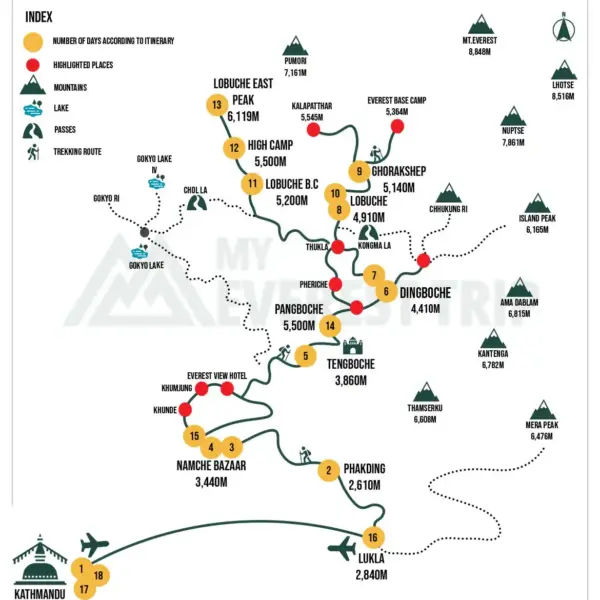
As you climb higher, you will notice the weather changes significantly during the Everest Base Camp trek. Lukla sits at ~2860 m (9383 ft), where autumn temperatures are relatively mild. The trail heads through Namche Bazaar, to Tengboche, Dingboche, Lobuche, and then to Everest Base Camp, as the air becomes thinner and colder.
Autumn weather on the Everest Base Camp Trek is one of the main reasons thousands of trekkers choose this season every year.…
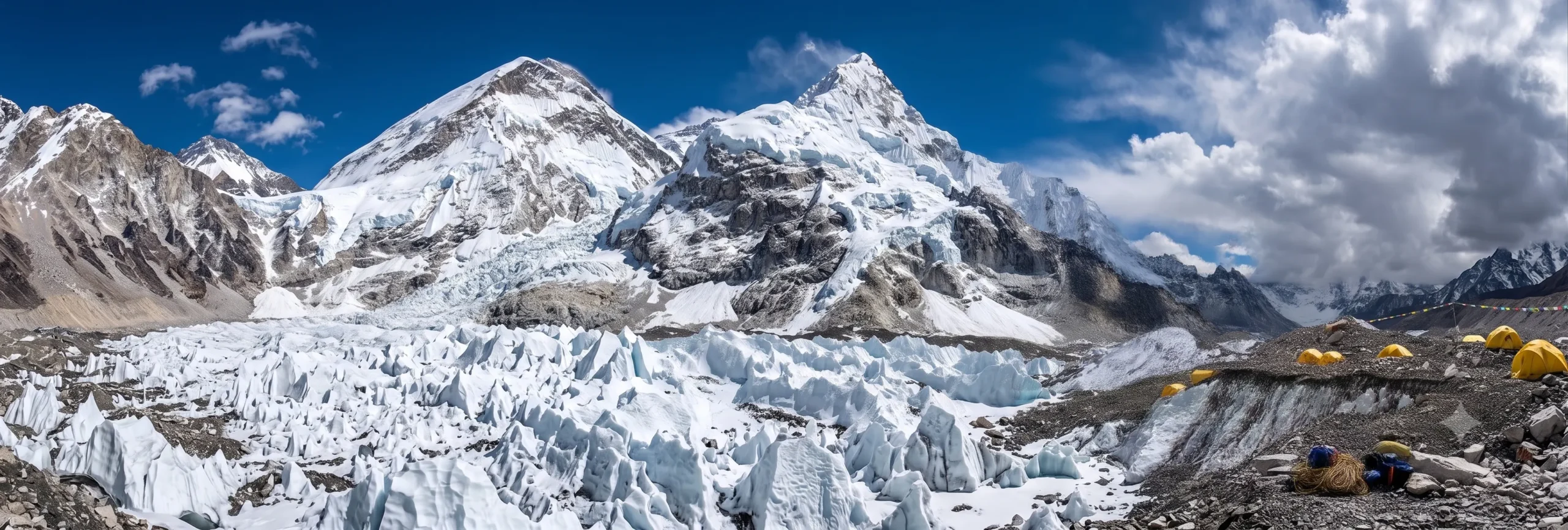
Everest Base Camp is at 5364m (17598ft), and Kala Patthar, the most popular viewpoint, is at about 5545m (18192ft). Even in the autumn, temperatures can drop significantly below freezing after dark at these altitudes.
Morning weather is typical and dry. Clouds frequently form in the afternoon, but they are usually not as thick as during the monsoon. Sometimes strong winds occur at higher altitudes, especially near Gorak Shep, Kala Patthar, and Everest Base Camp.
Since temperatures fluctuate during the day, it’s better to wear several layers of clothing than one heavy jacket.
Everest Base Camp Trek in September
September marks the start of the autumn trekking season for the Everest Base Camp trek. Occasional leftover monsoon showers are possible in early September, at lower elevations. Generally, the weather improves as the month goes on.
After months of rain, fresh vegetation grows on the hillsides. The forests are lush green, the rivers are full, and many waterfalls are in action year-round, even more so than during their normal season. The scenery is beautiful in these landscapes early in the month.
Temperatures are fairly comfortable during the day. Daytime temperatures are often between 12°C and 20°C around Lukla and Namche Bazaar, but in higher villages like Dingboche and Lobuche, daytime temperatures drop significantly, and nighttime temperatures often fall below freezing.

September is a good time to hike because many trails are less busy than in October. Normally, tea houses have good availability, so you can easily arrange accommodation without waiting long.
Weather delays are still possible on flights to Lukla for the first week or two of the month, but become more dependable later in the month.
For trekkers planning to join the Everest Base Camp Trek in September, it is advisable to bring rain gear, as there is still a possibility of short spells of rain throughout the trek in early September.
Everest Base Camp Trek in October
October is considered the best time to do the Everest Base Camp Trek. October marks the end of the rainy season; the sky is clear, and visibility is at its best.
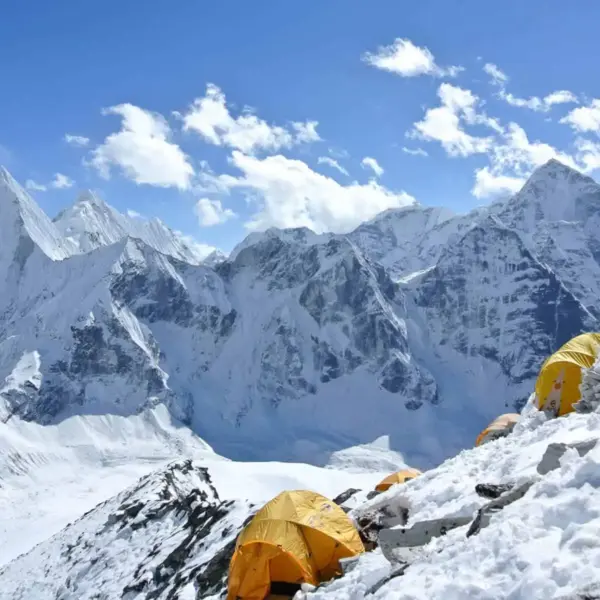
This month is perfect for spotting iconic Himalayan peaks such as Mount Everest, Lhotse, Nuptse, Ama Dablam, Thamserku, and many others. October is a great month for photographers, as it offers perfect morning light for landscape shots.
Autumn weather on the Everest Base Camp Trek is one of the main reasons thousands of trekkers choose this season every year.…
Trekking conditions are good during the daytime with pleasant temperatures. The sun makes sunny afternoons comfortable at all elevations, and higher areas are cool but manageable. As the trail heads upward to Everest Base Camp, nights get even colder, but the dry air can make for more comfortable weather than during wetter seasons.
The Everest Base Camp Trek gets busy around October. During busy weeks around the Bazaar of Namche, Tengboche, Dingboche, Lobuche and Gorak Shep, tea houses are usually full. During this peak time, having a well-established operator to book a room with makes things easier.
October also brings significant festivals in Nepal, which you can enjoy before or after the trek.
Weather at Higher Elevations During October
Temperatures drop significantly as trekkers near Lobuche (approx. 4940 m/16207 ft) and Gorak Shep (approx. 5164 m/16942 ft). The mornings are often cold and frosty, and the temperatures during the day are typically between 5°C and 10°C, with sunny periods.

During October, the October base camp will stay cold, especially after dark. In the Himalayas, snowstorms can occur at any time of the year, but heavy snowstorms are uncommon in October. Days are dry, with good visibility most of the time.
October is a good month to visit Everest Base Camp and Kala Patthar, as the weather is typically calm.
November Weather on the Everest Base Camp Trek
November is the last month of autumn and is still a great time to trek. The skies are often very clear and offer some of the best mountain views of the year.
The main difference is the temperatures. Cooler mornings and evenings are beginning as winter nears. At night, villages in this area of Dingboche often have temperatures well below freezing. Frost is common, and water bottles left outside can freeze before dawn.
Day trekking is possible and comfortable with clear skies, despite the temperatures. In fact, many experienced trekkers prefer November because of the dry humidity. The Himalayas’ blue sky is crisp, with mountain ranges shown.
October is also the busiest time, when numbers start to fall. Tea houses grow calmer, trails are quieter, and photographers have more flexibility to take photos without the crowds.
Insulated jackets, gloves, hats, and warm sleeping bags are essential cold-weather gear in November.
Average Temperature During Autumn
Autumn weather on the Everest Base Camp trek depends not only on the month but also on altitude. Temperatures are relatively mild in the lower villages during the season and drop steadily with increasing altitude.
During autumn, daytime temperatures in Lukla (2,860 m / 9,383 ft) are often between 12°C and 20°C. Daytime temperatures at Namche Bazaar (3,440 m or 11,286 ft) typically range from 10°C to 18°C.
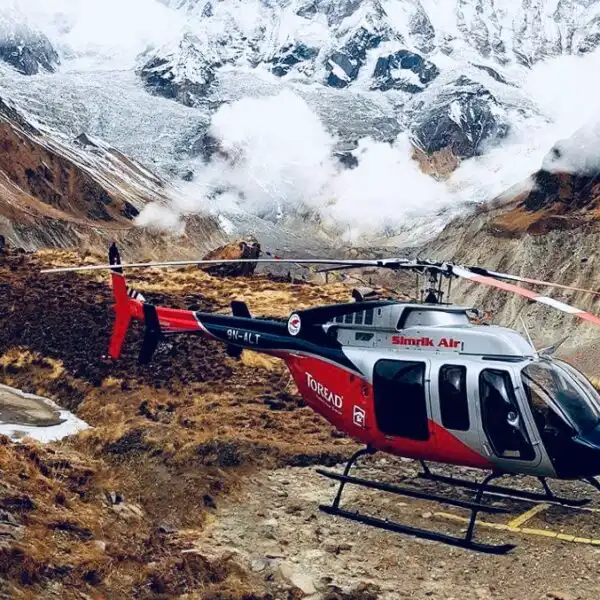
Gorakshep to Lukla Helicopter Flight
Autumn weather on the Everest Base Camp Trek is one of the main reasons thousands of trekkers choose this season every year.…
Tengboche at 3867 m (12687 ft) and Dingboche at 4410 m (14469 ft) are noticeably cooler, with comfortable day temperatures but cold nights.
From above Lobuche (4,940 m / 16,207 ft) up to the highest point at 6,416 m (21,045 ft), cold conditions are the norm. Everest Base Camp is below freezing nightly for most of autumn, and Kala Patthar (5,545 m/18,192 ft) is often even colder because of stronger winds and its exposed position.
Mountain Visibility During Autumn
Autumn hikes are among the most beautiful in the country, with stunning mountain vistas. Dust and moisture from the monsoon autumn are rapidly leaving the air, making it very clean throughout the Khumbu region.

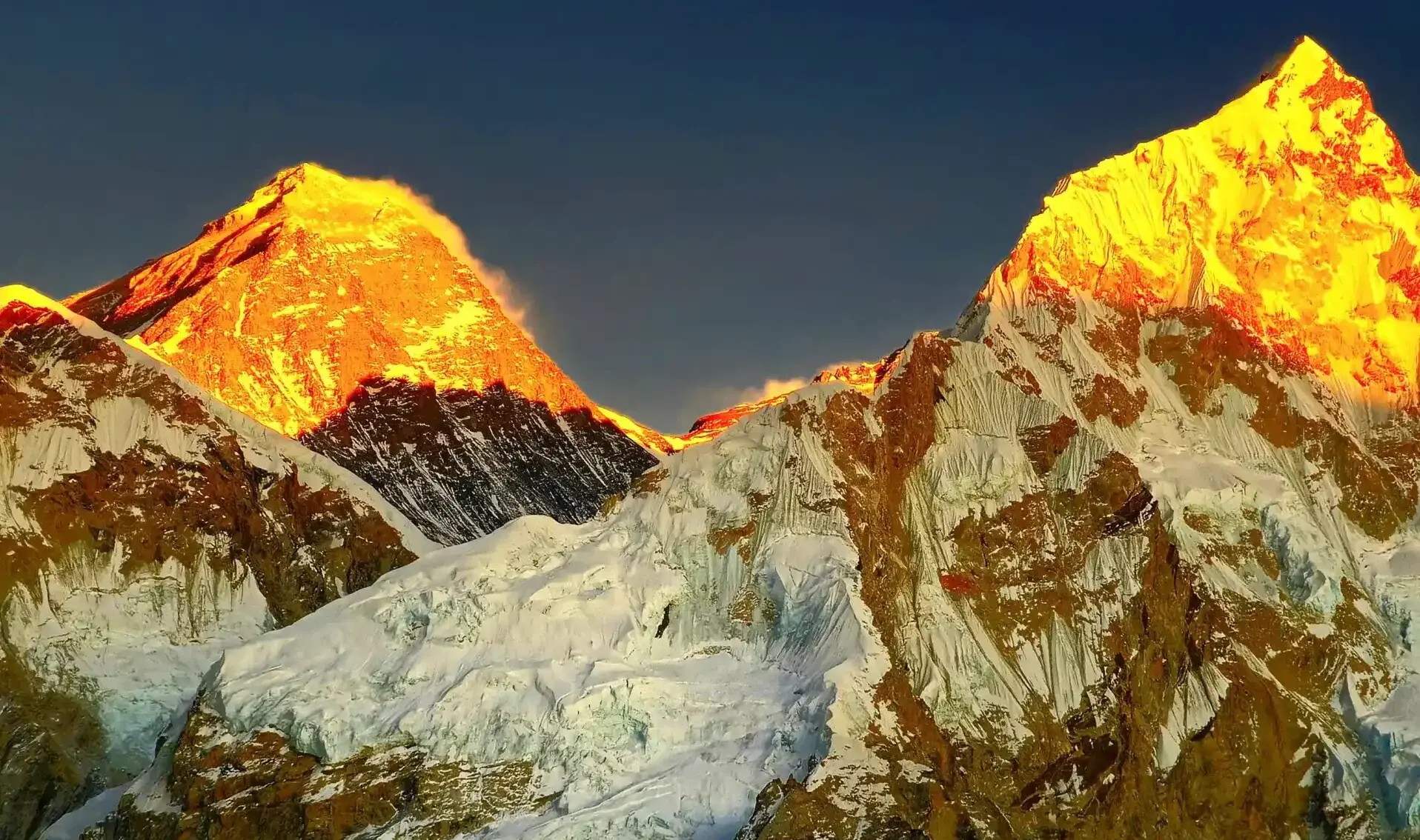
The clearest skies are often in the early morning. Golden sunlight glints off the snow on the peaks, and the scene is impressive all the way along the trail. Clouds often appear in the afternoon but are generally light and do not cover the mountains for much of the day.
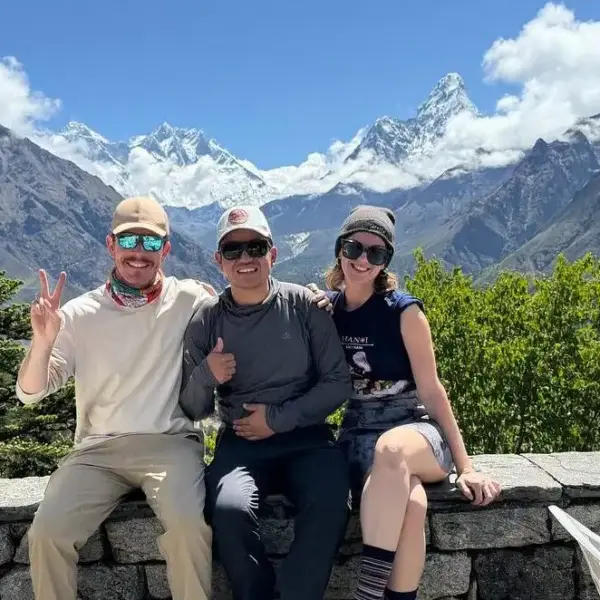
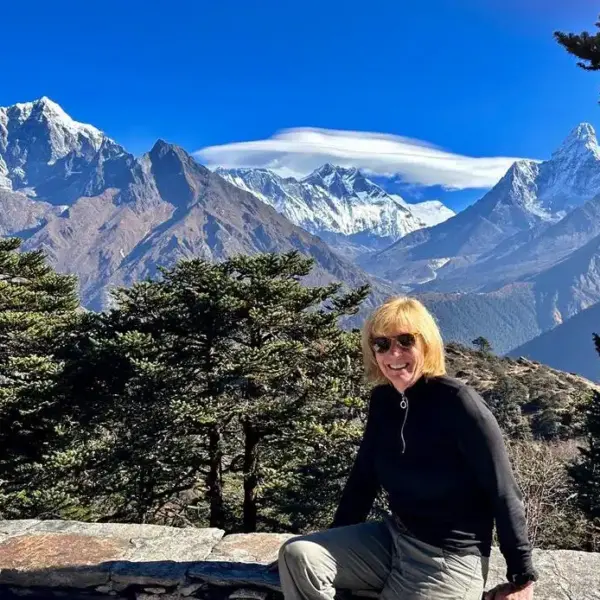
Autumn on the Everest Base Camp Trek often brings clear skies for many kilometers, letting trekkers enjoy the vast expanse of the Himalayas from places like Namche Bazaar, Tengboche, and Kala Patthar.
Packing for Autumn Weather
Proper gear packing makes for a comfortable journey throughout the hike. Layered clothing is best – mornings, afternoons and evenings can be significantly different.
Moisture-wicking is a key feature of hiking base layers for regulating sweat. During cooler times of year, an insulating fleece will help keep you warm, and a good down jacket will be needed during the evening at higher elevations. A waterproof outer shell can still be useful, especially in early September, when there is a chance of showers now and then.
Warm hats, gloves, thermal socks, sunglasses, sunscreen and a warm sleeping bag are all good extras. It is surprisingly warm during the day in the strong Himalayan sun, but as soon as the sun sets, things cool down!
Trekking boots with good ankle support are also crucial, as trails include rocky stretches, stone staircases, and rough mountain paths.
Is Autumn Suitable for First-Time Trekkers?
The Everest Base Camp trek is widely considered the best season for novice trekkers, especially in autumn. With stable weather, common problems like heavy rain, muddy trails, and poor visibility are minimized.
But in any season, altitude is the biggest challenge. Complete all trekking packages step by step, with adequate acclimatization days. Most trips include a rest day at Namche Bazaar and Dingboche, allowing your body to acclimatize to higher altitudes.
Hydration, pacing, regular meals, and listening to your guide all help make your trek safer.
Choosing the Best Autumn Month
The perfect month will depend on what you’re looking for. September is a good time for trekking, especially for those who want fewer crowds and more green landscapes but are willing to risk some rain from the monsoons.
October is the most popular month, offering reliable sun, mild temperatures, and great mountain views throughout the month. First-time visitors and photographers who come this month are likely to enjoy the clearest skies.

9 Days Everest Base Camp Helicopter Trek
Autumn weather on the Everest Base Camp Trek is one of the main reasons thousands of trekkers choose this season every year.…
November lures trekkers with quiet paths, cold air, and great visibility. Many seasoned hikers make day trips in the autumn, and after the winter holiday frenzy, evenings are much cooler and quieter.
Final Thoughts
Everest Base Camp trek weather in Autumn offers some of the best trekking weather in the Himalayas. Many people choose this season to trek because of the stable weather, warm daytime temperatures, dry trails, and spectacular mountain views.

Choose a month for the Everest Base Camp Trek, whether it is September, October, or November, and prepare adequately to enjoy the trek safely and comfortably. Know the temperature at 20,000 feet, pack the right clothes, and give yourself enough time to acclimatize to the altitude.
If you’re planning a trip with My Everest Trip, you can plan better by discussing your preferred month ahead of time so we can match your travel goals, experience level, and weather expectations. When well prepared, autumn is a memorable time to experience the beauty of the Everest region under some of the clearest skies.