




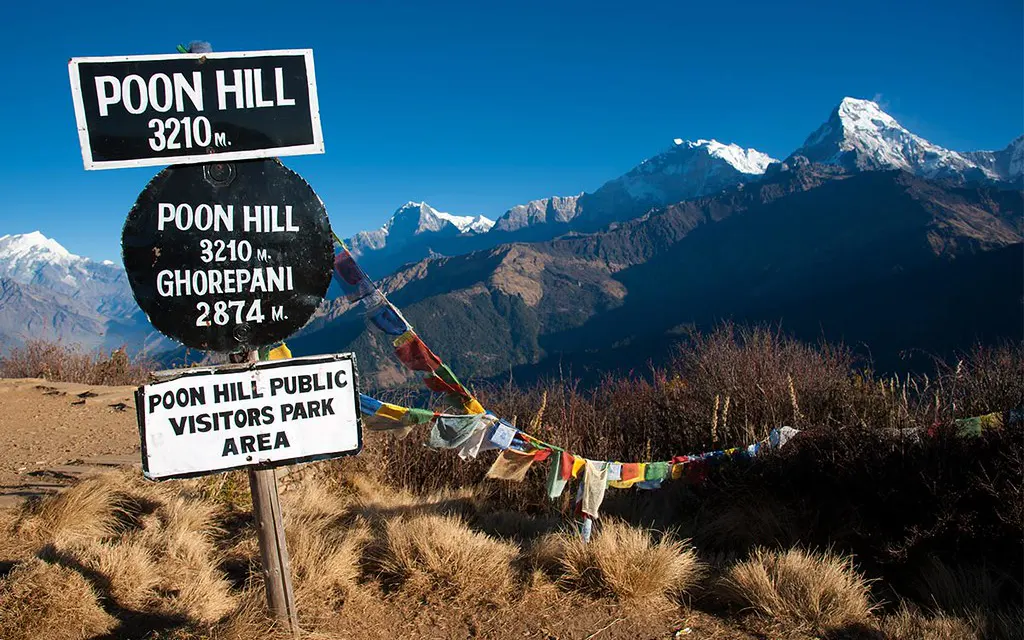
If you want to experience trekking in Nepal without spending several weeks at high altitude, the Ghorepani Poon Hill Trek is a practical option. Enjoy the path through typical mountain villages, forests, stone stairs, and Annapurna region lookouts. Poon Hill (3,210 m / 10,531 ft) is the main attraction and is visited early in the morning.
For travelers planning their Nepal holiday in 2027, joining a fixed group can simplify arrangements. Instead, you can book a trip and join a group of other people planning to trek the same route.
The Ghorepani Poon Hill Trek Fixed Group Join 2027 offers a great package for solo travelers, couples, and small groups who prefer a more organized trek experience rather than arranging every trip detail themselves.
The route, itinerary, expected cost, departure information, best time to trek, accommodation, permits, preparation, and other practical details are all included.
 Ghorepani Poon Hill Trek Fixed Group Join 2027?
A fixed group trek is a scheduled departure where individual travelers and small groups can join the same organized trip. The main trekking route, along with the date and services, is planned in advance.
This means it is not a private trek. Private trips offer more flexibility in dates, pace and itinerary. Fixed group departures follow a set schedule, making planning easier and potentially offering a lower cost.
Another benefit of traveling in a group is that if you are traveling alone, you are not traveling alone. This is an opportunity to mingle with others whilst traveling with a guide who runs the route and organizes the day’s activities.
A fixed group trek can consist of:
- A planned departure date.
- Professional trekking guide
- Accommodation as per the tour plan
- Transportation
- Required permits
- Hiring trekking food, depending on the package
- Shared group arrangements
- Assistance from a trekking organization before and during the trip.
Services vary by operator, so confirm the package before paying.
Why Join the Ghorepani Poon Hill Trek in 2027?
The Poon Hill trek suits those who want a shorter Himalayan trekking experience. It’s less time-consuming than treks like the Manaslu Circuit or the Everest Base Camp trek.
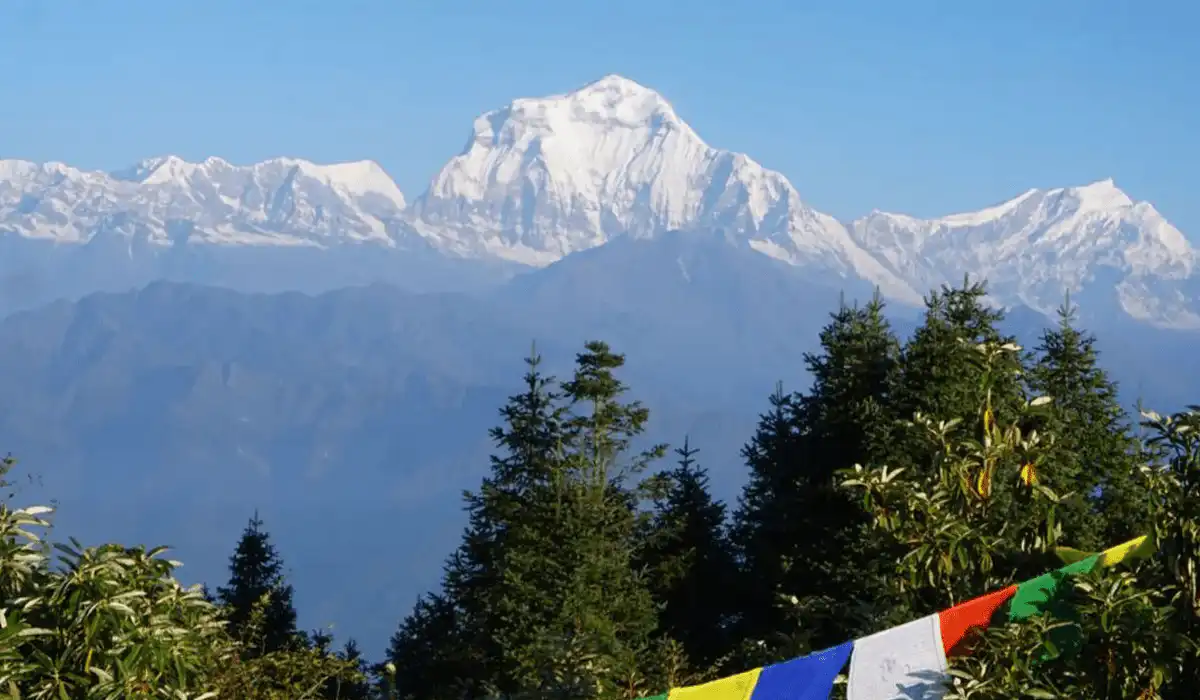
Over a few days, the trail takes you through several landscapes. We begin in the lower hills and gradually ascend through forests and villages to Ghorepani. It then heads up to Poon Hill in the early morning to enjoy views over the Annapurna and Dhaulagiri mountain ranges.
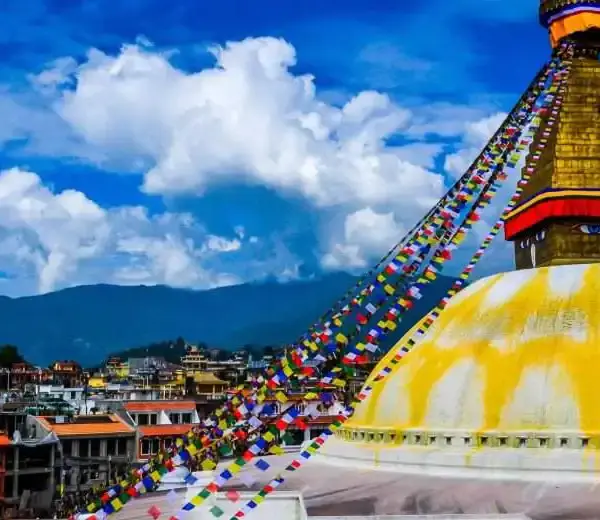
This route also offers a strong cultural component. Villages like Ghandruk and Ghorepani are part of the mountain community, and trekkers can stop in these villages to spend time there instead of just passing through.
If you already have a fixed date for your Nepal holiday, a fixed departure might be a good option. After confirming your trekking date, you can book your international flight, hotel in Kathmandu/Pokhara, and other activities around Kathmandu/Pokhara.
If you don’t want to book your own guide, car, and accommodation, you may save on planning by booking a group tour.
Ghorepani Poon Hill Trek vs Other Annapurna Treks: Which Route Fits Your 2027 Plans?
| Feature | Ghorepani Poon Hill Trek | Annapurna Base Camp Trek | Mardi Himal Trek | Annapurna Circuit Trek |
| Main experience | Short Himalayan trek with sunrise views and village walking | Trek into the Annapurna Sanctuary to the base camp | Ridge trekking with close views of Machhapuchhre | Long journey around the Annapurna massif |
| Typical duration | About 4 to 5 days for short versions | About 7 to 12 days depending on route | About 3 to 7 days depending on itinerary | About 14 to 21 days for longer versions |
| Highest point | Poon Hill, 3,210 m (10,531 ft) | Annapurna Base Camp, 4,130 m (13,550 ft) | Mardi Himal Base Camp, around 4,500 m (14,764 ft) | Thorong La, 5,416 m (17,769 ft) |
| Difficulty | Easy to moderate | Moderate | Moderate | Moderate to strenuous |
| Technical climbing | Not required | Not required | Not required | Not required |
| Main highlight | Sunrise from Poon Hill | Annapurna Sanctuary and base camp | High ridge views and Machhapuchhre | Crossing Thorong La and changing landscapes |
| Mountain views | Annapurna, Dhaulagiri, Machhapuchhre and surrounding peaks | Close views of Annapurna South, Annapurna I, Machhapuchhre and other peaks | close views of Machhapuchhre and the Annapurna range | Wide views across Annapurna and surrounding ranges |
| Landscape | Forest, villages, farmland and mountain viewpoints | Forest, river valleys, alpine terrain and sanctuary landscape | Forest, open ridges and high mountain terrain | Forest, valleys, high mountains and dry trans Himalayan landscapes |
| Cultural experience | Strong village experience around Ghorepani and Ghandruk | Gurung and other mountain communities | Village and forest communities | Gurung, Manang, Thakali and Tibetan-influenced communities |
| Highest altitude concern | Relatively lower | Moderate to significant | More significant because of higher elevation | Significant because of the high pass |
| Altitude above 3,000 m | Limited section around Ghorepani and Poon Hill | Several days at higher elevation | Several days at higher elevation | Extended period at high elevation |
| Best for short holidays | Yes | Less suitable if you have only a few days | Yes | No |
| Best for first Himalayan trek | Suitable for many beginners with reasonable fitness | Suitable for fit beginners with preparation | Better suited to trekkers comfortable with steeper terrain | Better suited to people prepared for a longer high altitude trek |
| Early morning viewpoint | Major part of the experience | Not the main focus | Sunrise and ridge views are important | Not the main focus |
| Stone steps | Many sections | Many sections | Some steep sections | Varies considerably |
| Teahouse accommodation | Yes | Yes | Yes | Yes |
| Road access | Road access has shortened some versions of the route | Road access can vary depending on the itinerary | Road access is available near some trailheads | Roads have changed some sections of the traditional route |
| Fixed group suitability | Very suitable for short scheduled departures | Suitable for organised group departures | Suitable for organised group departures | Suitable for longer organised departures |
| Solo traveller suitability | Good option for joining a fixed group | Possible through group departures | Possible through group departures | Possible through group departures |
| Approximate trekking commitment | Short | Medium | Short to medium | Long |
| Physical preparation | Basic to moderate preparation | Moderate preparation | Moderate preparation | More extensive preparation |
| Weather sensitivity | Rain and clouds can affect Poon Hill views | Weather affects high mountain sections | Weather can affect high ridge sections | Weather can affect the high pass and transport |
| Spring appeal | Rhododendron forests and comfortable trekking conditions | Flowers, forests and mountain views | Rhododendron forests and clear mountain scenery | Lower valleys become greener while high areas remain cooler |
| Autumn appeal | Generally good trekking conditions and mountain visibility | Generally favourable conditions | Generally favourable conditions | Popular period for the high pass |
| Winter considerations | Cold but possible with suitable preparation | Colder and potentially snowy at higher elevations | Snow can affect higher sections | High pass conditions can become difficult |
| Monsoon considerations | Rain, mud, leeches and reduced visibility | Wet lower trails and cloud | Rain and fog can affect the ridge | Weather and road conditions can complicate travel |
| Ideal traveller | Someone wanting a short and manageable introduction to Himalayan trekking | Someone wanting to reach a famous Himalayan base camp | Someone wanting higher ridge walking and closer mountain views | Someone wanting a long journey with major changes in scenery |
| 2027 planning priority | Confirm fixed departure date and group availability | Confirm duration and route variation | Check high camp and base camp conditions | Check pass conditions, acclimatization plan and transport |
| Main things to consider | Short route means less time in the high mountains | Higher altitude and longer walking days | Steeper and higher ridge sections | Long duration and high Thorong La crossing |
Ghorepani Poon Hill Trek Route and Itinerary
The trek may slightly differ from one trekking company to the next, especially for their pick-up and drop-off. The typical short trekking route from Pokhara starts from the Pokhara area and goes up Tikhedhunga, Ghorepani, Poon Hill and Ghandruk and then back to Pokhara.
| Day | Route | Approx. Elevation | Main Activity | Day |
| Day 1 | Pokhara to Nayapul and trek to Tikhedhunga | 1,540 m (5,052 ft) | Drive and trek | Day 1 |
| Day 2 | Tikhedhunga to Ghorepani | 2,874 m (9,429 ft) | Uphill trek through villages and forests | Day 2 |
| Day 3 | Ghorepani to Poon Hill and Ghandruk | Poon Hill 3,210 m (10,531 ft) | Sunrise and long trekking day | Day 3 |
| Day 4 | Ghandruk to Pokhara | 1,940 m (6,365 ft) at Ghandruk | Trek or road transfer and return to Pokhara | Day 4 |
The distances and walking times may fluctuate depending upon the specific trail and road conditions. The four-day route is thus not guaranteed to produce the same length of walk each year, but is meant to serve as a practical route structure.
4 Days Ghorepani Poon Hill Trek
If you want to experience trekking in Nepal without spending several weeks at high altitude, the Ghorepani Poon Hill Trek is a…
Day 1: Pokhara to Nayapul and Trek to Tikhedhunga
The journey starts with a drive from Pokhara to Nayapul. The path from the trailhead runs through village paths and slopes gently up through the lower hills.
The first day isn’t very steep, but you’ll still walk up and down hills, which can be tedious if you’re not used to it.
Tikhedhunga sits at around 1,540 m (5,052 ft). You normally spend the night in a local teahouse.
The first day lets you get used to the trekking pace toward Ghorepani.
Day 2: Tikhedhunga to Ghorepani
On the second day, you’ll do a good portion of uphill walking.
One interesting feature is the extended stone stairway encircling Ulleri. The trail passes through the village again, then through forest and mountain villages to a higher section of the trail.
Ghorepan sits at around 2874m (9429ft). The climate changes once you reach the village, as the lower hills are warmer.
Spend the afternoon resting and getting ready to climb to Poon Hill early in the morning.
Day 3: Ghorepani to Poon Hill and Ghandruk
Day 3 starts very early.
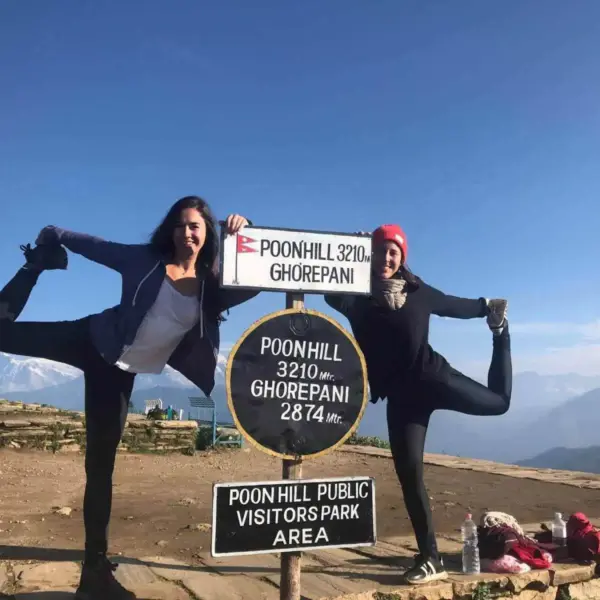
Usually, trekkers depart from Ghorepani before dawn and trek uphill to Poon Hill. The viewpoint is at 3210 m (10531 ft), the highest point on the standard route.
On reaching Ghorepani, you’ll head to Ghorepani village for breakfast, then continue to Ghandruk.
Much of the path varies significantly during the descent. The higher surroundings of Ghorepani give way to forest paths and mountainous scenery.
Ghandruk sits at about 1940m (6365ft). It is a well-known Gurung community and offers a completely contrasting environment from Ghorepani.
This is one of the most challenging and longest walks for many hikers.
Day 4: Ghandruk to Pokhara
On the last day, you leave Ghandruk and head back towards Pokhara.
Depending on road conditions and the official route, you may walk part of the way before continuing by road.
Once in Pokhara, you may proceed with your plans for your tour in Nepal or spend another night in Pokhara.
2027 Fixed Departure Dates
Please check the fixed departure dates for 2027 with the organizing agency. The company may enter its departure dates in the table below if it has already announced its calendar.
| Departure Date 2027 | Duration | Price |
| September to December | 4 Days | 350 USD |
| January to February | 4 Days | 320 USD |
| March to May | 4 Days | 350 USD |
| Jun to August | 4 Days | 320 USD |
| Private Trip | 4 Days | 450 USD |
The advantage of a fixed departure is that you know the planned trekking dates before you come to Nepal. This simplifies the arranging of flights and other activities.
Also, confirm that the departure is guaranteed before booking, the group size, and what happens if the minimum group size is not met.
Also check the accommodation standard, transport arrangements, meals, guide service, permit handling, and porter arrangements.
Ghorepani Poon Hill Trek Cost in 2027
Several factors influence trek cost. Price can vary based on group size, transportation, accommodation, meals, guide service, permits, and the number of trekking days.
My Everest Trip currently lists its four-day Ghorepani Poon Hill Trek from US$320 per person, with published pricing varying by group size. These are current prices which should not be assumed to be the final fixed 2027 departure price.
Other guided Poon Hill trekking packages are available now, too, with different packages at varying prices. As a general planning figure, travelers can budget around US$350 to US$550 per person for a standard organized Poon Hill trek in 2027.
This is a market range, not a 2027 quotation.
| Cost Item | Estimated Amount |
| Organised group trek | Around US$320 to US$450 |
| Personal expenses | Around US$50 to US$100 |
| Travel insurance | Depends on policy |
| International flights | Not included |
| Nepal visa | Not normally included |
More people and a basic mix might cost less in the end, but more people, private rooms, or extra services might cost more.
You also need to account for personal expenses. Please bring extra funds for bottled or treated water, hot showers, snacks, drinks, charging, and tips.
Permit costs may also vary by government, so we recommend reviewing them before travel in 2027.
What Is Included in the Trek Cost?
The specifics of what is included will vary from package to package. Usually, an organized fixed group trek will have the following:
- Transportation according to the itinerary
- Trekking guide
- Teahouse accommodation
- Meals during the trekking section
- Required permits
- Guide expenses
- Government taxes where applicable
- Basic first aid support
My Everest Trip currently lists transportation, accommodation, meals outside Kathmandu, a government-licensed guide, permits, first-aid supplies, travel and rescue arrangements, and government taxes among its inclusions.
When considering prices between trekking companies, compare prices against the inclusion list. A cheaper package may not cover other services.
What Is Usually Not Included?
Typical exclusions include:
- International airfare
- Nepal visa
- Travel insurance
- Personal trekking equipment
- Personal shopping
- Alcoholic and bottled drinks
- Laundry
- Tips
- Extra accommodation
- Extra transportation
- Emergency expenses not covered by the package
Please confirm porter service separately. My Everest Trip’s current package information lists porter or luggage carrying service separately from its inclusions, so travelers should confirm the arrangement for their particular 2027 booking.
What to Expect at Poon Hill
The highlight of the hike is the sunrise view from Poon Hill (3210 m /10,531 ft).
The walk starts early in the morning. A headlamp and warm clothing are essential as morning temperatures may be cold.
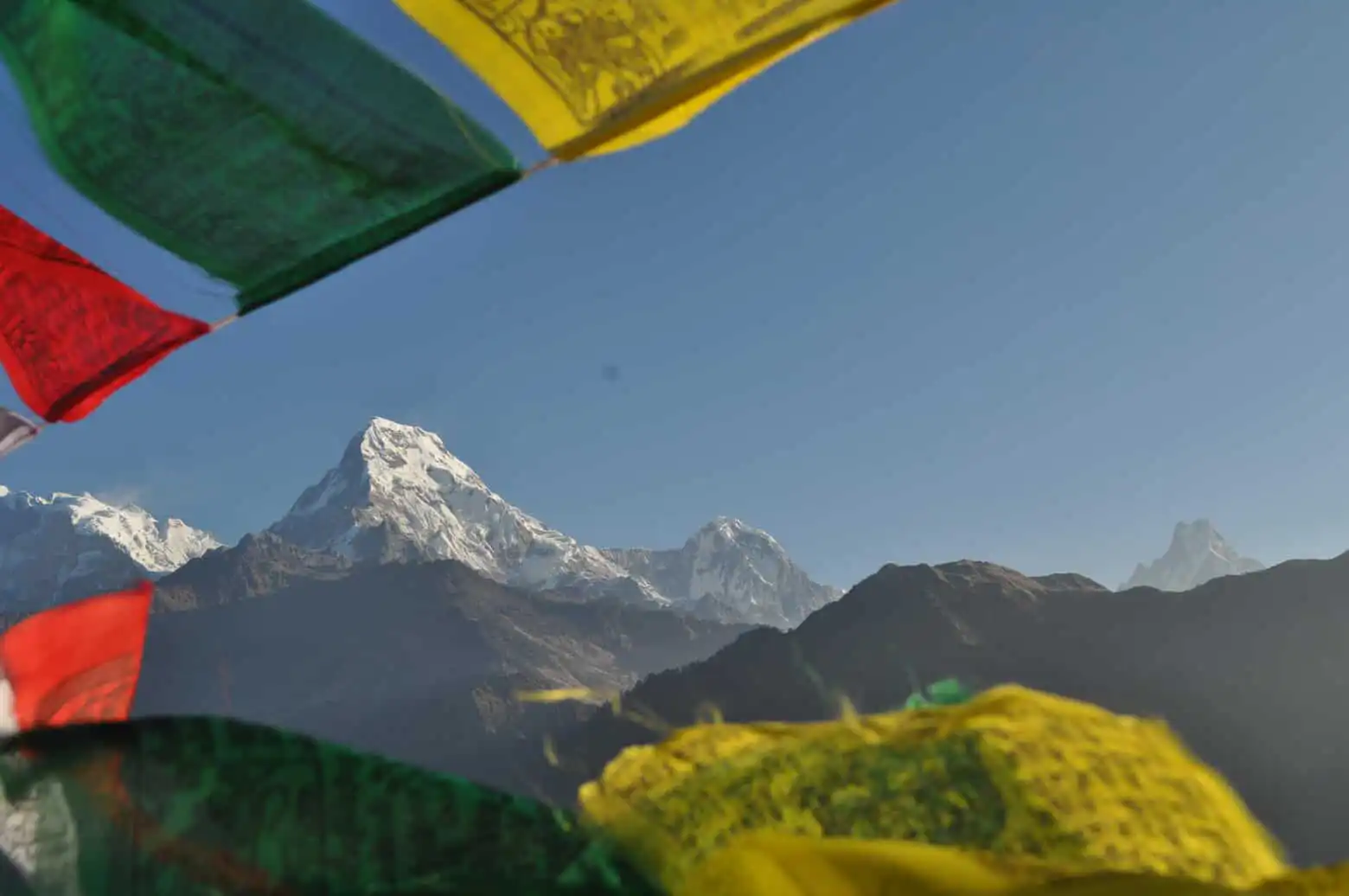
At the viewpoint, if the weather is clear, you can see the surrounding mountains. The scenery can include views of Dhaulagiri, Annapurna I, Annapurna South, Machhapuchhre, and other peaks.
The weather is an important factor. Clouds or fog may cover the mountains, so no trekking company can guarantee a clear sunrise.
But that’s not the only way the experience is limited. The hike through forests, villages, and stone stairs is a major part of the walk.
Best Time for Ghorepani Poon Hill Trek 2027
While you can do the Poon Hill Trek in various seasons, trail conditions and weather vary greatly by season.
Spring and autumn are typically the best times, as they generally offer great trekking conditions and stunning mountain views.
| Month | Weather and Temperature | Trail Conditions | Mountain Views | Crowds | Overall Trekking Conditions |
| January | Cold, especially mornings and nights | Possible frost or snow at higher sections | Can be clear on good days | Low | Possible but requires warm clothing |
| February | Cold with gradually improving conditions | Generally manageable | Often good on clear mornings | Low to moderate | Suitable for prepared trekkers |
| March | Warmer days and cool mornings | Generally good | Usually improving | Moderate | Good time to trek |
| April | Mild to warm daytime conditions | Good | Generally good | Moderate to high | Very good |
| May | Warmer with increasing pre-monsoon cloud | Mostly good, but rain can begin later | Good early in the month | Moderate | Good, especially early May |
| June | Monsoon begins | Wet and slippery in places | Frequently cloudy | Low | Less favourable |
| July | Frequent monsoon rain | Muddy and slippery | Limited visibility | Low | Generally not preferred |
| August | Wet conditions continue | Muddy, with possible trail disruption | Often cloudy | Low | Generally not preferred |
| September | Rain gradually decreases | Conditions improve | Visibility often improves later in the month | Moderate | Good later in the month |
| October | Generally stable autumn weather | Usually good | Often clear | High | One of the most popular periods |
| November | Cool and generally dry | Good | Often clear | Moderate to high | Very good |
| December | Cold mornings and nights | Generally dry, possible snow at higher points | Often clear | Low | Suitable for winter preparation |
The Nepal Tourism Board considers spring and autumn the peak seasons for trekking in the Annapurna region.
Spring: March to May
Spring is a popular time to visit, as the overall climate tends to be mild. Rhododendrons might also be blooming, especially in March and April.
April is typically a busy month, so fixed group departures can help travelers with specific travel dates in mind.
Autumn: September to November
Autumn is another strong period for the trek.
Some monsoon influence remains in September, especially in the first part of the month. Conditions normally become more stable as the month progresses.
October and November are generally popular due to cooler weather, relatively dry trails, and good visibility on suitable days.
Winter: December to February
Winter is quieter, but colder.
The lower parts of the route may be nice during the day, but mornings and evenings at higher villages can stay very chilly.
For winter fixed departures, be sure to wear appropriate warm clothing and be prepared for changing weather and trail conditions.
Monsoon: June to August
The Annapurna region rains regularly during monsoon.
The trail can be muddy and slippery, and clouds may block mountain views. Lower, wet trails may also have Leeches.
You can do the hike in certain weather conditions, but it may not appeal to those who want clear mountain views.
How Difficult Is the Ghorepani Poon Hill Trek?
The Ghorepani Poon Hill Trek is an easy-to-moderate trek in the Himalayas and a good fit for most people.
The biggest physical challenge is not technical climbing. Rather, it is the constant uphill and downhill walking.
The stretch of the stone stairs around Ulleri may be tiring. Another steep ascent is to get to Poon Hill early in the morning; the third day may be a long walk, as the viewpoint and the trek to Ghandruk make for a long day.
However, altitude is not as much of an issue on this route as on many other longer routes in the Himalayas, with a maximum of 3210m (10531ft) to consider.
Preparing the legs for the trip with regular walking and stair climbing helps.
Accommodation During the Trek
Standard accommodation is a teahouse along the way.
Rooms are typically very basic, and they usually provide beds and simple furniture. Twin sharing is common on organized group treks.
Bathrooms are communal; hot showers are an additional fee at some lodges.
The dining room is typically the common room. Trekkers eat meals there, spend time together, and prepare for the next day’s walk.
Standard is functional and not fancy. Villages also differ in facilities, and you should expect to find different facilities than in Kathmandu and Pokhara.
If you want to experience trekking in Nepal without spending several weeks at high altitude, the Ghorepani Poon Hill Trek is a…
Food During the Trek
Food is available along the Poon Hill route.
Common choices include Dal bhat, Rice, Noodles, Pasta, Soup, Potatoes, Eggs, Bread, Vegetables, Tea, Coffee, etc.
Dal bhat is a popular trekking food because it’s filling and includes a variety of rice, lentils, and vegetables.
Vegetarian food is usually available, but if you have a food allergy or specific dietary needs, notify the trekking company beforehand.
Permits for the Ghorepani Poon Hill Trek
Trekking in the Annapurna Conservation Area requires a conservation area entry permit.
The Nepal Tourism Board currently lists the Annapurna Conservation Area entry fee at NPR 3,000 for foreign visitors from outside SAARC countries. Government taxes may vary, so check the current rate before your 2027 trip.
| Permit | Current Fee | Who Needs It? | Purpose | How It Is Arranged |
| Annapurna Conservation Area Permit (ACAP) | NPR 3,000 for foreign visitors; NPR 1,000 for SAARC nationals | Trekkers entering the Annapurna Conservation Area | Supports conservation and management of the protected area | Usually arranged by the trekking agency |
| TIMS Card | NPR 2,000 for non-SAARC trekkers; NPR 1,000 for SAARC trekkers | Trekkers on the Poon Hill route | Records trekker information and supports trekking safety and monitoring | Arranged through a registered trekking agency |
| Restricted Area Permit | Not required | Not applicable to the standard Poon Hill route | Applies to designated restricted trekking areas | Not applicable |
Confirm the applicable TIMS requirement for your 2027 departure, as trekking permit procedures can change.
If you book with an organized trekking company, such as My Everest Trip, then you’re usually responsible for the permits when you book through them.
What Should You Pack?
The trek doesn’t require mountaineering equipment, but your packing should match the season.
Clothing
- Trekking trousers
- T-shirts
- Fleece layer
- Warm jacket
- Waterproof jacket
- Trekking socks
- Gloves
- Warm hat
- Sun hat
Trekking Equipment
- Comfortable trekking shoes
- Small daypack
- Water bottle
- Headlamp
- Trekking poles
- Sunglasses
- Sunscreen
- Power bank
Personal Items
- Personal medication
- Basic toiletries
- Passport copies
- Insurance documents
- Some Nepalese cash
- Small first aid supplies
You’ll need more warm clothing in winter and waterproof protection in the monsoon.
Health and Safety
Although the highest point is only 3,210 m (10,531 ft), the trek still involves significant physical effort.
Take your time to walk at your own speed, not the fastest person in the group.
Drink plenty of water, eat regular meals, and let your guide know if you are not feeling well.
Wear good shoes, as the stone steps can get slippery when wet. Trekking poles may also be useful on steep downhills.
Travel insurance is suggested. Your policy should cover the highest point you will trek to, and you should have sufficient medical and emergency evacuation insurance.
Is the Trek Suitable for Solo Travelers?
Yes. A group departure is a fixed group that leaves on a certain date.
While you don’t need to arrange a fully private trip, you can join other trekkers. The guide leads the trek, and you can meet other people along the way.
However, before booking, ask if the departure is guaranteed and if there is a minimum number of participants.
You should also ask about sharing rooms and whether a single room is available for an extra charge.
Practical Tips for Joining a Fixed Group in 2027
- Confirm the departure date. Ensure it is compatible with your international travel itinerary and other travel arrangements in Nepal.
- Ask about the group size. This can impact the experience and room setup.
- Check what the price includes. Compare the meals, permits, accommodation, transportation and guide service.
- Confirm porter arrangements. Don’t expect to carry your bags.
- Get ready for the sunrise on Poon Hill. This walk starts early and may be chilly.
- Carry some cash. Drinks, showers, charging, and snacks will cost extra.
- Check insurance. Make sure your policy covers trekking and the maximum elevation.
- Pack for the season. You’ll need different attire in January and April.
- Allow some flexibility. Sometimes transportation is interrupted because of road conditions and weather.
Frequently Asked Questions
May I hike the Poon Hill fixed group trek as an individual?
Yes. Scheduled group departures are available for individual travellers to join, depending on the organiser’s booking requirements.
When is the highest point on the hike?
The highest point is Poon Hill at 3,210 m (10,531 ft).
How long is the Ghorepani Poon Hill Trek?
My Everest Trip offers a 4-day version, but other companies may offer longer versions depending on the route and modes of travel.
Would Poon Hill be good for beginners?
Yes, many first-time trekkers complete the trail. Good fitness is still required due to the stone steps and steep inclines.
What will it cost to go on the hike in 2027?
For an organized trek, a reasonable cost to plan for is around US$350 to US$550 per person. Cost is dependent upon the operator, group size and services provided.
Is the price for 2027 already set?
Please use only a price that is published and confirmed by the trekking company and is the final price for 2027. Current prices are for planning only and are subject to change.
Do I need permits?
Yes. Please check the appropriate Annapurna Conservation Area permit and TIMS requirements before you depart.
Do I need a porter?
Although a porter isn’t necessary, it can help by sharing some of the weight. See if they provide porter services with the package.
Can I see Annapurna from Poon Hill?
Yes. On sunny days, the viewpoint offers vistas towards several summits in the Annapurna and Dhaulagiri ranges.
What should I take on my sunrise trip?
Take an extra layer, gloves, a headlamp, water, and appropriate walking boots. Early mornings can be much colder than the day.
Final Thoughts
Trekker users who don’t want a long trek to the Himalayas can take advantage of the Ghorepani Poon Hill Trek Fixed Group Join 2027. This walk offers a mix of mountain scenery, village life, forest paths, and a sunrise view at Poon Hill (3210 m /10531 ft).
A fixed departure may also facilitate planning for solo travelers and small groups. You can book a trekking day, even if you cannot plan every aspect of the trek yourself.
Before booking the package, confirm the 2027 departure date first, along with exactly what the package includes. Be aware of the accommodation, transportation, permits, meals, guide service, porter and the final price.
For 2027 departures, please check the available dates on My Everest Trip and contact the team to confirm the current price, group availability, and booking dates.