


Guide for Everest Base Camp Trek From the UK
Guide for Everest Base Camp Trek From UK? It is a logistical nightmare to plan an Everest Base Camp Trek from the UK, thousands of miles away from Nepal. The journey involves multiple flights, visa arrangements, acquiring a permit, and hiring a guide and a porter; the checklist necessary for successful trek completion seems endless. But let us assure you, it is very minimal compared to the EBC trek that you have decided to do.
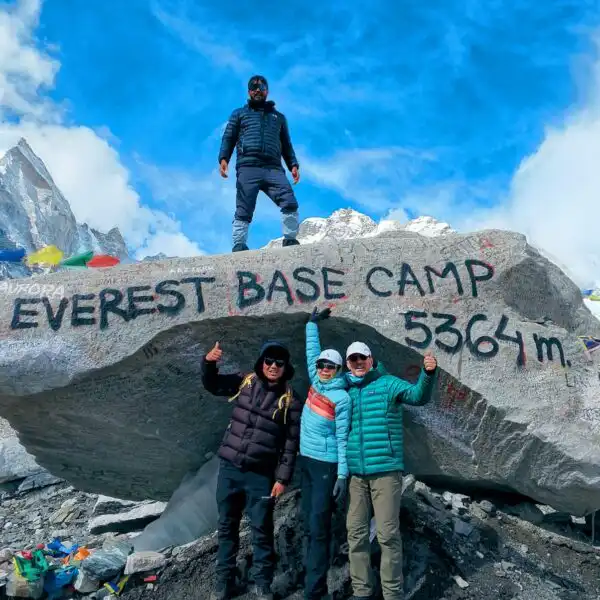
Everest Base Camp Trek 12 days
Guide for Everest Base Camp Trek From the UK Guide for Everest Base Camp Trek From UK? It is a logistical nightmare…
What you need while planning this trek is a place where you can extract all the information, both regarding your travel to Nepal and the EBC Trek. This Guide to Everest Base Camp Trek from the UK is precisely that. This article compiles everything from your beginning phase while preparing for the trek in the UK to doing it in Nepal.
Planning the Everest Base Camp Trek from UK

Choosing a Trekking Agency
A trekking agency will ensure a safe experience and provide logistical support, such as travel (after arriving in Nepal), accommodations, trekking permits, guides, and porters. An agency is crucial as it allows you to focus on the trek. When choosing a trekking agency:
- Look for the one registered with the Trekking Agencies Association of Nepal (TAAN)
- Check the reviews or seek suggestions from friends, colleagues, or families who have previously trekked with agencies.
- Compare the prices of different agencies and look for the services offered.
Note: Some UK-based operators offer EBC Trek. You can also look into them.
Deciding Time
Deciding the time doesn’t simply mean choosing the peak seasons for EBC trekking. It means setting aside at least two to three weeks from your busy schedule. You must coordinate your holidays with work or speak with the boss if you are a working individual.
If you have a flexible work schedule, choose spring (March to May) and autumn (September to November) for the trek. However, you should also consider what you prefer. Winter (December to February) and summer/monsoon (June to August) are your months if you seek challenge.
Deciding Itinerary
After deciding on the trekking month, it is time to determine the itinerary. It is crucial for a smooth and hassle-free trekking experience. It is also helpful in managing the logistics and budgeting. If you can manage at least three weeks, a 14-day itinerary (provided below) will be enough to complete the trek.
If you are a beginner, you can customize the itinerary for longer days. You can go on a 12-day EBC Trek if you have less time. You can also go on a Luxury Everest Base Camp Trek, which offers a helicopter ride from Gorakshep to Lukla, reducing the extra days.
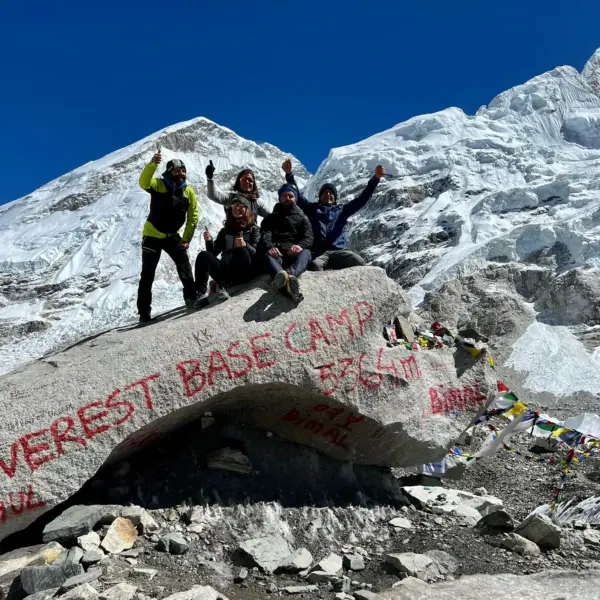
10 Days Luxury Everest Base Camp Trek
Guide for Everest Base Camp Trek From the UK Guide for Everest Base Camp Trek From UK? It is a logistical nightmare…
Note: Ensure you separate a day or two for acclimatization while preparing your itinerary. Acclimatization is crucial to dealing with altitude sickness, as it allows your body to adapt to the decreasing oxygen level.
Obtaining a Visa to Nepal
UK citizens must obtain a visa to enter Nepal. Obtain a visa for the duration of your stay in Nepal. Please note that overstaying is a serious crime with heavy fines or imprisonment. There are two ways to get a visa. They are:
- Visa on arrival: Apply online 15 days in advance and get the visa on arrival. You must pay the Tribhuvan International Airport (TIA) Kathmandu visa fee.
- In advance: Apply at the Nepal Embassy in the UK or another country.
Physical and Mental Preparation
Everest Base Camp Trek is one of the most popular treks but also challenging. Its difficulty level is defined by its remoteness, rugged terrain, altitude, unpredictable weather, and risk of altitude sickness. Hence, you must be in optimal physical and mental condition to complete this trek. Here is what you can do for physical and mental preparation in the UK.
Physical Preparation
Since the trek is physically demanding, you must train your body to handle the prolonged walking and thinning air. Your training should consist of cardiovascular and leg-strengthening exercises. Running, swimming, stair climbing, short hiking, squats, etc, are some of the exercises you should focus on.
Mental Preparation
Since the trek is physically demanding, it can also be mentally taxing. You have to be able to handle the stress while trekking. You have to be prepared to handle the unforeseen challenge. For that, you have to be mindful and calm. Meditating and breathing exercises are some exercises you can concentrate on. Moreover, focus on research as it mentally prepares you.
Arriving in Nepal
Personnel from the Trekking agency will receive you at the TIA and drive you to the hotel of your choice. Before that happens, you must declare cash over USD 5,000 in banknotes or USD 10,000 (banknotes + traveler’s cheques) at the TIA. You must take care of a few things before your trek starts the next day.
You have first to hear a briefing about the trek from your guide. And, since there aren’t any ATMs in the Everest region, you have to exchange the pound sterling for the Nepalese Rupees at the money exchange. If you require any gear, equipment, or personal items, you have to obtain them, too.
Necessary Documents for EBC Trek For UK Citizens
- Passport: Must be valid for at least 6 months beyond the entry date.
- Nepal Visa: Required for entry into Nepal.
- Permits: Sagarmatha National Park Entry Permit and Khumbu Pasang Lhamu Rural Municipality Entrance Permit for trekking.
- Travel Insurance: It should cover high-altitude trekking (above 5,000m), emergency evacuation & helicopter rescue, and medical expenses.
- Flight Tickets: An International flight (UK to Kathmandu) and a domestic flight (Kathmandu to Lukla and back).
- Accommodation Confirmation (Optional but Recommended): Provide proof of your first-night stay in Kathmandu (e.g., hotel booking).
- COVID-19 & Health Documents (If required)
- Emergency Contact Details: Contact details of the insurance provider and embassy.
Everest Base Camp Trek Cost From UK

Depending upon your length of stay, your trekking style, and the extra expenses, the total price for Everest Base Camp Trek from the UK can exceed £2,500. The budget trek will range from £2,500 to £3,000 (total including your flights, insurance, etc.). On the other hand, the luxury trek costs you more than £4,000.
EBC Trek Packages
The 14-day EBC Trek Trek package starts at around £1,080. It includes the prices of permits, transportation for trekking, meals and accommodations during the trek, and the salaries of guides and porters.
The price of the package varies depending on your choice. A package with fewer days will be cheaper than one with longer durations. Remember that no matter which option you choose, it will include all the government taxes and tourist service charges.
Extra Expenses
The extra expenses refer to the amount you will spend that is not part of the trekking package. They include the flight price from the UK to Nepal, visa, travel, and insurance. Those expenses also fall under this category if you don’t have gear and equipment.
Moreover, Miscellaneous costs include all expenses like prices for extra foods and drinks during the trek, tips for the guide and porter, accommodation, meals during your time in Kathmandu, souvenirs you buy, expenses for extra days, travel insurance, and so on.
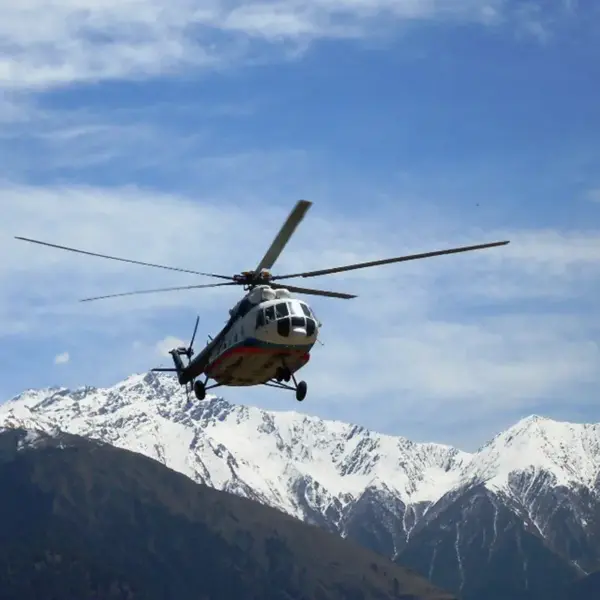
Everest Base Camp Helicopter Trek
Guide for Everest Base Camp Trek From the UK Guide for Everest Base Camp Trek From UK? It is a logistical nightmare…
Estimated Cost Table
The table below provides the approximate cost range for the different kinds of expenses you will do during the trek:
| Category | Estimated Cost (GBP) (~USD) | Notes |
| Flights (UK to Kathmandu, round-trip) | £500 – £1,200 (~$630 – $1,500) | Prices vary by season and airline |
| Nepal Visa (30 days) | £40 (~$50) | 15 Days: £24 ($30), 90 Days: £100 ($125) |
| Domestic Flights (Kathmandu to Lukla, round-trip) | £320 (~$415) | Subject to weather delays |
| Trekking Permits | £40 (~$50) | Includes Sagarmatha National Park & Khumbu Municipality permits |
| EBC Trek Package (Logistics, Guide, Porter, Accommodation, Meals) | £800 – £1,500 (~$1,000 – $1,900) | Varies by operator & inclusions |
| Accommodation in Kathmandu (per night) | £32 – £400 (~$40 – $500) | Budget to luxury options |
| Meals in Kathmandu (per day) | £20 – £28 (~$25 – $35) | |
| Travel Insurance | £120 – £200 (~$150 – $250) | Must cover high-altitude trekking |
| Gear & Equipment | £1,600 – £2,400 (~$2,000 – $3,000) | If you are buying everything from scratch. Consider renting as it is cheaper |
| Miscellaneous (water, Wi-Fi, tips, etc.) | £100 – £200 (~$125 – $250) | Includes drinking water, hot showers, tipping guides/porters |
Packing Essentials for UK Trekkers

The packing list for EBC Trek is as follows:
- Clothing: Base layers (2-3, merino wool), fleece jacket, insulated down jacket, waterproof jacket & trousers, trekking trousers (2 lightweight, one warm), gloves (thermal & waterproof), beanie, sun hat, buff/neck gaiter
- Footwear: Broken-in hiking boots, camp shoes/sandals, warm trekking socks (4-5 pairs), liner socks (optional)
- Gear: Backpack (40-50L), small daypack (20L), trekking poles, sleeping bag (-10°C comfort rating), sleeping bag liner (optional)
- Accessories: UV-protection sunglasses, headlamp + spare batteries, water bottles (2L total) or hydration bladder, dry bags/stuff sacks, lightweight towel
- Toiletries: Sunscreen (SPF 50+), lip balm (SPF), wet wipes, biodegradable soap, toothbrush & toothpaste, deodorant, menstrual products (if needed), nail clippers, small comb/brush
- First Aid & Meds: Diamox (for altitude), ibuprofen/paracetamol, blister plasters (Compeed), antiseptic cream, band-aids, personal prescriptions, hand sanitizer
- Miscellaneous: Passport & permits, travel insurance documents, cash (NPR/USD for teahouses & tips), snacks (energy bars, nuts), power bank (20,000mAh), charging cables, earplugs, notebook & pen
Best Time to Trek Everest From UK
Autumn (September to November) and Spring (March to May) are considered the best time for EBC Trek. These months have moderate temperatures, which are comfortable for trekking. Moreover, the weather is stable and predictable. In these months, nature also comes to life. Below are the pros and cons of the spring and autumn seasons.
Pros (Spring & Autumn)
- Best Weather: Stable conditions with mild temperatures (daytime: 10-20°C, nights: -5 to -10°C).
- Clear Views: Autumn offers crystal-clear skies, while spring provides scenic mountain views with blooming rhododendrons.
- Festive Experience: Autumn has Dashain and Tihar festivals, adding cultural richness.
- Less Harsh Conditions: Spring has less wind, making high-altitude trekking more comfortable.
- Reliable Flights: Fewer weather-related delays for Lukla flights compared to winter and monsoon seasons.
Cons (Spring & Autumn)
- Crowded Trails: Peak season means more trekkers, busy teahouses, and higher demand for accommodation.
- Higher Costs: Due to demand, lodging, flights, and guides may be higher.
- Visibility Issues: Spring may have haze in lower valleys, while autumn can bring occasional early snowfall.
Everest Base Camp Trek Itinerary
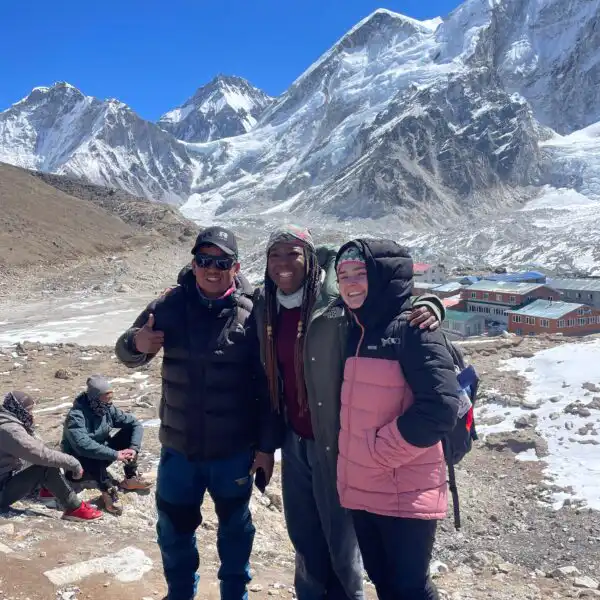
Below is an example of a 14-day Everest Base Camp Trek itinerary. You can optimize the itinerary per your schedule, experience, and trekking style.
Everest Base Camp Trek by Road – 15 Days
Guide for Everest Base Camp Trek From the UK Guide for Everest Base Camp Trek From UK? It is a logistical nightmare…
Everest Base Camp Trek Itinerary

Below is an example of a 14-day Everest Base Camp Trek itinerary. You can optimize the itinerary per your schedule, experience, and trekking style.
| Day | Activity | Elevation (m) | Trekking Distance | Trek Duration |
| 1 | Arrival in Kathmandu, Explore Durbar Square/Thamel | 1,400m | – | – |
| 2 | Fly to Lukla, Trek to Phakding | 2,610m | 8km | 3-4 hrs |
| 3 | Trek to Namche Bazaar | 3,440m | 10-12 km | 6-7 hrs |
| 4 | Acclimatization Day in Namche Bazaar | 3,440m | 3-4 km | 3-4 hrs |
| 5 | Trek to Tengboche | 3,860m | 10-11 km | 5 hrs |
| 6 | Trek to Dingboche | 4,410m | 11-12 km | 5 hrs |
| 7 | Acclimatization Day in Dingboche, Hike to Nagarjun Hill | 5,100m | 5-6 km | 4-5 hrs |
| 8 | Trek to Lobuche | 4,910m | 10-12 km | 5 hrs |
| 9 | Trek to Gorakshep, Everest Base Camp, Return to Gorakshep | 5,364m | 14-15 km | 8 hrs |
| 10 | Hike to Kalapatthar for Sunrise, Trek to Pheriche | 5,545m | 13-14 km | 7 hrs |
| 11 | Trek to Namche Bazaar | 3,440m | 14-15 km | 7 hrs |
| 12 | Trek to Lukla | 2,800m | 18-19 km | 7 hrs |
| 13 | Flight back to Kathmandu, Farewell Dinner | 1,400m | – | – |
| 14 | Sightseeing and Return to Home Country | 1,400m | – | – |
Conclusion
Despite the exhausting planning and physical demands, reaching the Everest Base Camp from the UK is an achievement to be celebrated. Traveling all the way from UK and hiking to the Everest Base Camp requires immense planning and preparation. It will also test your endurance. But the mountain views, cultural experience, thrill, and joy—the reward—are worth the hassle. We hope this guide has helped you grasp the process involved. If you require any further assistance, please don’t hesitate to contact us.