

11 Days


Quick Facts

Private Vehicle

Hotel, Tent

Breakfast, Lunch, and Dinner

Hiking , Sightseeing

Oct-Dec & Mar-May

Moderate

Bhutan

4,890 m
US$ 0 per person
- 24/7 Customer Support
- Experienced and Professional Team
- Hassle-Free and Easy Booking
- 99% Customer Satisfaction
- Fair Prices, Exceptional Service
- No Hidden Costs and Secure Payments
- Tailored and Personalized Itineraries
24 X 7 Live Support

Puru (+977-9851069558)
Why Bhutan Jomolhari Trek – 11 Days?
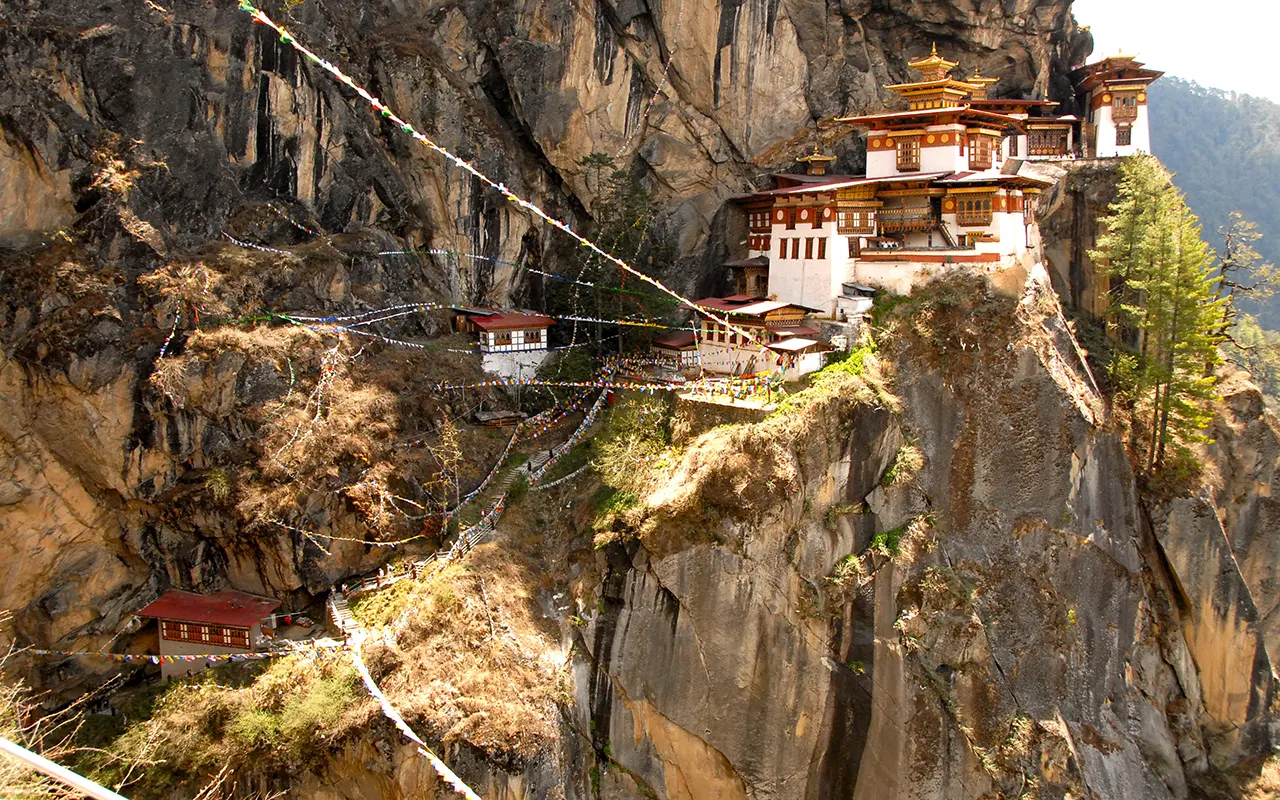
- Hike to the Tiger’s Nest Monastery, which is situated on a cliff above Paro Valley
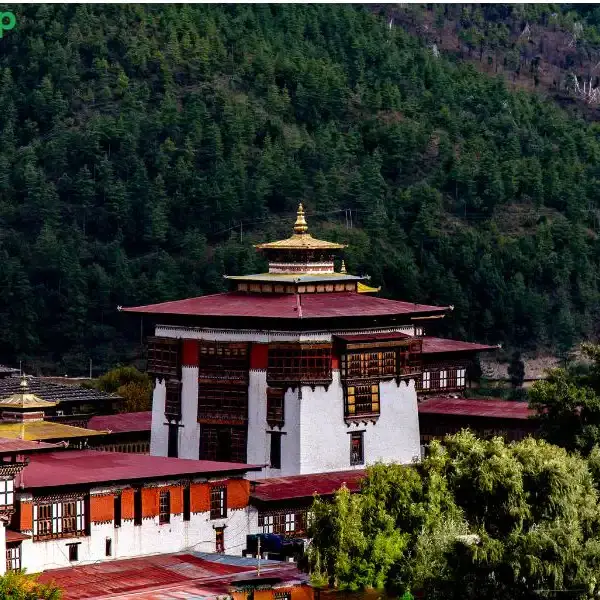
- Visit the traditional town of Paro and learn about the old architecture of Bhutan
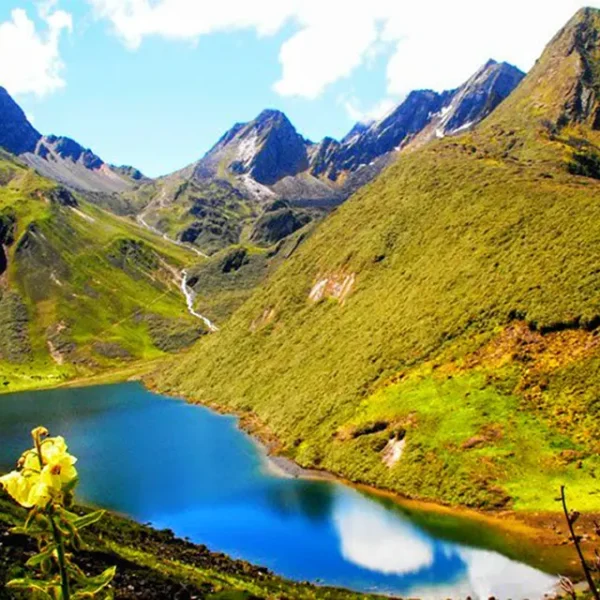
- Walk through alpine areas, river valleys and forests in Jigme Dorji National Park
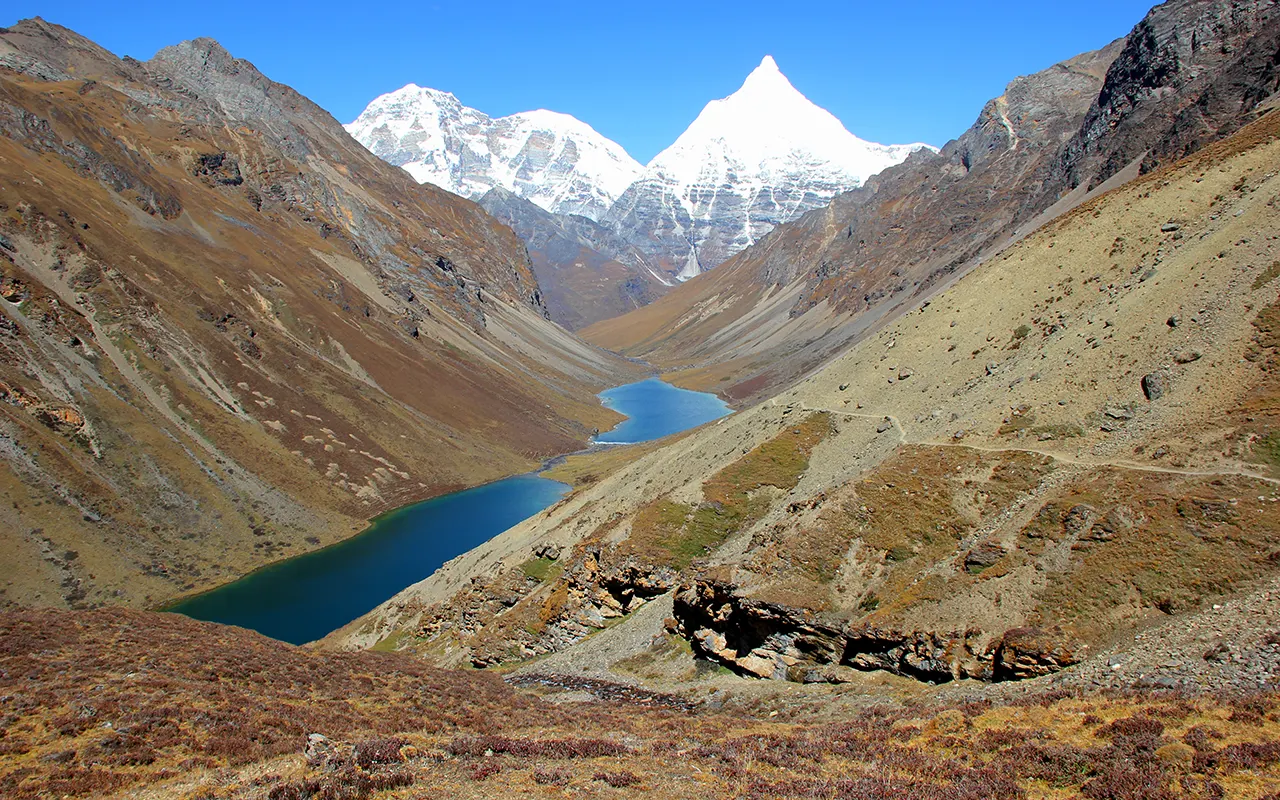
- Visit Jangothang Base Camp at 4050m (13287ft)
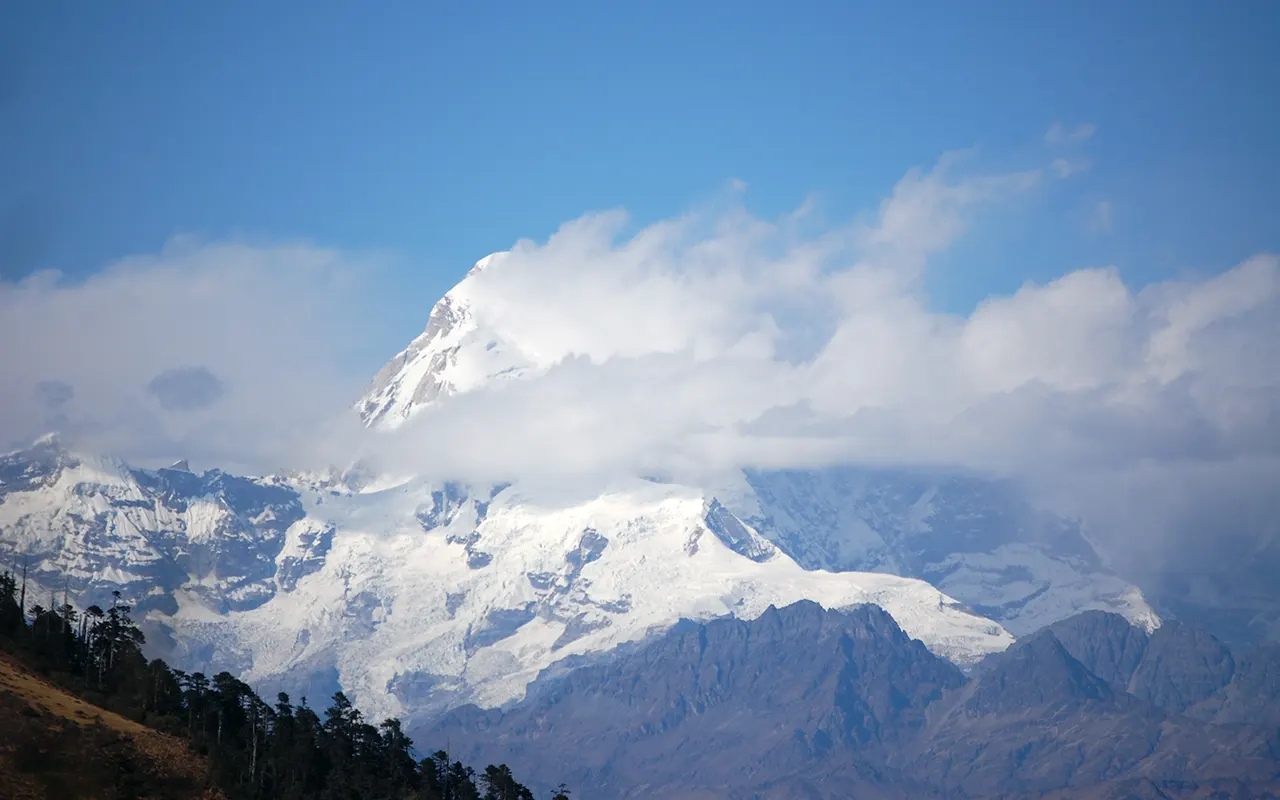
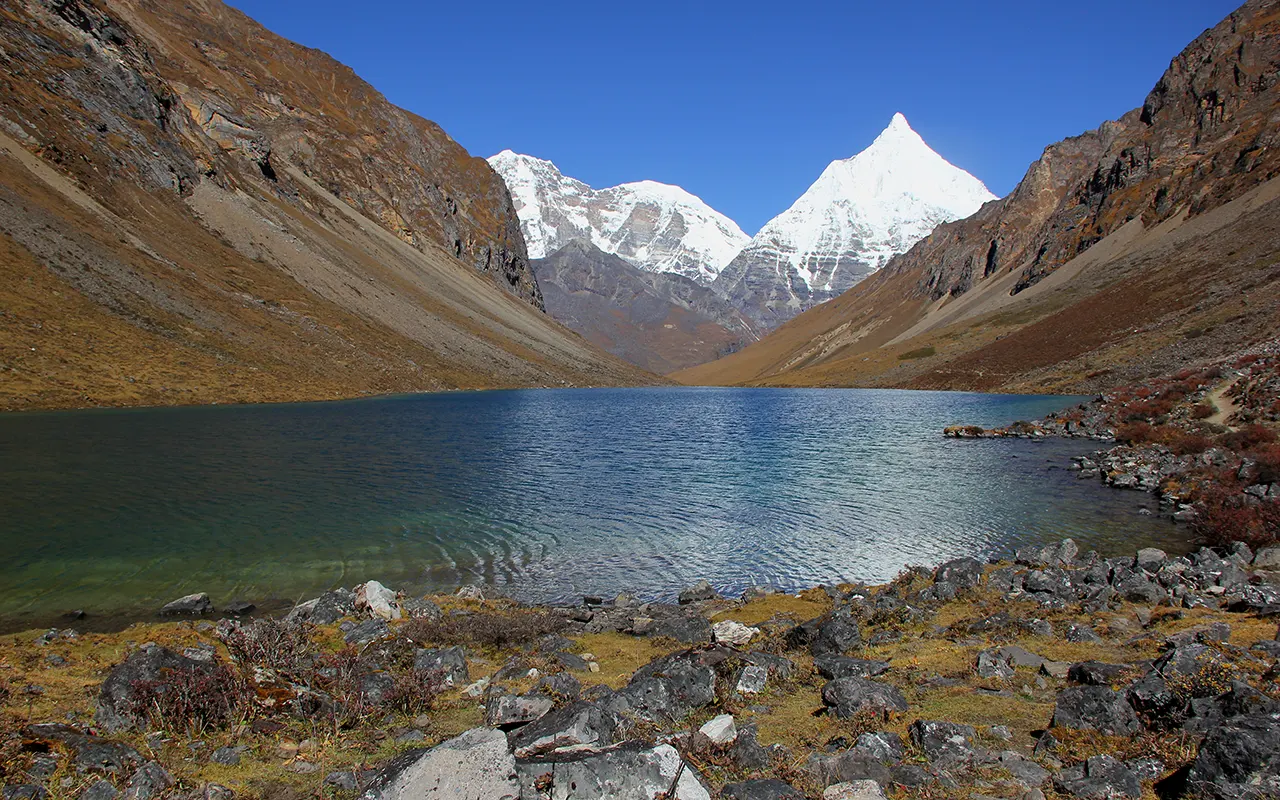
- Experience a close-up view of Mt. Jomolhari and Jichu Drake
- Explore the mountain environment of Jangothang
- Cross Nyile La Pass at approximately 4,890 m (16,043 ft)
- Cross Yeli La Pass at approximately 4,820 m (15,814 ft)
- Camp in remote Himalayan valleys and experience traditional mountain landscapes
- Explore Thimphu’s main attractions, including Buddha Dordenma, Tashichho Dzong and the National Memorial Chorten
Bhutan Jomolhari Trek – 11 Days Overview
The Bhutan Jomolhari Trek is an 11-day journey that combines mountain trekking, traditional Bhutanese culture and visits to important landmarks. Your journey starts in Paro, where you will have the opportunity to explore the town and hike up to the monastery of Tiger’s Nest, before making your way into the remote valleys of the Himalayas. This mix of cultural tour and high-altitude trekking makes it a good option for tourists who wish to experience Bhutan’s other side.
This trek starts with a drive from Paro to Shana, then a trek through forests, river valleys and traditional yak pastures. The path opens up into a sparse upland area with high mountain tops as you ascend. You’ll arrive at Jangothang (Jomolhari Base Camp) at about 4050m (13287ft). A special acclimatization day here allows your body to adapt to the altitude before making the rest of your way to the higher passes.
One of the main challenges of the Jomolhari Trek in Bhutan is crossing Nyile La Pass (4,890 m /16,043 ft) and Yeli La Pass (4,820 m /15,814 ft). The sections will be long, steady climbs and descents with remote mountain landscapes. Next, head towards Shodu and Barshong, then a short hike and road transfer will lead to Thimphu. There will also be time to visit the most popular tourist spots in the capital: Buddha Dordenma, Tashichho Dzong and National Memorial Chorten.
The Bhutan Jomolhari Trek is designed to include a balance of trekking and sightseeing/acclimatization. A place to stay is provided which includes hotels in Paro and Thimphu and camping during the mountain part. Our team will arrange the necessary trekking permits, accommodation, meals, transportation and camping support as part of the package. An experienced guide and trekking crew will accompany you during the trek.
It’s a trek for the physically fit and people who can walk for several hours per day and sleep in tents at high altitude. Previous trekking experience is helpful, especially for those who have not walked above 4,000 m (13,123 ft) before.
For those who wish to experience the Bhutanese culture and also do a trekking tour in the Himalayas, you might want to consider doing the Bhutan Jomolhari Trek. Contact My Everest Trip to discuss your travel dates, preparation and package arrangements. We will accompany you in planning your trip and also help you prepare for the 11-day experience in Bhutan.
Why the Bhutan Jomolhari Trek Is Special
The Bhutan Jomolhari Trek is unique as it offers a combination of high-altitude trekking along with the opportunity to experience Bhutanese culture and traditional life. This tour is not just a mountain trek, but a visit to Tiger’s Nest Monastery, Paro and Thimphu, as well as a few days in remote Himalayan valleys.
In the course of the Jomolhari Trek in Bhutan, you will be able to see close-up views of Mount Jomolhari and Jichu Drake, as well as visit forests, alpine meadows, river valleys and yak grazing areas. The crossing of Nyile La and Yeli La passes and reaching Jangothang Base Camp at 4,050 m (13,287 ft) are some of the highlights of the trek.
The Bhutan Jomolhari Trek route also consists of an acclimatization day to get used to the height of the trek. Its cultural focus, overnight stay and hardcore hiking make it an intriguing option for experienced mountain trekkers.
Bhutan Jomolhari Trek – 11 Days Itinerary
Day 01: Arrival at Paro (2,235 m / 7,331 ft)
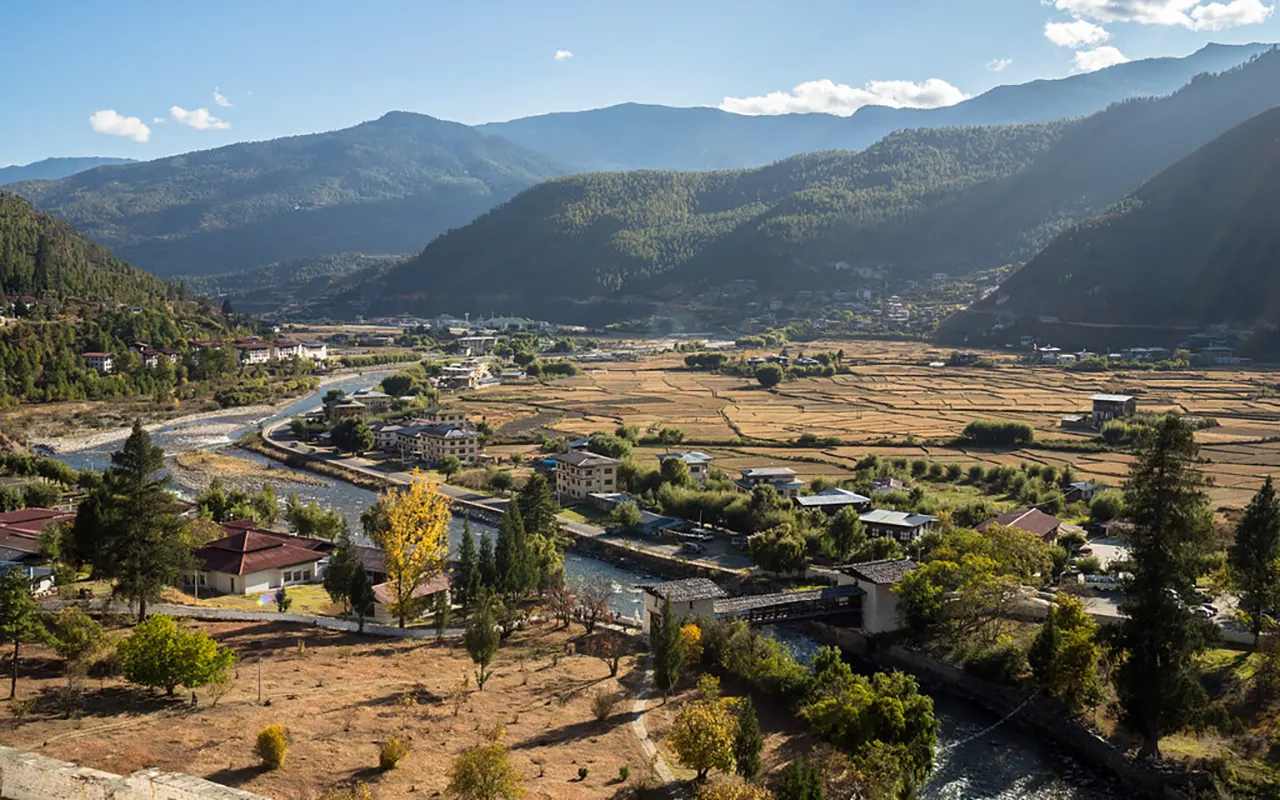
You will be met on arrival at the Paro International Airport and transferred to the hotel by our guide. Your first impression of Bhutan is through the tranquil Paro Valley as you drive through traditional Bhutanese houses, green fields and mountain views.
Once you’ve gotten to the airport and after you have adjusted to the altitude, take the time to rest. If you’re feeling confident and have the time, you can take your time to enjoy Paro town. One can also tour the historic fortress of Rinpung Dzong, which overlooks the valley or the National Museum of Bhutan to get to know the history and traditions of Bhutan.
Have a quiet evening in the hotel and get ready for the day’s events.

Lunch and dinner

Hotel

2,235 m / 7,333 ft

Arrival, hotel transfer and optional Paro sightseeing
Day 02: Sightseeing and Acclimatization Hike to Tiger’s Nest Monastery (3,120 m / 10,236 ft)
You’ll head out for a hike to the Tiger’s Nest Monastery (Paro Taktsang). The monastery is located on a rockscape site overlooking the Paro Valley and is a significant religious site in Bhutan. It starts on a fairly gradual up-and-down walking path through pine forests that is marked with prayer flags and mountain vistas.
Shorter breaks can be made at certain rest stops before heading on to the monastery. Explore the temple complex, enjoy the views and then retrace the route downhill to the starting point.
The hike is a good way to acclimatize to the altitude before starting the extended hike. Come back to your hotel in Paro and relax the rest of the day.
Breakfast, lunch and dinner
Hotel

6 km
3,120 m / 10,236 ft
Acclimatization hike and monastery sightseeing
Day 03: Drive to Shana and Trek to Soi Thangthangkha (3,750 m / 12,303 ft)
On leaving Paro, drive for around half an hour to Shana, where the trekking trail starts. After arriving at the start, head to the support team and get ready for the walk of the day.
The path passes through wooded sections of the river, crossing wooden bridges and coming through small towns. As the route proceeds, you’ll slowly ascend into the lower parts of Jigme Dorji National Park. As you enter deeper into the valley, the noise diminishes.
Walk for about 18 km until you arrive at the campsite at Soi Thangthangkha. The campsite offers a pleasant place to stay at the end of a long trek and is surrounded by forest. Dinner at camp and preparations for the next stage
Breakfast, lunch and dinner
Tent
18 km
3,750 m / 12,303 ft
Drive to Shana and forest trekking , 6 to 7 hours trekking, plus 30 minutes driving
Day 04: Trek from Soi Thangthangkha to Jangothang (4,050 m / 13,287 ft)
You will continue hiking towards Jangothang or Jomolhari Base Camp. The path is on top of the valley, through open country, high plateau grasslands and pasturing grounds for yak herders. Forest becomes increasingly sparse as you climb the hill, until you are looking out over the mountains.
Before you reach the higher parts of the valley, you will pass through traditional settlements of the yak herders and grazing areas. As you get closer to Jangothang, the surrounding mountains can be seen, including views of Mount Jomolhari and Jichu Drake, depending on the weather.
After about 12 km hike, reach Jangothang and make your camp set. Relax in the mountain atmosphere, dine and get a good night’s sleep here, which is located at a high elevation.
Breakfast, lunch and dinner
Tent
12 km
4,050 m / 13,287 ft
High-altitude trekking and mountain sightseeing, 5 to 6 hours
Day 05: Acclimatization and Exploration at Jangothang (4,050 m / 13,287 ft)
Today is acclimatization day at Jangothang. This is an extra day at this height that allows the body to acclimate before entering the higher passes of the coming days. Patience, adequate water intake and no unnecessary physical exertion are essential.
You may walk around the campsite or follow some of the trails with your guide if you feel at ease. These hikes offer the prospect of seeing views of Mount Jomolhari, Jichu Drake and the mountain scenery. Also, you can catch sight of yak herders walking through the surrounding pastures.
Or stay in camp during the day and relax in the quiet atmosphere. Your guide will assess your condition and will talk about what to expect on the next leg of your trek.
Breakfast, lunch and dinner
Tent
4,049 m / 13,284 ft
Acclimatization, optional short hikes and mountain exploration, Flexible, depending on the chosen activity
Day 06: Trek from Jangothang to Lingshi via Nyile La Pass (4,890 m / 16,043 ft)
Following breakfast, set off from Jangothang to start the tough journey to Lingshi. The trail gently ascends through bedrock mountain country to open alpine fields, leading up to Nyile La Pass at about 4,890 m. This is one of the longer stretches of high elevation on the trip.
Weather allowing, from the pass you can see Jomolhari, Jichu Drake and other surrounding Himalayan peaks. Rest and enjoy the mountain scenery before starting downhill.
It then descends back into Lingshi, through remote mountain scenery and high-altitude grazing areas. After about 15.5 km of hiking, arrive at the campground at Lingshi. Stay at camp, have a nice meal and get a good night’s sleep after this hard day.
Breakfast, lunch and dinner
Tent
15.5 km
4,890 m / 16,043 ft
High-altitude trekking and crossing Nyile La Pass, 6 to 7 hours
Day 07: Trek from Lingshi to Shodu via Yeli La Pass (4,820 m / 15,814 ft)
You’ll head on to Shodu from Lingshi. The trail winds through isolated valleys and rugged mountain landscapes, steadily ascending to Yeli La Pass. This is a serious climb due to the altitude and the path is not level, so it is important to keep walking at a comfortable pace.
Once you arrive at the Yeli La Pass (c. 4820m), rest and have a look at the surrounding peaks such as Jomolhari and other mountains in the area. Pass mark with prayer flags marking this high point along the route.
From here, go down the valley to Shodu. As one gets further away from the exposed high-altitude terrain, the landscape slowly evolves. At the end of your day-long walk, arrive at the campsite at Shodu, where you will be able to enjoy a meal and a night’s sleep.
Breakfast, lunch and dinner
Tent
15 to 18 km
4,820 m / 15,814 ft
High-altitude trekking and crossing Yeli La Pass, 6 to 7 hours
Day 08: Trek from Shodu to Barshong (3,600 m / 11,811 ft)
Upon getting up from breakfast, head towards Barshong from Shodu. The trek today is through a valley, winded and sculpted by steep mountain slopes and rocky cliffs along the Thimphu Chhu River. The route dips down to lower levels than found in the previous days, but there are a few levels to climb.
You will cross through woodland with rhododendron, juniper and other plants. There are several river crossings and minor rapids along the walk. The path also descends under some rocky cliffs and the narrow parts of the valley.
The track heads uphill towards Barshong settlement and the ruins of Barshong Dzong as you get nearer to Barshong. Continue along for another 14-21 km until you arrive at the campsite where you will camp for the night. Relax and unwind after another full day on the trail and enjoy dinner.
Breakfast, lunch and dinner
Tent
14 to 21 km
4,100 m / 13,451 ft
Valley trekking, river crossings and forest exploration. 7 to 8 hours
Day 09: Short Trek from Barshong and Drive to Thimphu (2,334 m / 7,657 ft)
Start the day at camp with breakfast and then go on a short hike from Barshong. The path then leads through the woods and slowly moves towards the road access, where you should be waiting for your vehicle.
After about a 3 km walk, join the driver and head towards the capital, Thimphu. The drive is approximately 35 km long and will take about 2 to 3 hours, depending on road conditions.
After waking up from several days of camping and high-altitude trekking, you’ll be in Thimphu and should check in at your hotel and relax. If time allows it, you can walk around the surrounding streets and visit local shops or simply have a peaceful evening in the city. Thimphu hotel is to be used for an overnight stay.
Breakfast, lunch and dinner
Hotel
3 km trek and 35 km drive
3,600 m / 11,811 ft
Short trek, road transfer and hotel check-in, 2 to 3 hours trekking
Day 10: Thimphu Sightseeing Tour and Drive to Paro (2,235 m / 7,333 ft)
Breakfast in the morning and go to some of the major attractions of Thimphu. Begin with Buddha Dordenma, a giant statue of Buddha that overlooks Thimphu Valley. Then visit Tashichho Dzong, the most vital religious and administrative centre of Bhutan, where you will familiarize yourself with the architecture and culture of the country.
The other site that you need to visit is the National Memorial Chorten, a religious site where people from around come to pray and circumambulate. These places will be discussed by your tour guide at the sightseeing stop.
In the afternoon, head back to Paro. This is a trip that takes approximately an hour and includes a distance of 54 km. Once here, register at your hotel and have some time off to either rest or visit Paro Dzong if time allows.
Breakfast, lunch and dinner
Hotel
54 km
2,650 m / 8,694 ft
Thimphu sightseeing and drive to Paro, 1 hour driving, plus sightseeing time
Day 11: Final Departure from Paro
The last day of your Bhutan vacation has arrived. Have breakfast at the hotel and prepare to fly overseas according to your international flight schedule. We will have our staff will arrange you in transferring to the Paro International Airport or assist you in the departure arrangements as well as the transfer to the hotel.
The airport journey normally takes a short time unless your hotel is a long distance from the airport or during rush hours. Pack everything, get out of the hotel and travel documents and leave the hotel.
Do the required immigration and check-in formalities for your next flight at the airport. This will end your journey in Bhutan after a couple of days of exploring the culture, hiking in the mountains and exploring the Himalayan scenery. Hopefully you have gained some good experiences in your visit to Bhutan.
Breakfast
Hotel to Paro International Airport (varies by hotel)
2,235 m / 7,333 ft
Hotel checkout, airport transfer and final departure, 15 to 30 minutes driving
Bhutan Jomolhari Trek – 11 Days Additional Information
Jomolhari Trek Difficulty and Trail Conditions
The Bhutan Jomolhari trek is a tough trek for those who have some adventure experience and are physically fit to undertake it. The trail winds through forests, river valleys, alpine meadows, rocky trails and isolated mountain communities. There are several days where long walks, uphill climbs and steep descents are involved.
The most difficult parts of the trail are the high passes, especially Nyile La and Yeli La. Care must be taken when walking through these sections due to the high altitude, rough terrain and varying weather.
The walk is not technical but can be physically challenging with a number of consecutive days at high altitude. The trek to Jomolhari in Bhutan is ideal for those who enjoy long hikes in the mountains and have average stamina.
Best Time for the Jomolhari Trek in Bhutan
The best seasons for the Bhutan Jomolhari Trek are spring and autumn. These times usually offer ideal conditions for high-altitude trekking and the weather is more settled than it is during the rains of the summer monsoon months, while mountain visibility is also improved.
Spring (March to May) brings warmer daytime temperatures, flowering rhododendrons and green vegetation along the lower sections. The higher areas may still have snow around the mountain passes.
Autumn (September to November) is another suitable period, with generally clearer skies and good mountain views. The monsoon rains occur during the months of June through August and the trails can become slippery, as well as river crossings more difficult. The passes are not easily traversed during the winter when they are often covered in snow and very cold.
For the Jomolhari Trek in Bhutan, spring and autumn are generally the most practical choices.
Jomolhari Trek Altitude Profile and Acclimatization
The Bhutan Jomolhari Trek starts in Paro (2235m /7333ft) and winds into the higher mountain valleys. The approximate elevation of the route is 4050m (13287ft) at Jangothang, which includes a dedicated acclimatization day.
This is a very important rest day as it allows your body more time to acclimatize before heading on to the high mountain passes. The route crosses Nyile La (4,890 m /16,043 ft) and Yeli La (4,820 m /15,814 ft), depending upon route conditions and pass elevations recorded.
The Jomolhari Trek involves leaping from one low point to a high one and breathing in high-altitude air, which can be physically challenging even for seasoned walkers. Walk slowly, drink plenty of water and let your guide know if you get headaches, get queasy, dizziness, unusual tiredness or trouble breathing.
Acclimatization decreases the risks associated with altitude, but will not eliminate the chance of developing altitude sickness.
Bhutan Visa, Entry Requirements and Trekking Permits
Foreign tourists should ensure that they comply with the entry requirements of Bhutan before they come. Most tourists require a valid passport and an appropriate Bhutanese visa; depending on nationality, arrangements for entry may differ. Travel documents must be valid for the intended duration and the visa should be obtained before traveling.
The Jomolhari region also needs trekking permits to hike in the area since some parts of the trail pass through safeguarded zones and security-restricted areas. Any visitor must understand that he or she must follow the designated trails and camp in the designated areas.
With My Everest Trip, our team will make all the necessary preparations for your trek and travel plans. These permits are included in the package and the trekking permit process will be handled independently.
We also have a team that will take you through the visa and entry preparation before you come to Bhutan.
Physical Fitness and Training for the Jomolhari Trek
To undertake the Bhutan Jomolhari Trek smoothly, physical fitness is crucial. The walks will be for several hours a day and frequently on uneven paths with gentle rises and falls. Good stamina and walking at altitude are also essential on the high mountain passes.
Plan at least 8-12 weeks before departure. Cardiovascular and uphill training and walking regularly can help increase endurance. Enhancing leg strength and balance will also make long trekking days easier.
Helpful training exercises are:
- Walking 2-4 hours over a mixture of terrain
- Practising uphill and downhill walks
- For cardiovascular fitness, cycling, swimming or jogging is recommended
- Performing squats, step-ups and lunges to build leg muscle tone
- Preparing for a trek with a backpack stuffed with some special trekking gear
- Taking longer walks on consecutive days
Experience hiking at high altitudes is useful, but preparation and a steady walk are crucial.
Accommodation During the Jomolhari Trek: Hotels and Camping Facilities
The lodging part of the Bhutan Jomolhari Trek consists of hotels in Paro and in Thimphu and tented camps in the mountain part of the trek. Upon arriving in Paro, after the Tiger’s Nest hike and while in Thimphu, you will be spending your nights in the hotel.
All accommodations thereafter are in the form of camping. Our staff will set up sleeping tents, a dining tent and camping equipment. The sleeping mattress will also be provided as per package provision. The trekking party will set up camp and cook.
The remote areas in the mountains have very basic camping facilities. Private baths, hot showers and periodic electricity cannot be assumed. Bring appropriate clothes and personal hygiene supplies to be comfortable at night while camping.
Food, Drinking Water and Meal Arrangements on the Jomolhari Trek
Meals are included throughout the Bhutan Jomolhari Trek according to the package itinerary. Accommodation in the hotel will be provided as outlined in the daily program, including breakfast, lunch and dinner. The trekking cook and support staff will prepare food at the camping sites during the camping section.
Typically, rice, vegetables, potatoes, noodles, soups, eggs and simple food suitable for trekking are included in the food. Depending on the ingredients and camp arrangements, there may be Bhutanese dishes too. Please let My Everest Trip know if you have any dietary restrictions, allergies and/or specific food requirements.
Water is a must on the ride. Use boiled, filtered or treated water and bring your own water bottle. Never drink water from untreated rivers and streams. Also, on longer walking days, energy snacks, nuts and chocolate can be helpful.
Jomolhari Trek Packing List and Essential Mountain Gear
Proper packing of appropriate gear is essential as the Jomolhari trek in Bhutan traverses various climatic zones. Valleys can be mild and higher camps and passes can be cold and windy. Your outfit should easily accommodate shifting conditions.
Use suitable, tried-and-tested gear; don’t carry extra gear. Weather can change as you’re out on the hike, so waterproof protection is especially beneficial.
Items that are required to pack are:
- Broken-in waterproof trekking boots
- Dress in thermal base layers
- Fleece jacket/ insulated down jacket
- Waterproof jacket and trekking trousers
- Comfortable trekking socks and gloves
- Hat and sun hat, sunglasses
- Sleeping bag suitable for cold mountain nights
- Trekking poles for steep sections
- Headlamp with spare batteries
- Sunscreen, lip balm and personal toiletries
- Water bottle to use again and water purification tablets
- Individual’s medication and a basic first aid kit
- Power bank and spare charging cables
Pack the daypack with your important papers, valuables and personal medication.
Weather, Temperature and Night Conditions Along the Jomolhari Trek
The Bhutan Jomolhari Trek experiences a great deal of variation in its weather since it travels through lower valleys as well as high mountain regions. The weather is on average milder in Paro and Thimphu and much colder at the campsites around Soi Thangthangkha and Jangothang, especially at night.
Weather can turn really cold even in the peak trekking seasons on higher elevations. There may also be strong winds, rain, snow and sudden visibility changes around the passes Nyile La and Yeli La.
Trekking conditions are often better in the spring or fall, but it is not a given. Always bring warm clothes and waterproofs in all months. Your guide will also be keeping a watch on the conditions and making necessary adjustments in the walking and daily schedule.
Altitude Sickness Prevention and Emergency Evacuation
This Bhutan Jomolhari Trek will be on high passes over 3,000 m (9,843 ft) and on passes near 4,900 m (16,076 ft). Acute Mountain Sickness (AMS) may be a problem for some trekkers at these elevations. Symptoms are often headaches, nausea, dizziness, loss of appetite and excessive tiredness.
The acclimatization day on Jangothang is a good time to acclimatize to the altitude before heading up to the passes. Yet, anyone can get altitude sickness, even if they are fit and have been on numerous treks before.
Important precautions include:
- Walk slowly; don’t walk quickly uphill
- Drink sufficient safe drinking water
- Don’t drink alcohol on the high-altitude section
- Tell your guide if there is anything unusual about the symptoms
- Take your guide’s guidance on rest and acclimatization
- If you think you might have serious altitude sickness, descend right away
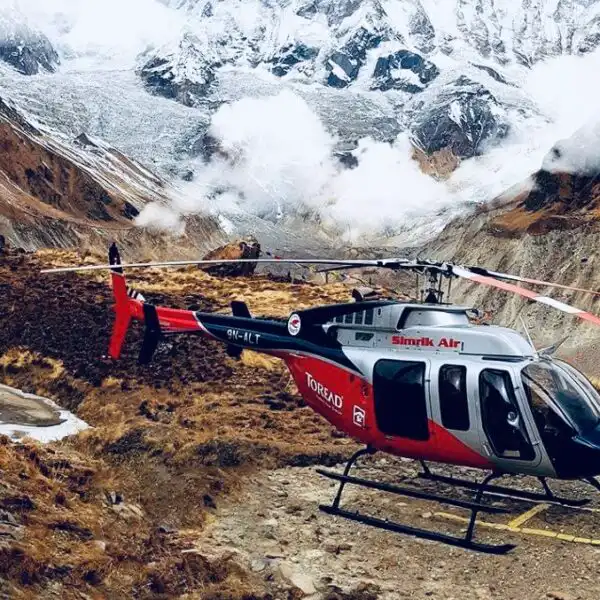
Our trekking team will be able to track your condition throughout the trek. If it is a medical emergency, evacuation can be accomplished by ground transport or helicopter transport if weather, access and availability permit. Appropriate travel insurance is essential.
Transportation, Road Access and Airport Transfers in Bhutan
During the Bhutan Jomolhari Trek, transportation is provided. You will arrive at Paro International airport where our staff will book you in your next destination to the hotel. Road transport service is also available from Paro to Shana, from where the trekking route starts.
The trek ends at Barshong, where it is a short walk to the road before heading by vehicle back to Thimphu. A drive from Thimphu to Paro will be facilitated the next day.
For the road trips, a comfortable vehicle and driver will be provided by My Everest Trip. The car type will be determined by the number of people in the group and the amount of cargo. Airport transfers and the scheduled road transportation are included in the package, allowing you to travel between destinations without arranging separate transport.
Mobile Network, Internet and Charging Facilities During the Trek
Wi-Fi connectivity is commonly found in towns like Thimphu and Paro, where you can buy a local SIM card or use the hotel’s Wi-Fi. As soon as you step into the remote mountain valleys, however, connectivity is limited.
Mobile signals may not be available throughout the Bhutan Jomolhari Trek. Poor coverage and isolated valleys may be present at some campsites. Camp access to the Internet will also be restricted.
Charging stations and electricity exist but are not in all locations. Carry an extra power bank and extra batteries for your cell phone, camera and headlamp. For extended outdoor adventures, a solar charger is also a handy item to have on hand.
If you need mobile connectivity in towns, you can buy a local SIM card after you have arrived in Bhutan. Let family members know ahead of time that you may not be able to communicate with them for several days
Travel Insurance and High Altitude Trekking Safety Requirements
It is highly recommended to take travel insurance for anyone who is going on the Bhutan Jomolhari Trek. Standard Travel insurance policies may not cover activities at high elevations, so please read the policy carefully before buying.
Your insurance should be able to include coverage of trekking at an altitude of 5,000 m or more, emergency medical treatment, helicopter evacuation and repatriation if necessary. Review the policy limits, exclusions and conditions for emergency assistance.
Significant safety preparations about:
- Use valid travel insurance with documents
- Check coverage for treks to high altitudes
- Ensure an emergency helicopter evacuation is provided
- Have emergency contact numbers handy
- Tell your guide if you have any injuries or medical conditions
- Obey instructions when it’s tough and cross crossings
My Everest Trip will be offering an experienced trekking team to accompany you on the trek. But insurance will still be your personal responsibility. Weather, visibility, landing conditions and operational availability are also crucial factors in helicopter evacuation.
Responsible Trekking, Bhutanese Culture and Environmental Guidelines
The Bhutan Jomolhari trek is a part of responsible travel as the route traverses protected mountain areas, traditional settlements and culturally important places. By respecting local customs and protecting the natural environment, these areas can be preserved for future generations and local communities.
The Bhutanese people practice the Buddhist religion and it is important to dress modestly when visiting monasteries, temples and religious sites. Take off shoes when necessary and ask permission before taking photographs of local people or religious activities.
Responsible trekking practices to be followed:
- Keep on approved walking paths
- Carry out all non-biodegradable waste and dispose of it responsibly
- Avoid disturbing wildlife and natural vegetation
- Abide by local customs and religious practices
- Keep noise to a minimum in villages and campsites
- In protected areas, follow your guide’s directions

Tripadvisor Reviews






Google Reviews


Bhutan Jomolhari Trek – 11 Days FAQs
Is it possible to do the Bhutan Jomolhari trek without any prior high altitude trekking experience?
Yes, but the answer is that it is necessary to have good physical fitness as well as proper preparation. It is a good idea to have done some trekking in the past, as there are steep ridges and peaks on the way.
Do you have to hire a guide to do the Jomolhari Trek?
Yes, there is a system of organized trekking in Bhutan which requires an authorized guide and approved arrangements. Your trekking company will arrange all the support you need.
Can I hire a horse or porter during the trek?
Horses and porters are available based on availability and regulations. Check with your trekking company ahead of time if any extra support can be provided.
Is there a weight limit for carrying personal bags on the hike?
There may be luggage restrictions depending on the transport and trekking support arrangements. Check personal bags to confirm with the agency before traveling.
Are there toilet facilities at the mountain campsites?
The campsites have basic camping facilities and no permanent toilet facilities at most. Camp toilet facilities will be provided as appropriate by your trekking group.
Can I charge my camera and phone batteries during the camping section?
Charging in remote campsites is limited. Bring a large power bank and extra batteries for electronic devices.
Is vegetarian or vegan food available during the trek?
Vegetarian meals can be prepared in advance, with one exception. Vegetarian meals can be made in advance, except for one. Let your agency know in advance if you have a special dietary need such as veganism, allergies or any other restrictions.
What happens if bad weather prevents us from crossing a mountain pass?
Your guide will assess trail and weather conditions. When the crossing becomes unsafe, depending on the alternatives, the crossing may be delayed or adjusted.
Should I carry Bhutanese currency during the trekking section?
Yes. Bring some Bhutanese Ngultrum for your own use, snacks, tips and other costs. ATM and payment facilities are scarce in the rural areas.
Can I extend my stay in Bhutan after completing the trek?
Yes, there is usually a way to get additional sightseeing or accommodation prior to or following the hike. When booking, chat with the agency about your preferred extension.
US$ 0 per person
- 24/7 Customer Support
- Experienced and Professional Team
- Hassle-Free and Easy Booking
- 99% Customer Satisfaction
- Fair Prices, Exceptional Service
- No Hidden Costs and Secure Payments
- Tailored and Personalized Itineraries
24 X 7 Live Support
Puru (+977-9851069558)