





12 Days


Quick Facts

Flight

Hotel, Tent, Teahouse

Breakfast, Lunch and Dinner

Climbing, Sightseeing

Oct-Dec & Mar-May

Difficult

Nepal

6189 m
US$ 5,500 per person
-
1 -
peopleUS$ 8500
-
2 + people
9999
US$ 5500
- 24/7 Customer Support
- Experienced and Professional Team
- Hassle-Free and Easy Booking
- 99% Customer Satisfaction
- Fair Prices, Exceptional Service
- No Hidden Costs and Secure Payments
- Tailored and Personalized Itineraries

24 X 7 Live Support

Puru (+977-9851069558)

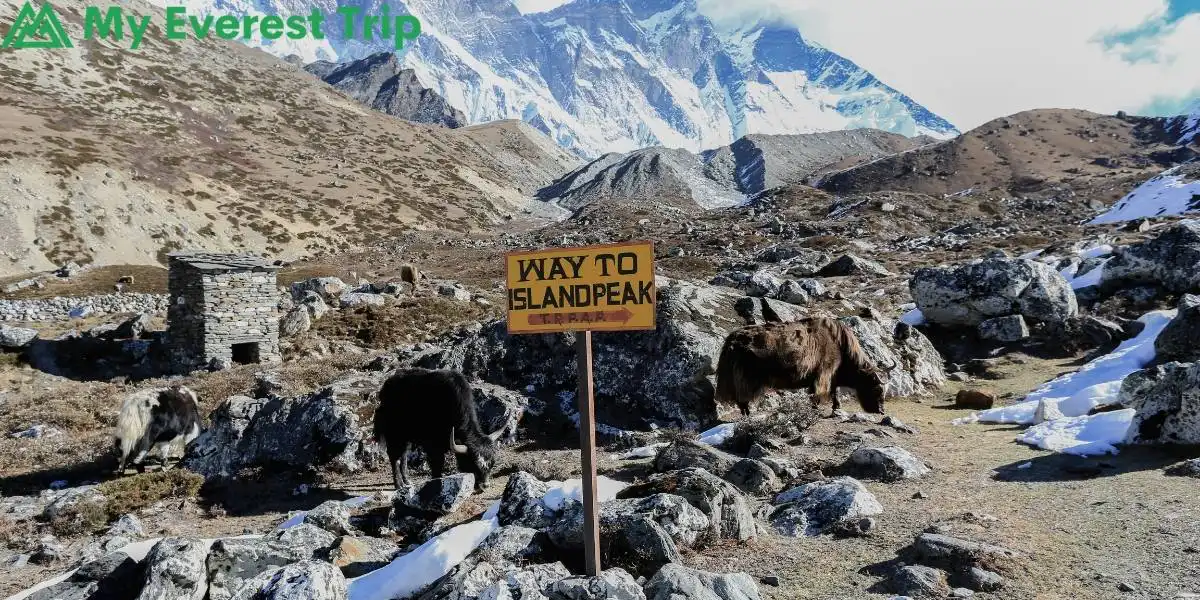

Why Luxury Island Peak Climbing with Helicopter Return – 12 Days?
- Hike around Lukla, Phakding, Namche Bazaar, Tengboche, Dingboche and Chhukung.
- Allow an acclimatisation day in Namche Bazaar and proceed higher.
- Go to Tengboche Monastery on the approach trek.
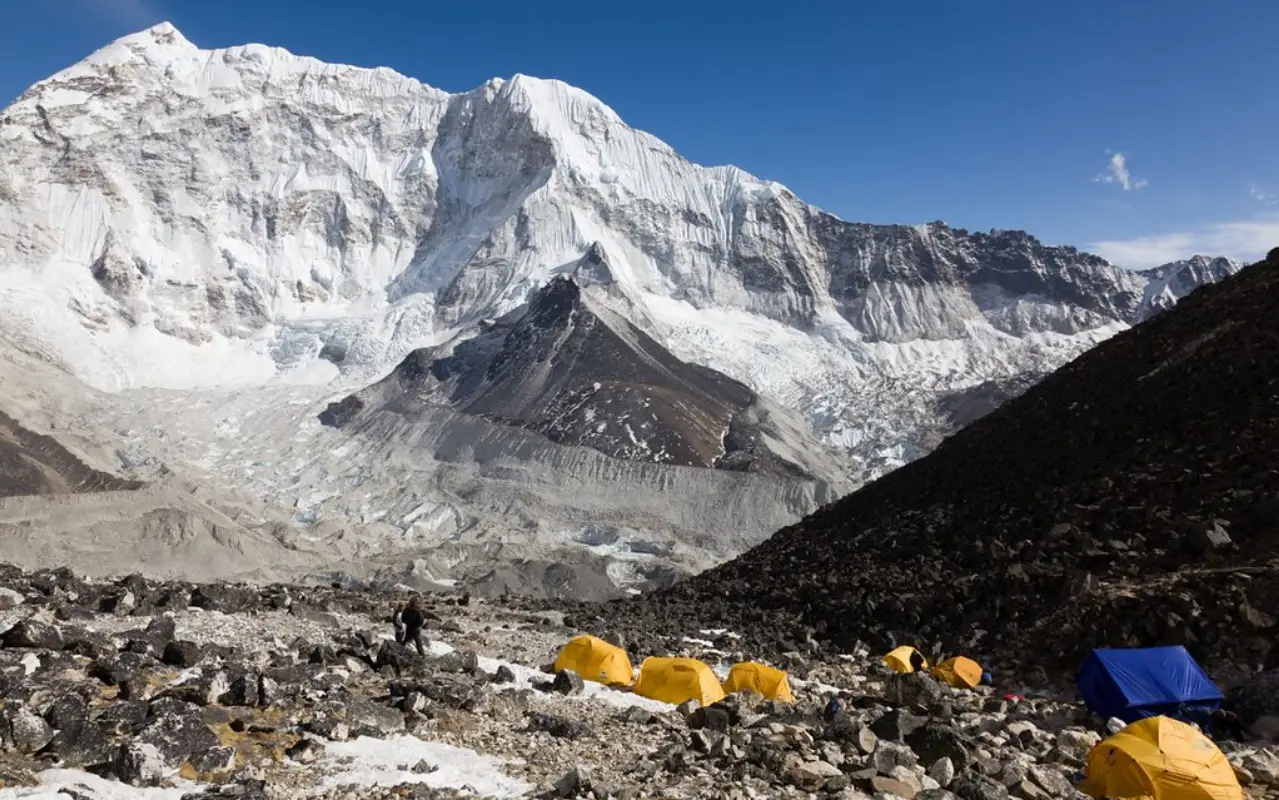
- Discover the mountainous environment in the Imja Valley.
- Practise the use of crampons, ropes, jumars and other climbing gear at base camp.
- Attempt the summit of Island Peak at (6,189 m / 20,305 ft).
- Helicopter flight out to Kathmandu, depending on weather and operating conditions.
Luxury Island Peak Climbing with Helicopter Return – 12 Days Overview
The Island Peak climb is a challenging Himalayan adventure that includes trekking in the Everest region, useful mountaineering training, and an attempt to summit a high peak. The trip starts in Kathmandu, then flies to Lukla, where you spend several days trekking through Phakding, Namche Bazaar, Tengboche, Dingboche, and Chhukung. Each phase trains you for the more challenging parts of the journey.
The Luxury Island Peak Climbing with Helicopter Return package is tailored for travelers who want an organized trekking experience, professional climbing support, and a convenient way to return to the mountain after their trek. The schedule includes an acclimatization day in Namche Bazaar, a visit to Tengboche Monastery, and technical climbing practice at Island Peak Base Camp. These preparations will help you become familiar with the equipment and procedures required for the summit attempt.
My Everest Trip can help with essential expedition preparations, including accommodation, trek logistics, and climbing support, in line with the established package inclusions. Throughout the hike, you will cross suspension bridges, pass through mountain villages, and follow trails that gradually lead into the jagged Imja Valley. The shifting terrain clearly shows the difference between the high mountain terrain and the lower trekking zones.
The Island Peak climbing package includes a challenging summit day that requires good physical conditioning, proper equipment, and attention to weather conditions. Island Peak stands at 6,189 m (20,305 ft) and is challenging to climb because of cold temperatures, strong winds, and thin air. Reaching the peak depends on your state, the weather along the route, and the guide’s safety assessment.
Another significant feature of the Luxury Island Peak Climbing with Helicopter Return itinerary is the scheduled helicopter flight between Chhukung and Kathmandu. This setup reduces the need to retrace the entire trekking route on foot. The operation of helicopters is, however, subject to weather, visibility, landing conditions, and availability of operations.
The Island Peak helicopter return adds convenience after the climb, while the expedition itself is a serious mountaineering activity. With proper preparation, realistic expectations, and support from an experienced team, this is a worthwhile way to trek and climb in Nepal’s Everest region.
Why is Luxury Island Peak Climbing with Helicopter Return Special?
The Luxury Island Peak Climbing with Helicopter Return itinerary combines a typical Everest region trek with a technical climbing goal and a scheduled helicopter flight back to Kathmandu. You’ll acclimatize in Namche Bazaar, visit Tengboche Monastery, and learn to use climbing gear before attempting the summit. This trip also includes camping at Island Peak Base Camp, where climbers typically stay overnight to prepare for the summit.
The helicopter adventure is a good alternative to walking back the same path after the mountain portion. We prioritize comfort where possible, but accommodation is limited in remote mountain areas, and we can’t guarantee a summit.
Luxury Island Peak Climbing with Helicopter Return – 12 Days Itinerary
Day 01: Arrive in Kathmandu (1,350 m / 4,429 ft) and Transfer to Your Hotel
Your climbing trip to Island Peak starts when you land at Tribhuvan International Airport in Kathmandu. Your airport representative will meet you outside the terminal once you complete airport formalities. You will then be transported to your hotel, where a driver will take you with your luggage.
After your international flight, rest after check-in. Once all climbers arrive, your lead guide will meet the group and discuss the travel arrangements. Your guide will also check your climbing equipment and personal gear to ensure you have everything required. In case anything is missing, you can rent or buy the necessary equipment.
If you have time, you can take a stroll through Kathmandu’s archaeological square. An early evening is suggested since the flight to Lukla might leave Ramechhap Airport at a time when trekking is in peak season. If needed, the road trip can take about four or five hours and can start early in the morning.

Dinner

Hotel

1,350 m / 4,429 ft

Airport arrival and hotel transfer, Variable, depending on arrival and transfers
Day 02: Fly to Lukla (2,860 m / 9,383 ft) and Trek to Phakding (2,610 m / 8,563 ft)
A precarious start will take you to Lukla, where you’ll begin your journey to the Everest region. Depending on your flight arrangements, you will either leave from Kathmandu or first visit Ramechhap Airport. The Kathmandu flight normally lasts about 20 to 30 minutes, and total travel time depends on the departure airport and flight time.
Once here, you will briefly delay in Lukla while your guide and porters pack the luggage and trekking gear. The trail then descends to Chheplung, Chaurikharka, Thado Koshi, and Ghat. Much of the walk passes through small settlements and along the Dudh Koshi River.
The trail has moderate rises and falls, hence a good lead-up to hiking in the area. Phakding (2,610 m / 8,563 ft) will be reached after about three or four hours on the trail. You will stay overnight at a teahouse and rest before the more tedious uphill journey to Namche Bazaar the next day.
Breakfast, Lunch and Dinner
Teahouse

7 to 8 km
2,860 m / 9,383 ft
Flight and trek, 3 to 4 hours trekking
Day 03: Trek to Namche Bazaar (3,440 m / 11,286 ft)
Today, you’ll continue along the Dudh Koshi River and then start the main uphill walk to Namche Bazaar. The path has small settlements, such as Zamfuti, Toktok, Benkar, and Chumoa, after breakfast in Phakding. Before you arrive at Monjo and get your permits at the Sagarmatha National Park entrance gate, you will cross several suspension bridges.
After completing the registration formalities, you will proceed to Jorsalle, where you can have lunch and rest. The trail then follows the river towards Larja Dovan, near the meeting point of the Bhote Koshi and Dudh Koshi rivers. Once you cross the suspension bridge, you start the steep climb to Namche Hill.
Take your time, walk slowly, and take breaks with water. In clear weather, you can get your first glimpse of Mount Everest. Arrive at Namche Bazaar (3,440 m / 11,286 ft) and relax in your room. Spend two nights here to help you acclimatize.
Breakfast, Lunch and Dinner
Teahouse
10 to 12 km
3,440 m / 11,286 ft
Trekking, 6 to 7 hours
Day 04: Acclimatization at Namche Bazaar (3,440 m / 11,286 ft)
An acclimatization day helps your body adapt to the rising altitude before you head to Island Peak. After breakfast in Namche Bazaar, you will hike uphill to Syangboche. The path continues to the local airstrip, then follows a gentler route to the Everest View Hotel (3,880 m / 12,730 ft).
When the weather is clear, you can break at the hotel and enjoy views of the mountains. You may see Mount Everest, Lhotse, Changtse, Kangtega, Thamserku, Kongde Ri, and Ama Dablam. We will have lunch at Namche Bazaar after spending some time there.
Later, you can visit the Sherpa culture museum near the army camp and take a stroll toward the hill facing the camp. A bronze memorial statue of Tenzing Norgay is located next to the museum. You can also spend some time at a local cafe or bakery, or watch a documentary about Everest if you have time. The remainder of the day is for rest, and an additional night will be spent in Namche Bazaar.
Breakfast, Lunch and Dinner
Teahouse
4 to 5 km
3,880 m / 12,730 ft
Acclimatisation hike and museum visit, 3 to 4 hours
Day 05: Trek to Tengboche (3,860 m / 12,664 ft)
After breakfast, leave Namche Bazaar and follow the mountain trail to Tengboche. The path first winds along the slopes, and on clear days you can see Everest, Lhotse, Nuptse, and Ama Dablam. The initial part is not very fast, and you can take a leisurely pace before arriving in Kyanjuma.
Onward to Sanasa, you’ll reach the point where the path splits: one heads toward Gokyo, and the other leads down to the river. Take the other route and drop in elevation as you near the Imja Khola region. The path then ascends to Phungi Thenga (3,250 m / 10,663 ft), where you can have lunch and rest before tackling the next uphill stretch.
After crossing the suspension bridge over the Imja Khola, you will begin a long ascent through the forest. This part will require two to three hours, depending on your speed. Eventually, you will arrive at Tengboche (3,860 m / 12,664 ft), where you can visit Dawa Choling Gompa (Tengboche Monastery). In the evening, you will go to your teahouse after the visit.
Breakfast, Lunch and Dinner
Teahouse
9 to 10 km
3,860 m / 12,664 ft
Trekking and monastery visit, 5 to 6 hours
Day 06: Trek to Dingboche (4,410 m / 14,469 ft)
The path to Dingboche starts with a descent through rhododendron, birch, and conifer forests to Deboche. Cross a suspension bridge over the Imja Khola and ascend to Upper Pangboche (3,900 m / 12,795 ft). The trail leads into the valley, and the landscape slowly opens as you ascend.
Before continuing, you may visit the local monastery in Upper Pangboche, set against the backdrop of Ama Dablam. Another stop is Shomare (4,010 m / 13,156 ft), where you can rest if needed.
The trail continues beyond Shomare to Orsho, where the path branches off towards Dingboche and Pheriche. Take the right-hand path to Dingboche, which passes through Tsuro Wog and finally arrives in Dingboche. The last part follows stone fences and plots around the settlement. It will take about five to six hours to reach Dingboche (4,410 m / 14,469 ft). In the evening, you can rest and plan the shorter trek to Chhukung the following day.
Breakfast, Lunch and Dinner
Teahouse
9 to 11 km
4,410 m / 14,469 ft
Trekking, 5 to 6 hours
Day 07: Trek to Chhukung (4,730 m / 15,518 ft)
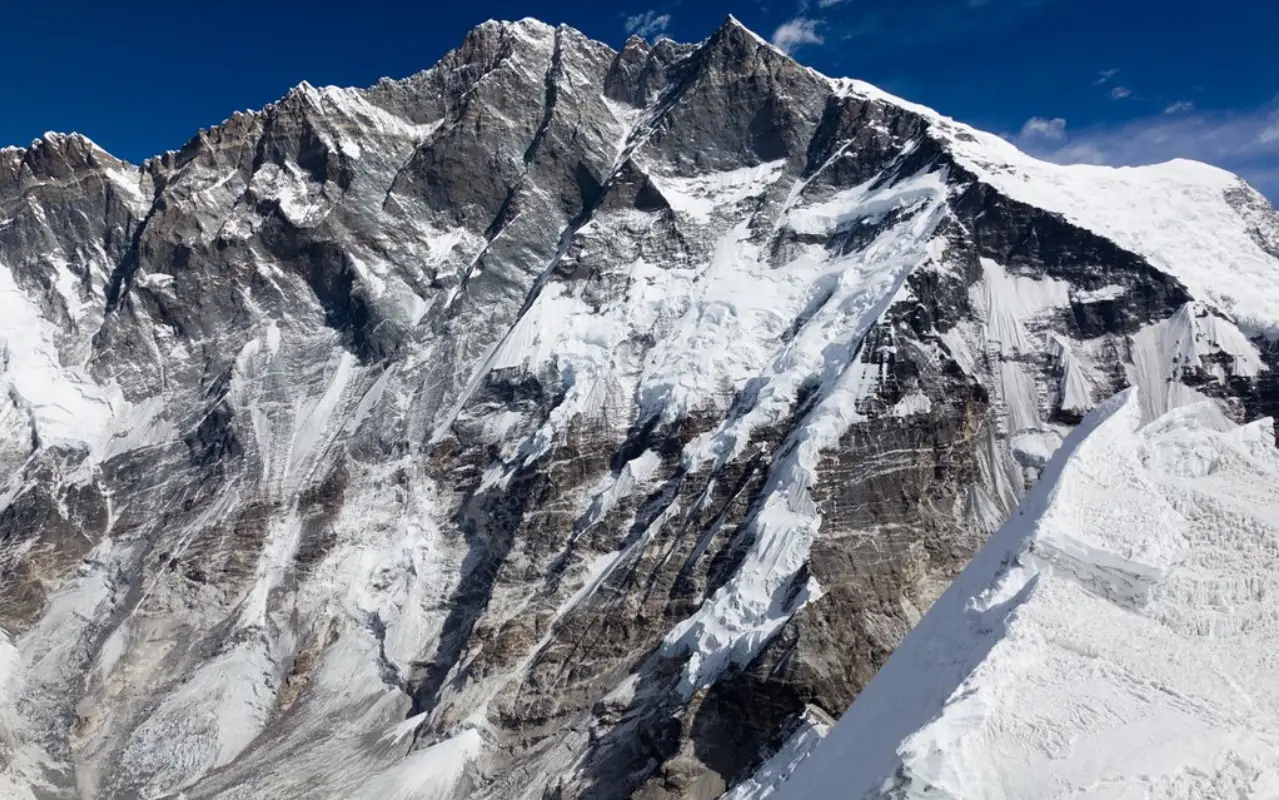
After breakfast, you will leave Dingboche and head eastwards into the Imja Valley to Chhukung. Although today’s walk isn’t as long as some of your past trekking days, the rising altitude means you need to keep a steady pace and not rush. The path slowly widens, and one can see Ama Dablam, the south side of Lhotse and, further down the valley, Island Peak.
The trail follows a small stream fed by melting glacial ice, then runs along the terminal moraine. Uneven ground and loose stones increase as you reach the mountain’s higher terrain, so be careful with your footing. As you gain altitude, the landscape becomes less vegetated.
About two to three hours later, you will come to Chhukung (4,730 m / 15,518 ft), a small village where trekkers and climbing teams planning to ascend Island Peak stay. After checking into your teahouse, you can have lunch and rest. When you feel good and the weather permits, you can also opt for an optional hike to Chhukung Ri (5,546 m / 18,196 ft). Otherwise, rest and get ready to head to Island Peak Base Camp the next day.
Breakfast, Lunch and Dinner
Teahouse
4 to 5 km
4,730 m / 15,518 ft
Trekking and optional ridge hike, 2 to 3 hours trekking
Day 08: Trek to Island Peak Base Camp (5,200 m / 17,060 ft) and Climbing Training
Your journey towards Island Peak Base Camp begins after breakfast in Chhukung. The route runs along the moraine of the Imja Glacier, over loose rocks and dusty ground, and requires careful footing. The route continues along the southern side of Lhotse as you move deeper into the high mountain terrain.
About three to four hours of trekking will lead to Island Peak Base Camp (5,200 m / 17,060 ft). The climbing crew will set up the tents as you rest and have lunch. Your climbing guide will then hold a training session where you will practice skills to prepare for the summit attempt.
In the session, you will learn to use a jumar, work with ropes, abseil, rappel, and walk with crampons. Your guide will also discuss the most basic rope safety and how to use the climbing gear properly. You will practice these skills under supervision and ask questions about the technical parts to come.
You will also have dinner at the camp after training. The climb to the summit begins very early the next morning, so in the evening, prepare your gear, follow your guide’s advice, and get as much rest as possible.
Breakfast, Lunch and Dinner
Tent
4 to 5 km
5,200 m / 17,060 ft
Trekking and climbing training, 3 to 4 hours trekking, plus climbing training
Day 09: Summit Island Peak (6,189 m / 20,305 ft) and Return to Chhukung (4,730 m / 15,518 ft)
The summit day will start at approximately 1:00 AM, when you will get up, eat breakfast, and pack your climbing gear. Put on warm-up clothes and a headlamp, then start climbing the rocky terrain toward the higher sections. It passes steep terrain and rocky steps of loose scree, then continues to Crampon Point (5,500 m / 18,045 ft).
This is where you will put on your crampons, harness, and other technical equipment as instructed by your climbing guide. The path then traverses the glacial scenery via the rope construction put in place during the climb. The last part is a steep snow and ice headwall, with fixed ropes and ascenders to help climbers move toward the summit.
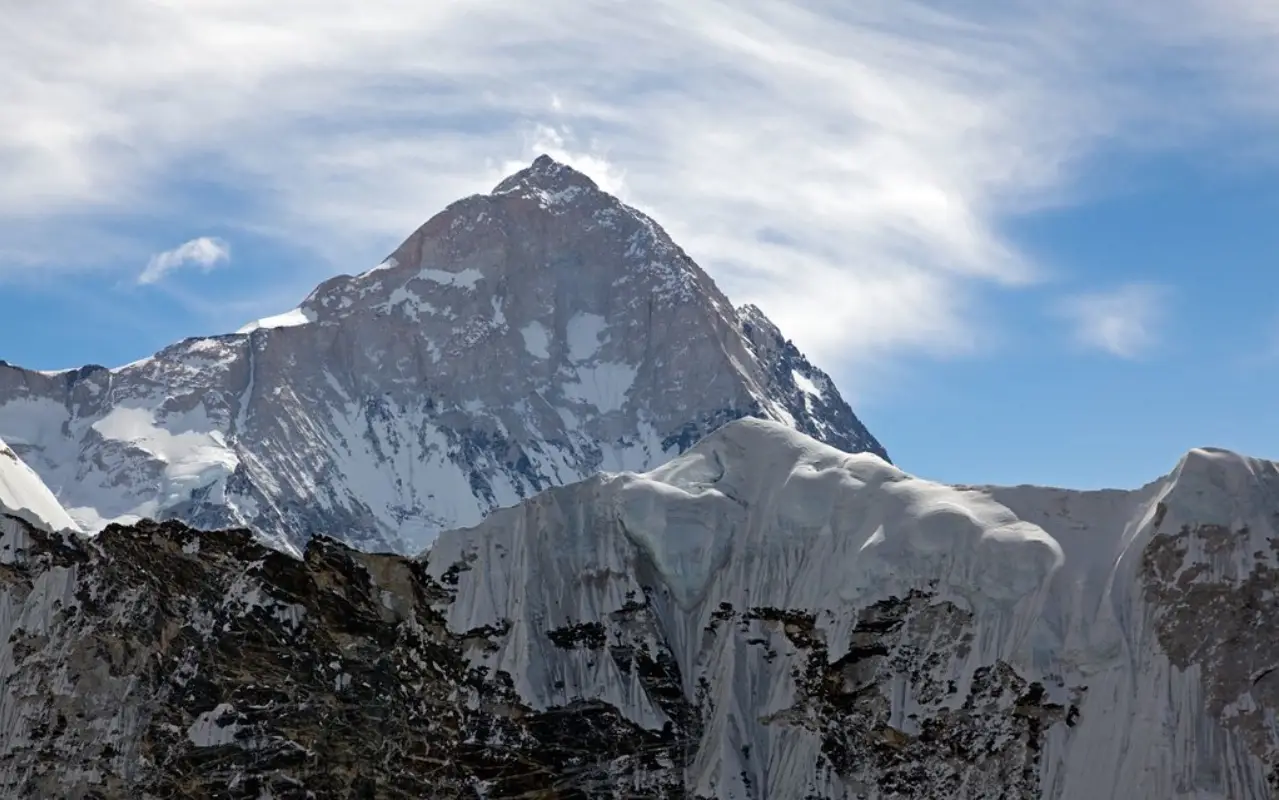
Reaching Island Peak’s summit (6,189 m / 20,305 ft) is the expedition’s main objective. On clear days, you can see Everest, Lhotse, Nuptse, Ama Dablam, Cholatse, Thamserku, and Pumori, and you can also see Makalu from the summit area. Next, climb the peak and spend some time at the summit, then slowly descend via the climbing path back to base camp and down to Chhukung. The day is taxing, so rest and recover once you reach your teahouse.
Breakfast, Lunch and Dinner
Teahouse
11 to 14 km
6,189 m / 20,305 ft
Island Peak summit climb and descent, 9 to 10 hours
Day 10: Helicopter Flight from Chhukung to Kathmandu (1,350 m / 4,429 ft)
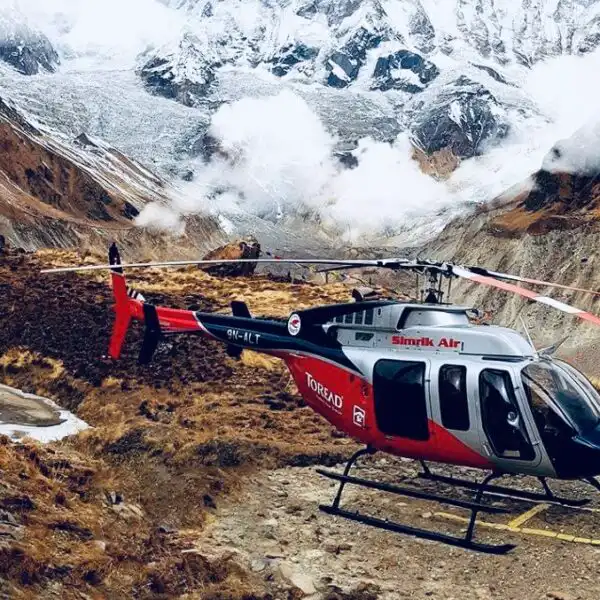
After summiting Island Peak, you will leave the Khumbu region by helicopter. After breakfast in Chhukung, you will head to the village helipad and be ready for takeoff. The flight crew will give the required briefing and weigh passengers and luggage prior to boarding.
Once preparations are complete, you will board the helicopter and fly to Kathmandu. Depending on the weather and the flight route, you can see Lhotse, Ama Dablam, Nuptse, and the Imja Glacier from the air. The helicopter can fly over Lukla and land there to refuel as needed. This depends on the flight conditions and requirements.
Once refueled, the helicopter will resume flight to Kathmandu. You will be picked up by a private vehicle and taken to your hotel upon arrival at Tribhuvan International Airport. The rest of the day is for rest after the hard climb to the summit and descent. You can relax at the hotel, have meals, and rest after several days of trekking and climbing at high altitude. The helicopter transfer offers an easy way to end the mountain part of your adventure.
Breakfast, Lunch and Dinner
Teahouse
Flight distance varies by route
6,189 m / 20,305 ft
Helicopter transfer to Kathmandu, 1 hour of flying
Day 11: Rest and Buffer Day in Kathmandu (1,350 m / 4,429 ft)
Today is a rest day after the Island Peak expedition, so you can rest and then leave the country. In the morning, you can rest at your hotel and relax after a few days of high-altitude climbing and trekking.
If you wish to relax or spend some time out, you can opt for a spa visit or explore heritage sites in Kathmandu. These activities are not compulsory, so you can choose what to do based on your energy and interests. You can also arrange a private sightseeing tour if you want to use the time.
It is also helpful to keep this day flexible, as mountain flights and helicopter transfers may be affected by weather and operating conditions. If a previous flight or transfer is late, the buffer day can help you adjust the schedule, though this depends on conditions. If all goes well, you can use the time to pack your luggage, review your travel papers, and get ready to head back home. You’ll spend your last night in your Kathmandu hotel.
Breakfast, Lunch and Dinner
Hotel
1,350 m / 4,429 ft
Rest and optional sightseeing, Full day for rest and optional activities
Day 12: Final Departure from Kathmandu (1,350 m / 4,429 ft)
Your climbing expedition to Island Peak ends today as you prepare to leave Nepal. Have breakfast at your hotel, then pack your luggage and make sure you have your passport, flight tickets, and other travel documents. The duration before the flight will be determined by your international flight schedule.
A representative and driver will pick you up at your hotel and drive you to Tribhuvan International Airport. Traffic will determine the travel time, so we recommend leaving enough time to drive, check in at the airport, and complete other formalities before departure.
By the time you leave Kathmandu, you will have trekked the Everest area, acclimatized in Namche Bazaar, reached Island Peak Base Camp, and explored the summit. Your return helicopter flight will also take you back to the mountain region.
No matter whether you made it to the top or were forced to go back due to the weather, safety, or any other factors, the expedition will have involved some preparation, physical work, and time in the high Himalayas. We wish you a safe trip home and hope you carry back good memories of your stay in Nepal.
Breakfast
1,350 m / 4,429 ft
Hotel check-out and airport transfer, Depends on flight schedule and airport transfer
Luxury Island Peak Climbing with Helicopter Return – 12 Days Additional Information
Luxury Island Peak Climbing with Helicopter Return Trip Difficulty
Climbing Island Peak requires good physical fitness, stamina, and several consecutive days of walking. The trekking route comprises hilly areas, rocky tracks, bridges, and rocky roads. Walking can also be more exhausting as you gain elevation because of reduced oxygen availability. Compared with normal trekking days, the summit attempt is more challenging because it involves technical climbing, cold temperatures, and an extremely early start.
The Luxury Island Peak Climbing with Helicopter Return accounts for acclimatization in Namche Bazaar and base camp training in practical climbing skills. These stages will prepare you to attempt the summit, but they do not eliminate the risks associated with altitude. Past trekking experience is advantageous, and basic mountaineering experience may simplify the technical sections.
Under your guide’s supervision, you may need to use crampons, a harness, ropes, and ascenders during the climb. Snow and weather may alter the level of difficulty of the route. Your guide may delay or cancel the summit attempt if conditions are not favorable.
Build up with regular hiking, cardio, and strength training before you travel. You must also be psychologically prepared to turn back if needed. The summit is a goal, and safety is always the main aim.
Weather and Best Time
The best seasons to climb Island Peak are spring and autumn. Spring is generally a good time to trek and climb, especially in April and May, but snow and strong winds may still interfere with the climb. Visibility is generally good in autumn, and trekking conditions are favorable in October and November. Mountain weather is also unpredictable, so no season guarantees a successful peak.
Temperatures differ between Kathmandu, the lower trekking settlements, and the higher camps. Days can be pleasant and sunny, but it gets much colder in the morning and evening as you gain altitude. The high altitude and cold, windy weather can also make the climb especially challenging.
For the Luxury Island Peak Climbing with Helicopter Return trip, weather planning is necessary for the summit climb and the helicopter trip. Poor visibility and severe winds may postpone or cancel flights, and cloud and snowfall may also occur. Decisions will be made by your guide and flight operator, who will evaluate the conditions.
Bring warm clothing, waterproof garments, insulated gloves, and appropriate mountaineering gear. Before you travel, confirm the expected seasonal weather with My Everest Trip and review the prescribed equipment list. Be flexible with your travel schedule, as weather-related delays can affect domestic flights and helicopter transfers.
Altitude Sickness and Acclimatization
One crucial issue to consider when climbing Island Peak is altitude sickness, since the path starts at a lower altitude and then rises into high mountain terrain. A lack of oxygen may result in headache, nausea, dizziness, fatigue, loss of appetite, and sleep problems. Anyone can experience these symptoms; age or fitness doesn’t matter, and they shouldn’t be ignored.
The itinerary includes an acclimatization day in Namche Bazaar, during which you will hike to Everest View Hotel and back to town. This gives your body time to acclimatize before you head to Tengboche, Dingboche, and Chhukung. Walking slowly, drinking enough fluids, and eating normal meals can help you adjust to the altitude.
In the Luxury Island Peak Climbing with Helicopter Return expedition, inform your guide as soon as possible should you develop unusual symptoms. Severe headache, confusion, inability to walk straight, or being out of breath at rest can be a sign of a severe problem that will need immediate medical intervention and descent. Do not go on climbing just because the top is nearby.
Talk to a qualified healthcare professional about your trip and discuss altitude risks and any medication beforehand. Your guide should monitor the group’s condition and adjust the itinerary if necessary. Acclimatization is a mitigation strategy to lower the risk factor, though not all cases of altitude illness can be averted. The safest option is to follow professional recommendations and prioritize your health over the intended schedule.
Preparation and Fitness
Training for Island Peak should start several months before your trip, especially if you are not used to long hikes. The expedition involves back-to-back trekking days with a heavy summit pack, so stamina and leg strength matter. You can prepare for the strenuous trails with regular exercise that will help you carry your day pack and walk steadily when the trail becomes challenging.
Helpful training exercises include brisk walking, hill hiking, climbing stairs, cycling, and cardiovascular exercise. Leg, hip, back, and core strength training can help you on unstable ground. When possible, walk for several hours with the daypack you plan to carry during the expedition and in the boots you’ll use. Train gradually, and rest.
For the Luxury Island Peak Climbing with Helicopter Return trip, pair physical training with knowledge of basic mountaineering gear. Training at base camp is easy to follow: practice with the right boots and learn how to put on a harness and crampons. The climbing guide will discuss the equipment and show you the necessary techniques.
Get enough sleep, eat a balanced diet, and don’t come in when you are tired. Consult a health practitioner before starting intensive training if you have a medical condition or haven’t exercised often. Preparation helps you get ready, but it doesn’t mean you’ll reach the top.
Climbing Permits and Entry Fees
Climbing Island Peak requires a climbing permit and permission for the designated and local areas along the trekking route. Depending on the season and the regulations that are applicable at the time you travel, the required permits and fees may be different. Before booking, verify the current requirements rather than relying on prices or details from previous trips.
The main permits are the Island Peak climbing permit, Sagarmatha National Park entry permit, and Khumbu Pasang Lhamu local entry permit. They offer various services, and a single permit does not necessarily replace the others. Also bring your passport and the necessary documentation on the trek, since you may be registered and your permits may be checked along the way.
My Everest Trip can explain which permits the confirmed package covers and which expenses are included in the booking price. Request a written breakdown prior to your final payment.
Remember the following:
- Make sure the Island Peak climbing permit is included.
- Check the national park and local entry fees.
- Provide the correct passport information to process permits.
- Bring the necessary papers along to the trek.
Permit requirements may vary, so check the latest rules before traveling. Do not assume all government fees are included unless the package inclusions specify them.
Health, Safety and Travel Insurance
Carefully plan a high-altitude climbing trip for safety. When traveling, get insurance that covers mountaineering on Island Peak, high-altitude trekking, emergency medical care, and helicopter evacuation at the involved altitudes. Numerous general travel insurance plans do not cover technical climbing or only offer coverage above a specific elevation. If the policy uses ambiguous wording, read it carefully and seek written confirmation to clarify any ambiguity.
On the Luxury Island Peak Climbing with Helicopter Return trip, listen to your guide when walking in the open areas, wearing climbing gear and traversing snow or ice. Report injuries, difficulty breathing, unusual fatigue, or altitude sickness symptoms immediately. Always follow your guide’s directions and stop climbing when he says it is not safe.
Bring your own medication, first-aid kit, and contact numbers in case of an emergency. Discuss any preexisting health issues with a trained medical expert before traveling, especially if you lack experience exercising at high altitudes.
In this scenario, the helicopter turnaround cannot be considered an emergency evacuation service. Flights can be postponed or canceled due to weather, visibility, landing conditions, or operational restrictions. Emergency evacuation is subject to conditions of aircraft availability and safe flight conditions.
Good safety habits include checking equipment before use, staying with the climbing team, drinking frequently, and following the agreed route. Never should your summit goal come at the expense of your health or the safety of other climbers.
Luxury Accommodation and Camping
Accommodation for this expedition will be determined by the location and facilities along the route. The package may also include a relaxing hotel in Kathmandu; the booked hotel type will be the one used. Before booking, confirm whether it includes a four-star or five-star hotel, private rooms, breakfast, and airport transportation.
During the trekking part, you will usually spend your nights in teahouses in villages like Phakding, Namche Bazaar, Tengboche, Dingboche, and Chhukung. These are practical rooms where trekkers can stay, though room standards, heating, bathrooms, and hot water vary. Not all stops should be expected to have luxury services.
The itinerary uses tents at Island Peak Base Camp instead of hotels. Camping amenities are simpler, and the night temperatures may be very low. What sleeping equipment, meals, dining, and camp support are to be provided should be confirmed by your organizer.
The Luxury Island Peak Climbing with Helicopter Return package is designed to ensure a relaxed trip by providing facilities where they matter and acknowledging the limitations of mountainous areas. Review the accommodation and camping categories, then make your reservation. Clear expectations help you identify where high-quality services are offered and where the trip needs less advanced services.
Food and Drinking Water
Food plays a major role in planning the consecutive days of trekking and a hard summit attempt. On the trail, teahouses usually offer rice, noodles, soups, potatoes, eggs, vegetables, and other local foods. The options narrow in larger settlements, since supplies must be delivered to distant regions.
For Luxury Island Peak Climbing with Helicopter Return, meals are usually booked based on the package inclusions. The base camp support team prepares meals based on the camping plan. Confirm whether breakfast, lunch, and dinner are included during the trek and climbing period, and whether any special dietary needs can be accommodated.
Drink plenty of water during the day even when it is cold and you feel less thirsty. Drinking water should be treated, filtered, or otherwise safely prepared. Water purification pills or an appropriate filter may be handy, depending on your arrangements.
Do not use the untreated water of streams or other natural sources. Teahouses can serve hot drinks, but other drinks and bottled beverages may add to your cost. Bring snacks you tolerate well, especially for long trekking days and the summit attack.
Inform the organizer about food allergies or dietary restrictions prior to departure. Proper nutrition and hydration can help sustain your energy, but neither will prevent altitude sickness.
Climbing Equipment and Packing List
Island Peak requires appropriate equipment because the summit path may include snow, ice, glaciers, and fixed ropes. Bring clothes suitable for varying temperatures, long hikes, and technical climbing. Your organizer should provide a comprehensive equipment list and clarify what’s included, rented, or bought separately.
The Luxury Island Peak Climbing with Helicopter Return trip includes basic climbing training at base camp, but you should bring appropriate personal clothing and footwear. Technical equipment should fit properly and should be suitable to the anticipated conditions.
Some of the items needed to prepare are:
- Clothing: Thermal base layers, fleece or insulated mid-layers, a waterproof jacket and trousers, a warm hat, a neck covering, and insulated gloves.
- Footwear: Appropriate trekking footwear, compatible mountaineering footwear, warm socks and camp footwear.
- Climbing gear: Crampons, harness, helmet, carabiners, jumar, etc as required by the climbing team.
- Personal essentials: Headlamp and extra batteries, sunglasses, sunscreen, personal medicine, water bottle and toiletries.
- Travel items: Passport, permits, insurance documents, cash and small daypack.
Check to see whether the package includes a sleeping bag, down jacket, climbing boots, and technical equipment. Check your gear before the trip and don’t carry extra items. A proper fit and comfort with the equipment are better than carrying too much.
Helicopter Return and Flight Arrangements
This expedition involves the planned helicopter transfer. After your summit attempt and return to Chhukung, you will head back to Kathmandu, depending on your flight arrangements. When visibility and weather permit, the helicopter can offer views of the surrounding mountainous landscape.
For the Luxury Island Peak Climbing with Helicopter Return, the flight operator must consider weather, visibility, landing conditions, aircraft performance, and passenger weight. Luggage may be limited, so before packing, it is important to confirm what is allowed. The operator can weigh passengers and baggage before departure.
Depending on the aircraft and the operational plan, a stop at Lukla to refuel may be necessary. Flight time may vary, so the transfer cannot be considered a fixed time.
Vital aspects to check out before leaving:
- Whether the helicopter transfer is private or shared.
- Baggage allowance and charges for excess weight.
- What happens in case the flight is delayed due to weather.
- Overnight accommodation and other transfers during delays.
My Everest Trip aims to be clear about what’s included in your package and the contingency plan. Helicopter flights are weather-sensitive, and delays may impact further international flights. It is reasonable to have a loose plan of departure when traveling in the Himalayas.
Transportation and Domestic Flights
Your transportation will start with your landing at Tribhuvan International Airport, Kathmandu. You will be taken to your hotel, where you will have a chance to rest and prepare to go out on the expedition. A vehicle will then take you back to the airport at the end of the trip, where you will board a plane back to your international destination.
The trip to the Everest area typically includes an airplane flight to Lukla. Flights can depart from Kathmandu or Ramechhap Airport, depending on the time of year, airline schedules, and operational arrangements. If you must leave from Ramechhap, you will be transferred by road from Kathmandu, which can take several hours and may start early in the morning.
Luxury Island Peak Climbing with Helicopter Return includes a scheduled helicopter flight between Kathmandu and Chhukung upon successful completion of the mountain portion. The flight depends on weather and operational conditions and may be changed if it is not safe to fly.
Find out whether your package cost includes airport transfers and the Lukla flight, as well as road transport to Ramechhap and the helicopter return. Also ask how flight delays are handled and whether you have to pay extra for accommodation or transport.
Domestic flights in mountainous areas can be affected by weather, visibility, and air traffic. Allow enough leeway in your travel arrangements, especially before your international departure. Before traveling, your last transportation arrangements must be checked.
Mobile Network, Internet and Charging Facilities
Mobile coverage, internet access and charging facilities vary throughout the Everest region. You can also find mobile signals, Wi-Fi services, and electronic device charging points in larger settlements like Namche Bazaar. Availability depends on the provider, weather, local infrastructure, and the accommodation you are staying in.
The higher you go, the less reliable the connection can be, especially at Island Peak Base Camp. During the trek or in camp, you should not expect to have a constant mobile connection. Internet access at teahouses may cost extra, and the connection can be slow.
On the Luxury Island Peak Climbing with Helicopter Return trip, use your phone primarily to communicate the most important aspects of the trip, but don’t rely on it for unlimited internet. Booking details, insurance documents, important contacts, maps, etc. Download maps, booking details, insurance documents, and important contact information before leaving Kathmandu. You can also access a copy of the information offline, which can come in handy if there’s no signal.
Practical tips include:
- Bring a power bank and the appropriate charging cables.
- Bring an appropriate adapter for your devices.
- Keep electronic equipment warm and dry.
- Enquire about fees for using teahouse facilities.
Provisions in base camp might involve limited or no charging options. Check the availability of charging facilities and come with adequate backup power for the necessary devices.
Additional Expenses
Though accommodation, meals, trekking arrangements and climbing support may be included in the package, there are usually some personal costs. This will vary depending on services you have booked, how much you spend and whether or not there are delays which will involve additional nights or transfers.
In the case of the Luxury Island Peak Climbing with Helicopter Return trip, request the list of inclusions/exclusions to be clear and confirm your reservation. This will assist you in making a realistic budget and lessen the possibility of facing unplanned expenses in the expedition.
Potential extra costs are:
- International flights and visa fees, unless otherwise stated.
- Your own snacks, additional beverages, and food not included in the package.
- Hot showers, Wi-Fi and charging of electronic devices at teahouses.
- Individual purchases or rental costs of equipment not provided.
- Guidelines on how to advise the support team, porters and guides.
- Travel insurance and any medical bills not included in your policy.
- Other accommodation, meals, or transport as a result of delays, if not covered.
- Helicopter-related charges, such as excess baggage, etc.
Some of these things may be included in the package, so I don’t think all expenses need to be paid separately. Request a written explanation regarding the helicopter arrangement, permit fees, equipment provision, and delay policy. Bring Nepalese rupees for small purchases in mountain settlements, where payment is only by card.
Climbing Guide, Porters and Support Team
Support staff play a key role in planning the trek and training for the Island Peak summit expedition. The trekking guide manages the day-to-day route, helps arrange accommodation and meals, and keeps track of the group. The climbing guide provides technical training, equipment use, and pre-attempt condition evaluation before and during the summit.
Depending on the package arrangement, porters can help transport trekking luggage and equipment. The support crew can help with tents, meals, and other base-camp logistics. Clarify the exact duties and manpower before departure.
My Everest Trip can clarify which guides, porters, and camp staff are included in the booking. Ask whether a qualified climbing guide will lead the summit attempt and how the team handles safety, communication, and emergencies.
On the Luxury Island Peak Climbing with Helicopter Return, work as a team and heed the instructions. Inform your guide if you are ill, find the pace slow, or have questions about the equipment. The team might need to change the schedule or advise you not to climb.
A good support team makes the organization process easier and will help you prepare for challenging parts, but it will never guarantee success on the summit, nor will it remove the risks of climbing the mountain. Effective communication and clear expectations are essential along the way.
Important Rules and Responsible Climbing
Responsible climbing protects the mountain environment and promotes the safety of everyone on the expedition. The Everest region has delicate terrain, local communities, and protected areas where visitors must follow set regulations. The effects of trekking and climbing can be minimized by carrying waste to the correct disposal points and following local guidance.
The Luxury Island Peak Climbing with Helicopter Return will include your guide briefing you on the route, technical aspects, and safety requirements. Adhere to the agreed plan, stay with the group when asked, and do not work on sections that are not easy without seeking advice. Do not attempt to use climbing equipment without knowing its purpose and without proper instruction.
The following are important practices to observe:
- Obey the guide’s decisions and follow their guidelines.
- Use crampons, ropes, harnesses, and ascenders only with instruction.
- Bring personal rubbish and dispose of waste properly.
- Appreciate local traditions, property and conservation laws.
- Do not disturb the wildlife or destroy vegetation.
- Immediately report altitude sickness symptoms or problems with equipment.
- Return when the weather, state of the route, or health makes it unsafe.
Responsible behavior also implies adopting a view that it is not always possible to reach the summit. Situations can vary rapidly, and the most reasonable step might be to land. You can make the expedition safer by respecting the mountain environment and following the support team’s guidance to protect yourself and others.
Buffer Days, Weather Delays and Summit Success
Flexibility is necessary in mountain travel as weather conditions can influence the time of trekking, flights within the country, and helicopter tours. The trip schedule has a buffer day in Kathmandu following the scheduled helicopter return. It provides more time to rest and may allow for schedule changes, though it cannot address all possible delays.
Conditions at Island Peak also affect the summit attempt. Climbing may be unsafe due to strong winds, snowfall, poor visibility, unstable snow, or other hazards. The guide may decide you should abandon or delay the summit, even if you are physically ready.
For the Luxury Island Peak Climbing with Helicopter Return trip, ensure the organizer will cover flight cancellations and any extra nights, meals, transport, or helicopter fees. These packages and operators can vary in these arrangements.
Do not plan an international flight too soon after your planned mountain-side departure. A buffer between the helicopter ride and your departure from Nepal can reduce the chance of missing your flight if the weather delays you.
Summit success is never certain, and a helicopter rescue depends on favorable conditions and operational availability. The ideal result is a well-regulated expedition whereby the group adheres to good safety judgments. Flexibility will help you respond to changing circumstances without adding unnecessary stress to the climbing team.

Tripadvisor Reviews



Google Reviews


Luxury Island Peak Climbing with Helicopter Return – 12 Days FAQs
Should I have prior climbing experience on Island Peak?
Prior experience of mountain climbing is beneficial since the summit path will be technical, with gear and difficult terrain. Your fitness, training and capacity to obey the instructions of the guide are also factors.
What is the difficulty of Island Peak climbing?
The trip involves both a few days of hiking and a challenging summit hike with snow, ice and technical gear. Physical fitness and proper acclimatisation are crucial.
When is Island Peak climbing best?
Preferably spring, especially April and May and autumn, especially October and November. There is no guarantee of the weather and conditions may not be favourable at the summit.
What is the height of Island Peak?
Island Peak reaches (6,189 m / 20,305 ft) above sea level. Acclimatisation, a gradual increase in altitude and close observance of symptoms, is of great importance.
Is climbing equipment provided?
There may be or can be rented certain technical equipment depending on the package. Ensure that climbing boots, crampons, harnesses, helmets and other necessary equipment are provided prior to the start of the climb.
Will the helicopter return be assured?
No. The scheduled helicopter transfer is subject to weather, visibility, landing conditions and availability. There might be a need for delays or other arrangements.
What is the accommodation in the expedition?
The program involves staying at a hotel in Kathmandu, teahouses on the trek and camping in tents at Island Peak Base Camp. Check the type of hotel and specific amenities that are part of your package.
Do I require travel insurance for this trip?
Yes. You ought to take out insurance that specifically addresses high-altitude trekking, mountaineering on Island Peak and emergency helicopter evacuation at the heights encountered. Pre-travel, check all exclusions.
What happens if I cannot reach the summit?
Your guide can advise you to turn back due to health reasons, weather, or poor road conditions. The peak is never assured and going back safely is more crucial than climbing the peak.
What additional expenses should I prepare for?
Additional expenses may be personal snacks, charging, Wi Fi, equipment rental, tips and delay-related expenses. Look at the package inclusions and exclusions to make your budget correctly.
US$ 5,500 per person
- 24/7 Customer Support
- Experienced and Professional Team
- Hassle-Free and Easy Booking
- 99% Customer Satisfaction
- Fair Prices, Exceptional Service
- No Hidden Costs and Secure Payments
- Tailored and Personalized Itineraries
24 X 7 Live Support
Puru (+977-9851069558)
Related Trips
Moderate 🞄
5.0 (176)
 5.0 (176)
16 Days Everest Base Camp Trek with Island Peak Climbing
 US$ 2,045
16 Days in Nepal