





13 Days


Quick Facts

Transport : Airport pick up and Droup

Hotel, Lodge, Tent

Meal: Breakfast, Lunch and Dinner

Trekking / Climbing

October-December and March-May

Difficult

Nepal

6461 M/ 21197ft

Kathamndu - Lukla - Khare - Sumit Mera Peak - Khare - Lukla - Kathmandu
US$ 5,500 per person
-
1 -
peopleUS$ 9500
-
2 + people
9999
US$ 5500
- 24/7 Customer Support
- Experienced and Professional Team
- Hassle-Free and Easy Booking
- 99% Customer Satisfaction
- Fair Prices, Exceptional Service
- No Hidden Costs and Secure Payments
- Tailored and Personalized Itineraries

24 X 7 Live Support

Puru (+977-9851069558)


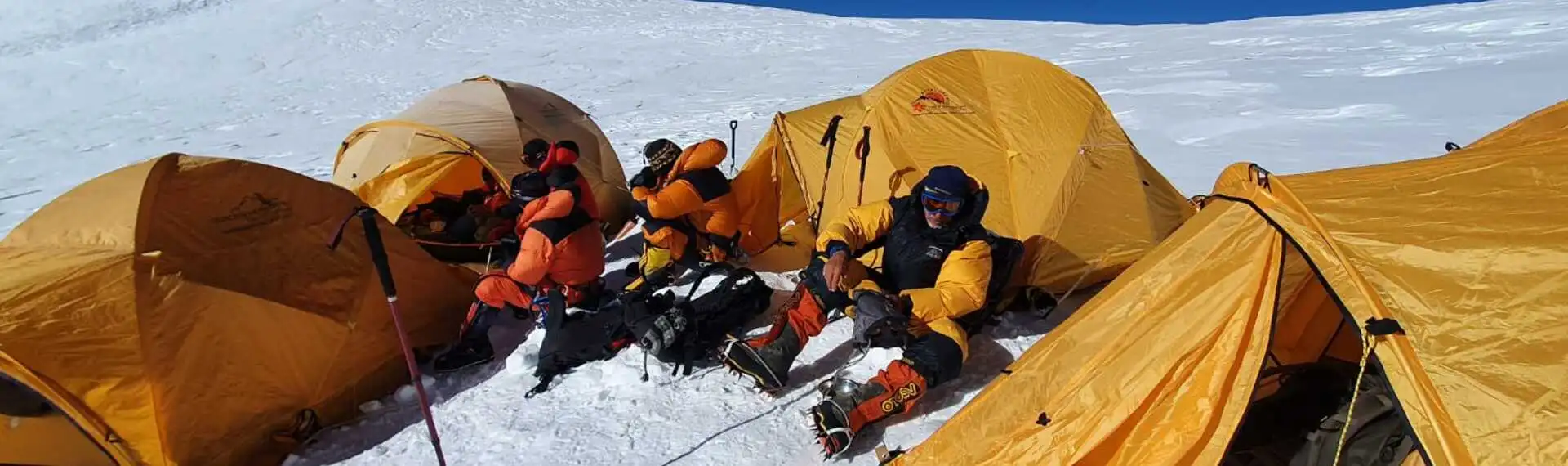
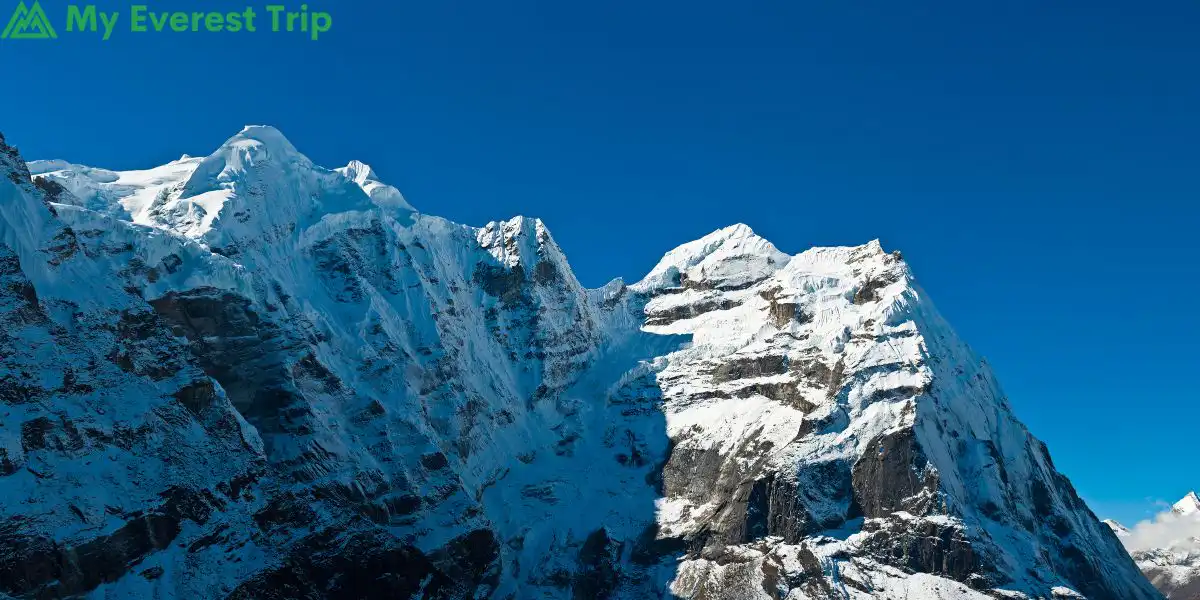
Why Luxury Mera Peak Climbing with Helicopter Return – 13 Days?
- Take a scenic helicopter flight from Kathmandu to Lukla.
- Trek through Paiya, Panggom, Ningsow, Chhatra Khola and Kothe.
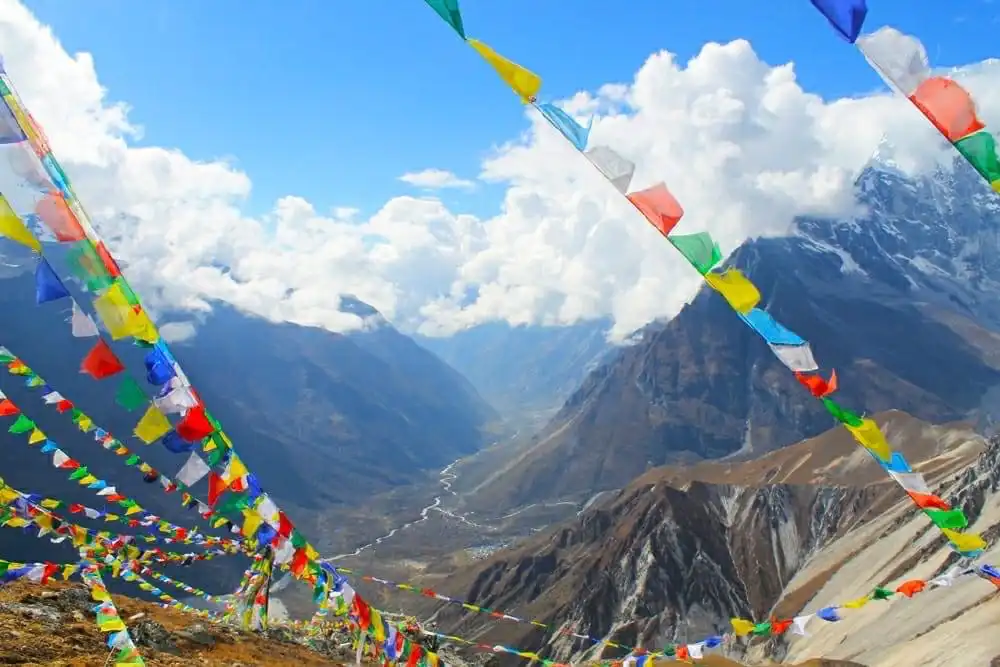
- Watch the lower forests give way to alpine meadows and glacial terrain.
- Practice using crampons, an ice axe, a harness, a helmet, and a climbing rope.
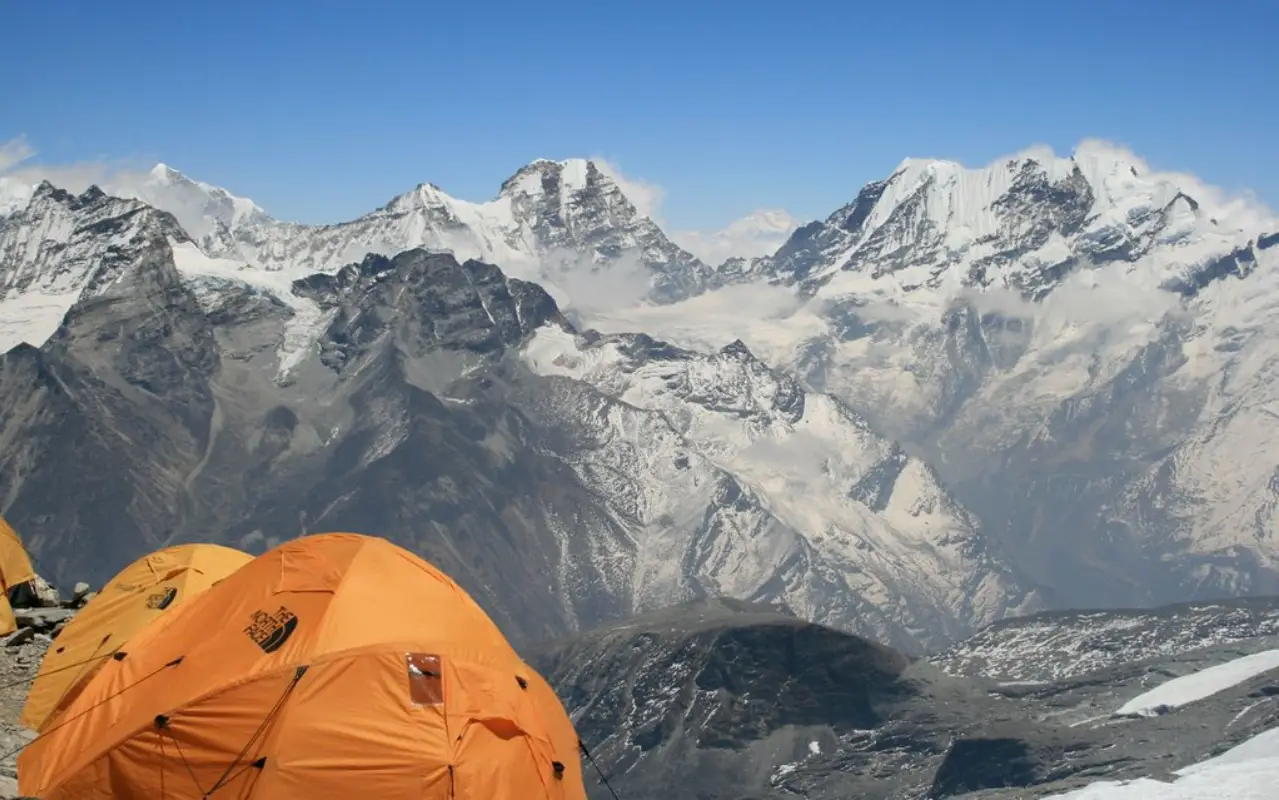
- Stay at Mera High Camp beneath a wide Himalayan panorama.
- Attempt Mera Central at approximately 6,461m.
- Return from Khare toward Kathmandu by helicopter, normally via Lukla.
Luxury Mera Peak Climbing with Helicopter Return – 13 Days Overview
The Luxury Mera Peak Climbing with Helicopter Return itinerary combines a supported trek to Mera Peak with a planned helicopter return, reducing the need to retrace the full route on foot. The journey begins in Kathmandu and continues by shared helicopter to Lukla before following quiet trails through Paiya, Panggom, Ningsow, Chhatra Khola, Kothe, Thangnak and Khare.
The lower approach passes through forest, narrow valleys, suspension bridges and small mountain settlements. As the route gains height, the scenery changes into open alpine country around Thangnak and glacial terrain near Khare. This gradual change makes the journey more than a direct climb. It gives you time to get familiar with the trail, settle into the pace, and watch how your body responds as the altitude rises.
At Khare, the expedition enters its main climbing-preparation stage. The itinerary allows time for acclimatization, equipment checks, and practical training before the group moves to higher camps. You will spend an acclimatization day learning how to use crampons, an ice axe, a harness, a helmet and a climbing rope.
The guide will also explain movement on snow and ice, equipment care, summit-day timing, and the importance of maintaining a steady pace. These preparations are useful for climbers who want a structured introduction to a high Himalayan peak.
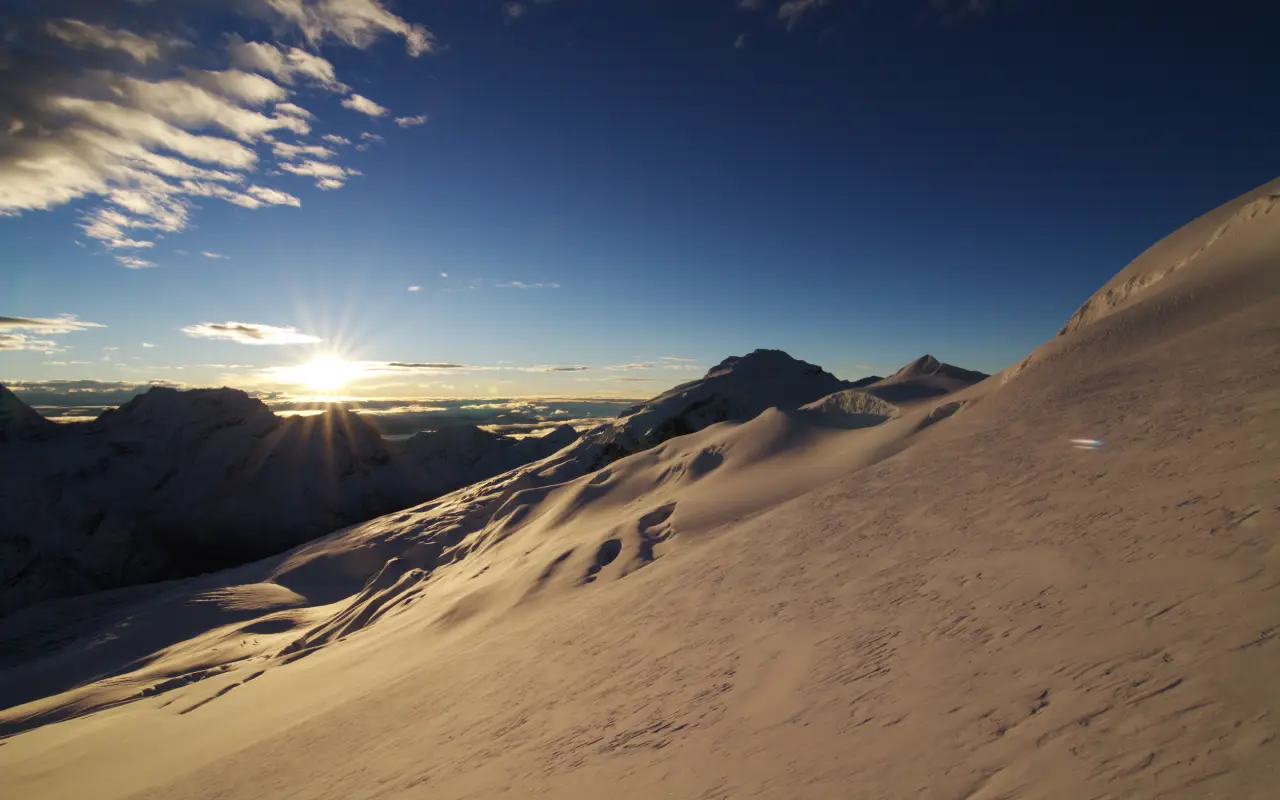
The route then moves to Mera High Camp before the pre-dawn summit attempt. The Luxury Mera Peak Climbing with Helicopter Return plan keeps the summit approach clearly organized. Mera Central is approximately 6,461m, and the final ascent includes cold temperatures, thin air, glacier travel, and changing snow conditions. A summit is never guaranteed because the guide must consider weather, route safety, health, and the team’s condition before continuing.
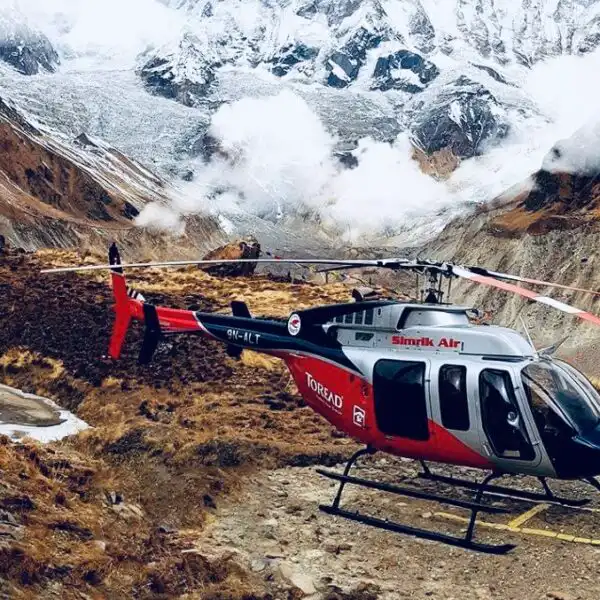
After returning to Khare, the Mera Peak Helicopter Return arrangement avoids the long walk back to Lukla. The flight normally flies through Lukla before continuing to Kathmandu, but the pilot and aviation operator will make the final decision based on visibility, wind, aircraft performance, landing conditions, and current regulations. A helicopter return shortens the descent, but it does not remove the need for careful acclimatization and proper climbing preparation.
My Everest Trip will coordinate the main services shown in the confirmed itinerary, including airport transfers, accommodation, meals, route support, permits, climbing assistance and helicopter arrangements. The term luxury refers to the expedition’s organization, with attentive coordination, selected city accommodation, and a more comfortable return plan. Mountain lodges and High Camp remain simple because the remote environment limits available facilities.
Quick Facts of Luxury Mera Peak Climbing
| Trip Information | Details |
| Duration | 13 days and 12 nights |
| Region | Hinku Valley and Mera Peak area |
| Starting Point | Kathmandu |
| Trek Start | Lukla |
| Trekking Route | Paiya, Panggom, Ningsow, Chhatra Khola, Kothe, Thangnak and Khare |
| Highest Camp | Mera High Camp, around 5,780m |
| Accommodation | Four-star luxury hotel in Kathmandu, comfortable teahouses or mountain lodges, and tented High Camp, subject to the confirmed package |
| Meals | Breakfast, lunch and dinner during the main route, as stated |
| Transport | Private road transfers and shared or confirmed helicopter services |
| Difficulty | Challenging and physically demanding |
| Best Seasons | Spring and autumn are generally preferred |
| Suitable For | Fit trekkers and climbers seeking a supported peak experience |
The route includes high camps, glacier travel and a summit attempt. Walking hours, landing arrangements, and overnight locations can change if weather, snow, health, or aviation conditions require a safer plan. The Luxury Mera Peak Climbing with Helicopter Return service follows the route and support details shown in the confirmed itinerary.
Mera Peak Climbing Route Overview
The Luxury Mera Peak Climbing with Helicopter Return route starts with preparation in Kathmandu. The first evening is used for a briefing, equipment check, and final arrangements. The next morning, a shared helicopter carries the group to Lukla. From the airfield, the trail heads south through Paiya, crosses several forested passes, and joins the Hinku Valley approach.
The first trekking stages vary rather than stay continuously steep. The Luxury Mera Peak Climbing with Helicopter Return route gives you time to settle into the mountain rhythm. You reach Paiya, Panggom, and Ningsow via forest trails, short climbs, descents, and open ridges. Chhatra Khola and Kothe mark the transition toward the higher valley. The landscape grows quieter as the route moves away from the lower settlements and deeper into the mountains.
From Kothe, the trail follows the Hinku Valley toward Thangnak. This section introduces the group to higher alpine conditions, so the stage is paced carefully. The forest gradually becomes thinner, and alpine meadows begin to replace the lower woodland. The pace will be controlled as the route passes 4,000m. From Thangnak, the path continues through glacial surroundings to Khare, where the summit preparation begins.
The acclimatization day at Khare combines rest, a short hike to higher ground, and practical training. The next stage climbs to Mera High Camp over the Mera La area and higher glacial ground. The summit attempt begins before dawn and aims for Mera Central. The descent returns to Khare, where the team rests and prepares before the planned helicopter flight.
| Route Stage | Main Landscape or Activity |
| Kathmandu to Lukla | Preparation and shared helicopter flight |
| Lukla to Paiya | Forest trails, bridges and Chutok La area |
| Paiya to Panggom | Khari La and wooded mountain paths |
| Panggom to Ningsow | Panggom La, meadows and open hillsides |
| Ningsow to Chhatra Khola | Forest, suspension bridge and Makalu Barun area |
| Chhatra Khola to Kothe | Hinku Valley and permit checkpoint |
| Kothe to Thangnak | Alpine meadows and gradual altitude gain |
| Thangnak to Khare | Glacial lake, moraine and high mountain trail |
| Khare | Acclimatization and climbing training |
| Khare to High Camp | Mera La and glacial climbing terrain |
| High Camp to Mera Central | Pre-dawn summit attempt and descent |
| Khare to Kathmandu | Helicopter flight, normally via Lukla |
Why Choose Luxury Mera Peak Climbing?
The Luxury Mera Peak Climbing Package is designed for travelers who want a guided mountain expedition with greater comfort before and after the trek.
The Luxury Mera Peak Climbing with Helicopter Return option also keeps the mountain experience fully supported. Kathmandu accommodation, airport assistance, route coordination, and the planned helicopter exit reduce the logistical work that can make a peak journey stressful.
The approach route is an important part of the experience. The journey passes through forested valleys and smaller settlements before reaching the open Hinku Valley. This gradual progression makes the route rewarding before the climbing stage begins.
The expedition includes a dedicated training day at Khare. This is useful for climbers who have limited experience with crampons, ice axes, or glacier travel. The climbing guide will demonstrate the equipment and explain how to move safely on snow and ice. The training helps you reach the higher camps better prepared. The Mera Peak Helicopter Return itinerary places this session before the higher camps.
It is one of the main reasons travelers choose Luxury Mera Peak Climbing with Helicopter Return. After a summit attempt, returning over the full trekking route can take several additional days. A helicopter exit can save time and reduce the physical demand of the descent, although it remains subject to aircraft availability and mountain weather. Treat the planned flight as an important service, not an unconditional guarantee.
Luxury Mera Peak Climbing with Helicopter Return – 13 Days Itinerary
Day 01: Arrival in Kathmandu and Expedition Preparation
When you arrive at Tribhuvan International Airport, our airport representative will meet you and arrange the transfer to your hotel. Our team will make the arrival process clear before the expedition briefing begins. After checking in, you can rest and recover from the journey.
Later, the climbing guide will explain the route, walking schedule, high camps, and planned helicopter exit. We will inspect your personal equipment and identify anything you need to hire or purchase before the mountain section begins.
The briefing will also cover altitude, weather, insurance, and the early departure. The evening remains flexible for rest. Overnight in Kathmandu.

According to the arrival time

Hotel

1,400 m / 4,593 ft

Airport transfer, briefing and gear preparation
Day 02: Shared Helicopter Flight to Lukla and Trek to Paiya
We will take an early shared helicopter flight from Kathmandu to Lukla. This is the first flight stage of the Luxury Mera Peak Climbing with Helicopter Return itinerary. Clear weather may reveal mountain ranges and peaks during the journey, though views depend on cloud cover and visibility.
After landing, the local climbing crew will help organize the luggage and prepare the group for the first walking stage. The trail descends through forest toward the Handi Khola and crosses a suspension bridge. From Surke, the route follows the southern trail toward Pake before climbing through woodland toward the Chutok La area.
We will then descend toward Paiya, a small settlement surrounded by green hills and mountain views. The first walking day is kept steady rather than rushed, allowing everyone to settle into the trail pace. Overnight in Paiya.
Breakfast, lunch and dinner
Lodge
2,945 m / 9,662 ft
Shared helicopter flight and trek to Paiya, 5 to 6 hours
Day 03: Paiya to Panggom
After breakfast, we will leave Paiya and briefly descend toward Paiya Khola before continuing through forested mountain terrain. The trail climbs toward Khari La, reaching approximately 3,081m.
From the pass, the route continues through Lenji Kharka and gradually opens toward the Dudh Koshi River. On clear days, the higher sections provide views of the surrounding hills and peaks. The route includes uneven ground and repeated changes in gradient, so we will maintain a comfortable rhythm and take useful breaks.
Panggom is a small mountain settlement linked with historic approaches toward Everest. After arriving, you can rest at the lodge, organize your daypack, and discuss the next stage with the guide. Overnight in Panggom.
Breakfast, lunch and dinner
Lodge
3,081 m / 10,108 ft
Trek through forest and over Khari La, 5 to 6 hours
Day 04: Panggom to Ningsow
The morning trail climbs toward Panggom La at approximately 3,175m. After crossing the pass, we will continue north through woodland, open slopes, and green meadows. Mera Peak and Numbur Peak may start to appear as the lower forest no longer restricts the view. The path crosses the Peseng Kharka Khola, passes through the Sibuje area, and reaches Peeng Kharka Danda.
The day includes both ascents and descents, but the walking distance is moderate. We will keep the group together on steeper or slippery sections and allow time for photographs where it is safe to stop. From the Ningsow Khola area, the trail continues toward Ningsow village. Overnight in a local lodge.
Breakfast, lunch and dinner
Lodge
3,175 m / 10,417 ft
Trek over Panggom La and through mountain forest, 4 to 5 hours
Day 05: Ningsow to Chhatra Khola
Today’s stage is longer, with several climbs and descents. From Ningsow, we will head toward Ramailo Danda through forested terrain. On clear days, the route may provide views of Mojang, Salpa, Mera, Sanu, and Kusum Kanguru. The trail continues toward Tama Khola, crosses a suspension bridge, and climbs to the area known as 4G Danda.
A mountain lodge on the route provides a useful place for tea and a short rest. We will then follow the Pasang Lhamu trail into the Makalu Barun National Park area. The final section leads to Chhatra Khola, where the lodge offers a welcome chance to relax after a long day. Drink regularly and tell the guide if you feel unusually tired. Overnight in Chhatra Khola.
Breakfast, lunch and dinner
Lodge
3,122 m / 10,243 ft
Trek through forest and Makalu Barun National Park area, 7 to 8 hours
Day 06: Chhatra Khola to Kothe
The trail continues north through a moss-covered forest and mountain vegetation. The schedule lets the group gain elevation gradually from here. We will climb gradually at first, then follow a flatter section through the Hinku Valley.
The route passes Taktor and continues toward Tashing Dingma beside the Hinku Khola. A long suspension bridge over the Sanu Khola leads into the next part of the valley. As we approach Kothe, the forest changes, and the surroundings feel more remote. The route may include a permit check at the relevant Makalu Barun National Park point.
Kothe is an important overnight stop because the following days take you into the higher alpine environment. We will have time to rest, check clothing, and prepare for the increasing altitude. Overnight in Kothe.
Breakfast, lunch and dinner
Lodge
3,600 m / 11,811 ft
Trek through the Hinku Valley and complete permit procedures, 6 to 7 hours
Day 07: Kothe to Thangnak
The forest gradually gives way to alpine meadows as we follow the trail toward Thangnak. Because the route crosses 4,000m, we will keep a deliberately comfortable pace. The path follows the Drangka ridge beneath Mera Peak and passes through areas used by local herders.
We may meet people tending animals during the day, and we will pass through Gondishung, where we can arrange a rest and lunch stop. If time and conditions allow, the group can visit the old Lungsumgba Gompa before continuing uphill.
The final trail climbs through increasingly open terrain toward Thangnak, a small seasonal settlement with simple lodges and shops. The air will feel thinner here, so rest, hydration, and warm clothing become more important. Overnight in Thangnak.
Breakfast, lunch and dinner
Lodge
4,358 m / 14,298 ft
Trek through alpine meadows and past Gondishung, 4 to 5 hours
Day 08: Thangnak to Khare
We will leave Thangnak and move into higher glacial surroundings. The trail climbs toward the Sabai Tsho area before crossing rocky and uneven ground near the Hinku Nup Glacier. Some sections can be slippery, and the guide will choose a careful pace.
The route may feel demanding even though the walking time is shorter than the previous stage because the altitude is now considerable. Views of Kangtega, Charpate and Mera Peak become stronger as we approach Khare.
On arrival, the climbing team will review the equipment, sleeping arrangements, and plans for the next acclimatization day. Khare has basic mountain facilities, so keep expectations realistic and use the evening to rest rather than do unnecessary activity. Overnight in Khare.
Breakfast, lunch and dinner
Lodge
5,045 m / 16,552 ft
High altitude trek through glacial terrain, 3 to 5 hours
Day 09: Acclimatization and Climbing Training at Khare
We will spend the day at Khare to help the body adjust before the higher camps. The climbing guide will explain how to use crampons, an ice axe, climbing boots, a harness, a helmet, and a rope system.
You will practice basic movement on snow and ice and learn how to keep a safe distance and rhythm while traveling with the climbing team. A short acclimatization hike may continue toward the Mera Base Camp area, reaching approximately 5,350m if weather and group condition allow.
We will return to Khare after the training and keep the rest of the day quiet. This is also a useful time to check gloves, headlamp, layers, batteries, and personal medication. Overnight in Khare.
Breakfast, lunch and dinner
Lodge
5,350 m / 17,552 ft
Acclimatization hike and pre climbing training, 3 to 4 hours
Day 10: Khare to Mera High Camp
The climb toward High Camp begins after an early breakfast. This stage requires careful pacing and good preparation. The trail becomes steeper and more rugged as it approaches the Mera La area. We will cross rocky ground and higher glacial terrain, with the guide choosing the safest route based on snow, ice, and visibility.
The pass is approximately 5,415m, and the crossing may feel demanding because of the altitude. From the pass, the route continues toward Mera High Camp at approximately 5,780m. When the sky is clear, the camp offers a wide panorama that can include Everest, Lhotse, Makalu, Chamlang, Baruntse, Nuptse,
Pumori, Cho Oyu and Ama Dablam. Once camp is established, we will eat, rest, and review the summit plan. Overnight in a tented High Camp.
Breakfast, lunch and dinner
Tent
5,780 m / 18,963 ft
Glacier travel and climb to High Camp, 6 to 7 hours
Day 11: Summit Attempt on Mera Central and Descent to Khare
The summit day will begin around 2:00 AM. A Luxury Mera Peak Climbing with Helicopter Return summit attempt depends on safe conditions throughout the night. After a light meal and final equipment check, we will set out under headlamps.
The route crosses the glacier and gains height gradually, although the cold, darkness and thin air make the early hours demanding. The guide will decide the pace and may use a fixed rope on the steeper final section if the snow and ice require it. The objective is Mera Central at approximately 6,461m. From the summit, clear conditions may reveal a broad panorama of Himalayan peaks.
We will spend only the necessary time at the top before beginning the descent. The team will return to High Camp for a short rest and food, then continue down to Khare. The schedule may change according to weather, route condition, health and group progress. Overnight in Khare.
Breakfast, lunch and dinner
Lodge
6,461 m / 21,198 ft
Summit attempt and descent from High Camp, 10 to 12 hours or longer
Day 12: Helicopter from Khare to Kathmandu via Lukla
After breakfast, we will prepare for the helicopter flight from Khare. The planned mountain exit begins from here. The usual plan is to fly to Lukla and continue to Kathmandu, although the aircraft may make an operational stop and the route may change depending on weather, visibility, aircraft performance, and landing conditions. The pilot will have the final authority to operate, delay, shorten, or change the flight.
After arriving in Kathmandu, our vehicle will transfer you to the hotel. You can use the afternoon to rest, shower, and make personal arrangements after the mountain section. A farewell dinner may be included, depending on the confirmed service plan.
If the flight is delayed, the team will explain the available practical arrangements, and any additional costs will follow the booking terms. Overnight in Kathmandu.
Breakfast and dinner
Hotel
1,400 m / 4,593 ft
Helicopter flight and hotel transfer, 1 hour excluding operational stops
Day 13: Departure from Kathmandu
Your expedition ends today. The program concludes after the Kathmandu transfer. After breakfast, we will arrange your airport transfer according to your international flight time. To make the morning transfer easier, we suggest you prepare your passport, travel documents, and personal belongings the night before.
If you want to stay longer in Nepal, you can book additional hotel nights, sightseeing, and transport separately. Otherwise, our representative will transfer you to Tribhuvan International Airport according to your international flight schedule. If an earlier helicopter delay affects your departure, the team will discuss available arrangements and any additional costs based on the confirmed booking terms.
Breakfast
1,400 m / 4,593 ft
Airport transfer and departure
What To Expect?
What's Included
- Airport pickup and departure transfer in Kathmandu.
- Selected hotel accommodation in Kathmandu, as per the confirmed package.
- Shared helicopter flight from Kathmandu to Lukla as stated in the itinerary.
- Helicopter return from Khare to Kathmandu via Lukla, subject to weather and flight availability.
- Lodge or teahouse accommodation during the trekking section.
- Tented accommodation at Mera High Camp.
- Breakfast, lunch and dinner according to the itinerary.
- Professional trekking and climbing guide.
- Sherpa, porter and climbing support according to the confirmed arrangement.
- Mera Peak climbing permit and applicable route documentation.
- Required local or protected area permits stated in the quotation.
- Climbing training and group equipment according to the confirmed package.
- Airport, hotel, and route transfers described in the itinerary.
- Trip coordination and assistance from My Everest Trip.
- Applicable government taxes and service charges stated in the quotation.
What's Excluded
- International flights to and from Nepal.
- Nepal tourist visa and personal travel documents.
- Travel, medical, evacuation and high-altitude rescue insurance.
- Personal climbing clothing and equipment unless specifically listed as included.
- Personal expenses, drinks, snacks and charging fees.
- Laundry and telephone or internet charges.
- Additional accommodation or meals caused by delays, cancellations or route changes unless covered by the confirmed terms.
- Medical treatment and rescue expenses not covered by insurance or the confirmed service.
- Tips and gratuities for guides, climbing staff, porters, drivers and hotel staff.
- Optional sightseeing, extra nights and private helicopter charter unless specifically arranged.
- Costs caused by severe weather, flight cancellation, airport closure, natural events, government decisions or circumstances outside the company’s control.
- Any service not specifically mentioned under What’s Included.
Luxury Mera Peak Climbing with Helicopter Return – 13 Days Additional Information
Climbing Difficulty and Physical Preparation
Mera Peak is a challenging high-altitude climb that combines several days of trekking with glacier travel and a pre-dawn summit attempt. The Mera Peak Climbing Expedition requires preparation before you arrive in Nepal. The route is sometimes described as technically manageable in good conditions, but that should not be confused with being easy. Cold, wind, steep ground, thin air, and changing snow can make each stage demanding.
You should be comfortable walking for several hours on consecutive days and managing uphill and downhill trails. This preparation is especially important for the Luxury Mera Peak Climbing with Helicopter Return program. Regular hill walking, stair training, strength work, and cardiovascular exercise can help.
Start training before arrival rather than during the first trekking days. Previous high-altitude trekking or basic alpine experience is a strong advantage, although the guide will still provide equipment instruction.
Best Seasons for Climbing Mera Peak
Spring and autumn are generally preferred for the Mera Peak Climbing Expedition because lower trails are more comfortable and mountain visibility is often better. March to May can provide improving conditions before the monsoon, while late September to November is popular after the summer rain. Winter departures are possible, but high camps can be very cold, and snow conditions can be more severe.
Summer monsoon weather can affect the lower route, the Lukla flight, and the helicopter return. We consider these factors carefully when planning Luxury Mera Peak Climbing with Helicopter Return. Clouds, rain, and wind may also reduce mountain visibility. Conditions can change in any season, so the climbing team and pilot will make decisions based on the actual weather rather than the calendar alone.
| Season | General Conditions | Climbing Consideration |
| Spring | Mild lower valleys and improving visibility | Good period with cold high camps |
| Summer | Rain, cloud and changing trail conditions | More flight and route uncertainty |
| Autumn | Cooler weather and often clearer skies | Popular climbing period |
| Winter | Very cold, with possible snow and wind | Requires strong preparation |
Altitude and Acclimatization
The route climbs from Kathmandu (around 1,400m) to a summit above 6,400m. It includes a gradual approach through lower valleys, slower walking above 4,000 m, and a dedicated acclimatization day at Khare. The training hike toward the Mera Base Camp area gives the body and the climbing team useful information before High Camp.
Common altitude-related symptoms include headache, nausea, unusual tiredness, reduced appetite, dizziness, and disturbed sleep. Careful monitoring is essential during Luxury Mera Peak Climbing with Helicopter Return at higher elevations.
Tell the guide immediately if you feel unwell. Do not hide symptoms because the group needs accurate information to make safe decisions. Rest, hydration, and a slower pace can help, but serious symptoms may require descent.
Accommodation on the Route
The package’s luxury elements mainly apply to the organization, city accommodation, and return arrangements. This is where Luxury Mera Peak Climbing with Helicopter Return offers additional planning support. Mountain lodges remain simple because the route passes through remote settlements. Kathmandu uses a selected hotel, while Paiya, Panggom, Ningsow, Chhatra Khola, Kothe, Thangnak and Khare use local lodges or teahouses according to availability.
Mera High Camp uses tents. Rooms, bathrooms, heating, hot water, charging, and internet become more limited as the route rises. The Luxury Mera Peak Climbing Package balances selected city comfort with necessary mountain simplicity.
A warm sleeping bag is essential, and we can’t guarantee private rooms at every stop. The climbing team will help organize sleeping arrangements and camp logistics at the higher stages.
Food and Meals
Breakfast, lunch, and dinner are provided during the main trekking and climbing stages as stated in the itinerary. Mountain menus commonly include dal bhat, noodles, pasta, rice, soup, potatoes, vegetables, eggs, bread, and porridge. The Luxury Mera Peak Climbing Package uses practical meals suited to long walking and climbing days.
Food becomes simpler at high altitude, where the priority is practical energy and reliable preparation. Vegetarian meals can usually be arranged. Meal planning remains part of a comfortable Luxury Mera Peak Climbing with Helicopter Return experience.
Tell us before departure about allergies, religious requirements, or other dietary needs. Carry a reusable bottle and follow the guide’s advice about treated or filtered water. Regular hydration is helpful at altitude, especially during the long summit day.
Permits and Travel Documents
The expedition requires the applicable Mera Peak climbing permit and any trekking registration or protected area permissions required for the confirmed route. Before departure, we will reconcile the TIMS Card and other documentation with current regulations. My Everest Trip will ensure that the correct permits, fees, and documents to fulfill the itinerary are confirmed and booked.
The Luxury Mera Peak Climbing Package includes the permits and documents specifically stated in the confirmed quotation. Carry your passport, copies of your documents, insurance details, and emergency contacts during the journey. Keep one electronic copy separately from the originals.
Transportation and Helicopter Arrangements
Road transfers are used for airport transfers and city logistics. The initial mountain flight is planned from Kathmandu to Lukla, typically via a shared helicopter. After the summit stage, the planned Mera Peak Helicopter Return travels from Khare toward Kathmandu, usually through Lukla.
Mountain aviation cannot operate like a fixed road timetable. Weather, wind, visibility, landing conditions, aircraft performance, fuel, and airport activity can affect the schedule. If the helicopter cannot operate, the group may need to wait, use an alternative approved arrangement, or follow a different return plan. The pilot has final authority over flight safety.
The package will entail the helicopter return, but a flight is not assured at a specific time or date. Weather, visibility, landing conditions, aircraft availability, passenger and baggage availability, and operator consent influence the operations.
If the flight is delayed or cannot fly, the team will clarify the available alternatives and any additional costs based on the confirmed booking terms. If the flight is postponed or no longer works, the group will clarify the available options and any additional expenses based on the agreed booking conditions.
The 13-day itinerary follows the planned climbing schedule and assumes suitable weather and route conditions. Additional time may be needed if poor weather, snow conditions, health concerns or flight delays affect the program. Travelers should allow flexibility in their onward travel plans. Any extra accommodation, meals, transport or other expenses will be handled according to the confirmed booking terms.
These operational factors are explained clearly before a Luxury Mera Peak Climbing with Helicopter Return departure is confirmed.
Travel Insurance
Travel insurance is essential for this expedition. The Mera Peak Climbing Expedition should be covered by a policy that includes high-altitude rescue. The policy must include high-altitude trekking, peak climbing, helicopter transportation, emergency evacuation, medical treatment, and trip interruption. Confirm the altitude limit covered, since not all policies allow climbing beyond a certain height.
Keep the policy number, emergency telephone number, and claim instructions with you. Electronic and printed copies are useful. We may help with communication and coordination in an emergency; however, treatment or rescue costs are not always included unless your insurance or confirmed service covers them.
This preparation is also important for a Luxury Mera Peak Climbing with Helicopter Return departure because mountain support depends on clear insurance information.
Health and Safety
Mountain safety depends on preparation, communication and flexibility. A Luxury Mera Peak Climbing with Helicopter Return plan still requires careful attention to altitude, weather, and personal health. Bring personal medication, sun protection, warm clothing, waterproof layers and suitable boots. Protect your eyes and skin from strong high-altitude sunlight, even when the temperature feels cold.
If weather, route conditions, or health make a stage unsafe, the guide may delay, shorten, or change the program. Reaching Mera Central is an objective, not a promise. The team will prioritize a safe return over maintaining the original schedule.
Packing List
A useful packing plan makes the Mera Peak Climbing Expedition easier to manage. Pack in layers so that you can adjust clothing throughout the day.
Clothing
- Moisture-wicking trekking shirts
- Trekking trousers and warm thermal layers
- Fleece or insulated mid-layer
- Waterproof jacket and trousers
- Down or insulated jacket for high camps
- Warm socks, gloves and hat
- Sun hat and neck covering
Trekking and Climbing Equipment
- Properly broken-in trekking boots
- Suitable high altitude climbing boots
- Crampons, ice axe, harness and helmet according to the confirmed equipment plan
- Trekking poles
- Headlamp with spare batteries
- Sleeping bag suitable for High Camp
- Sunglasses and glacier protection
- Sunscreen and lip balm
- Reusable water bottle or hydration system
- Duffel bag and small daypack
- Power bank and personal first aid items
Personal Items
- Passport and travel documents
- Insurance details
- Personal medication
- Toiletries and hand sanitizer
- Phone or camera
- Small towel
- Nepalese cash for personal expenses
Cultural Etiquette and Responsible Travel
The approach passes through villages, grazing areas and mountain communities. Ask before photographing local people, homes, or religious objects. Respect mani walls, prayer flags, monasteries and local customs. Follow the guide’s instructions when entering a religious site.
Carry waste until a suitable disposal point is available. Avoid damaging plants, disturbing animals, or leaving plastic around camps. Responsible travel is especially important on a route where waste collection and local services are limited.

Tripadvisor Reviews



Google Reviews


Luxury Mera Peak Climbing with Helicopter Return – 13 Days FAQs
Can I join the trip as part of a private group?
Yes. Private departures can be arranged for suitable groups, subject to permit processing, guide availability, accommodation and helicopter capacity. Our team will explain the Luxury Mera Peak Climbing Package private service plan before confirmation.
Can I leave extra luggage in Kathmandu?
Yes. Items that are not needed on the mountain can normally remain at your Kathmandu hotel or with the local office. Keep your climbing equipment separate so the team can check it before departure.
Can I add extra nights in Kathmandu?
Yes. Additional hotel nights, airport transfers, sightseeing and rest days can be arranged before or after the expedition. These services are confirmed separately according to availability and your preferred travel schedule.
Can a non climbing companion join the return flight?
A companion may be able to join the helicopter sector if passenger capacity, aircraft performance, landing conditions and operator approval allow it. The passenger arrangement and any additional charge must be confirmed before departure.
Can I use a drone during the expedition?
The use of drones can be limited and may need permission around airports, villages, and climbing operations, as well as in protected areas. Prior to operating or carrying a drone, always consult the team, and never ignore aviation and local safety guidelines.
What happens if I decide not to continue to the summit?
You can discuss your decision with the guide at any stage. The team will arrange the safest available descent or rest plan. Any additional transport, accommodation or changed service will follow the confirmed booking terms.
Can I request special meals on the mountain?
Vegetarian meals are generally available, while allergies or strict dietary requirements should be shared before departure. The lodges will provide the most suitable available choices, although food becomes simpler at higher elevations.
When should I send my passport details?
Please provide your passport information after confirming the booking and before permit applications begin. Early submission gives the team enough time to arrange climbing documents, trekking registration and other required route permissions.
Can I arrange a private helicopter instead of the planned service?
A private flight may be possible for an eligible group, subject to aircraft availability, passenger weight, weather, landing approval and the operator’s schedule. The revised Mera Peak Helicopter Return plan will be confirmed separately.
Can the Mera Peak Climbing Expedition include extra acclimatization time?
Yes. Additional acclimatization days can be added when permits, accommodation, guide availability and the overall schedule allow. A revised programme gives the group more time for rest, weather flexibility and preparation before the summit stage.
US$ 5,500 per person
- 24/7 Customer Support
- Experienced and Professional Team
- Hassle-Free and Easy Booking
- 99% Customer Satisfaction
- Fair Prices, Exceptional Service
- No Hidden Costs and Secure Payments
- Tailored and Personalized Itineraries
24 X 7 Live Support
Puru (+977-9851069558)
Related Trips
Moderate 🞄
5.0 (176)
 5.0 (176)
16 Days Everest Base Camp Trek with Island Peak Climbing
 US$ 2,045
16 Days in Nepal