



Nepal in April is one of the most traveler-friendly months of the year. Spring is at its best, with the valleys and hills literally bursting into colour, flowers in bloom, and rhododendrons painting the hillsides in red and pink. Festivals are underway, bringing vibrancy and energy to towns and cities, while local life is alive and friendly.
The weather is mostly pleasant across the nation, with warm days and cool evenings. The April weather is ideal for trekking, sightseeing, and cultural tours, which are offered across the beautiful Himalayan mountains and the green plains along the way. April gives you long days with blue skies in the mornings and intermittent pre-monsoon showers, whether you choose to take a holiday in the snow-capped mountains, the old city squares, or the isolated villages. This guide offers specific information on the weather in the regions, trekking, sightseeing, and travel considerations to help you organize an experience that will remain in your memory forever in April.
In Nepal, April marks the late spring season, and the weather varies by elevation and region. Lowlands are warm and green, high mountains are cool and sometimes have snow, and rain-shadow areas are very dry. Days are longer, which has the benefit of more daylight for trekking and sightseeing, but the disadvantage of very cool nights. Spring blooms color hills and valleys, making landscapes especially beautiful.
Everest Base Camp Trek 12 days
Nepal in April is one of the most traveler-friendly months of the year. Spring is at its best, with the valleys and…
Regional Weather Overview for Nepal in April
Low to Mid elevations (Cities & Hills)
Cities such as Kathmandu and Pokhara, along with the surrounding hills, are warm to hot during the day, with temperatures around 28–30°C. Nights are mild, mostly around 12-18 degC, offering comfortable sleeping conditions, without needing any heavy bedding. Humidity is moderate, comfortable for travel—higher than in winter but much lower than during the monsoon. April is largely dry in these regions, although brief mid-afternoon or evening showers can occur, providing temporary relief from the daytime heat. Early mornings are often crystal clear, perfect for sightseeing and photography. By midday, haze and dust can occur, especially in Kathmandu, due to the city’s dry winds.
High Mountain Regions

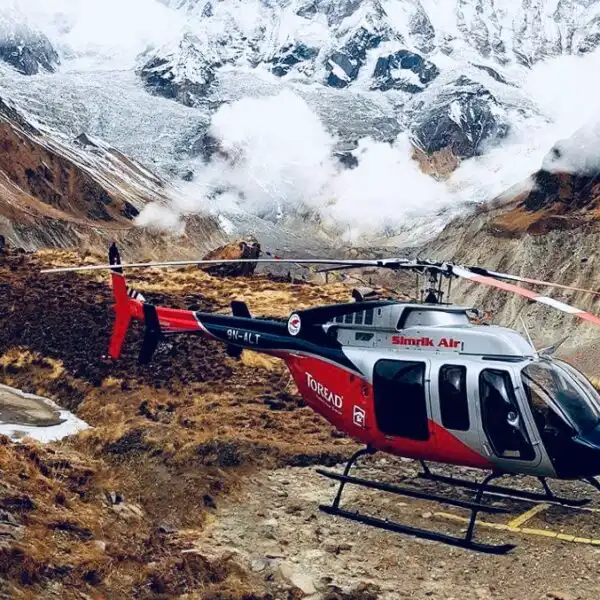
High-altitude areas above 3500m, i.e., the Everest, Annapurna, and Langtang regions, are cool to cold. Daytime temperatures generally range from 0–10°C, while nighttime lows can drop to -5 to -10°C. Snowfall at the highest passes is still possible in April, though trails at lower elevations are more or less snow-free. Mornings are often clear, offering excellent views of the Himalayas. Winds are generally gentle in a valley but may be more vigorous over exposed ridges and high passes. Layered clothing is essential for trekkers to adapt to the significant diurnal (day-to-night) temperature variations.
Rain Shadow Areas
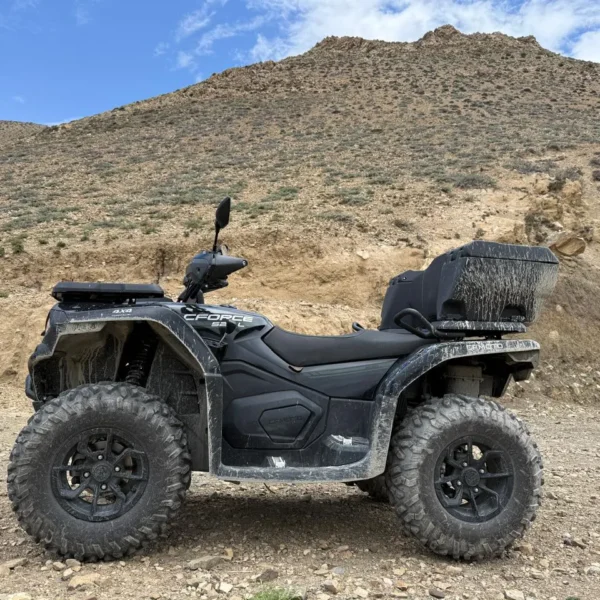
Mustang and other areas in the north of the country are very dry during April. Daytime temperatures range from 20 to 25 degrees Celsius, and nights are cool, between 5 and 10 degrees Celsius. The rainfall is nearly negligible, so the regions are ideal for visiting desert scenery and old monasteries. Strong winds are the norm, particularly on high plateaus, and travelers must be prepared to be wind- and sunproof. Excellent visibility for photography and sightseeing is virtually assured as a result of clear skies.
Everest Region in the Month of April: Weather and Trekking Conditions

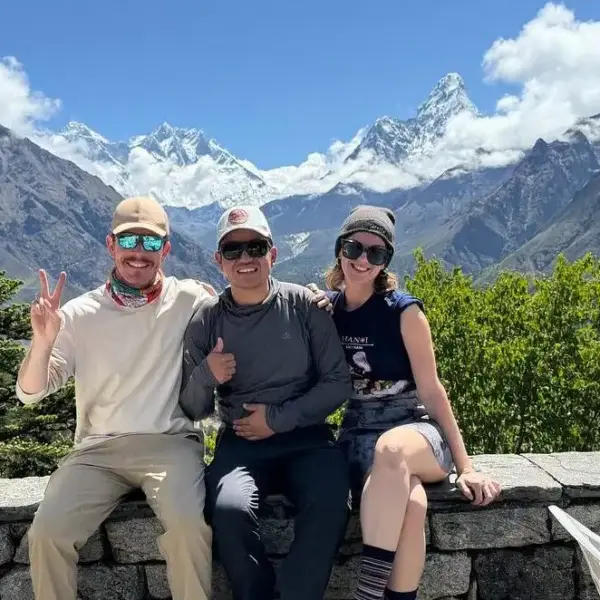
The Everest region is among the most popular trekking destinations in Nepal and is accessible to adventurers worldwide. April is thought to be a good month to visit because of the combination of long, sunny days, mild temperatures in lower elevations, and generally clear views of the mountain. The rhododendrons are just in full bloom along the lower trails, adding bursts of red and pink to the landscape, while higher passes are crisp and scenic, with the occasional patch of snow.
Typical April Climate
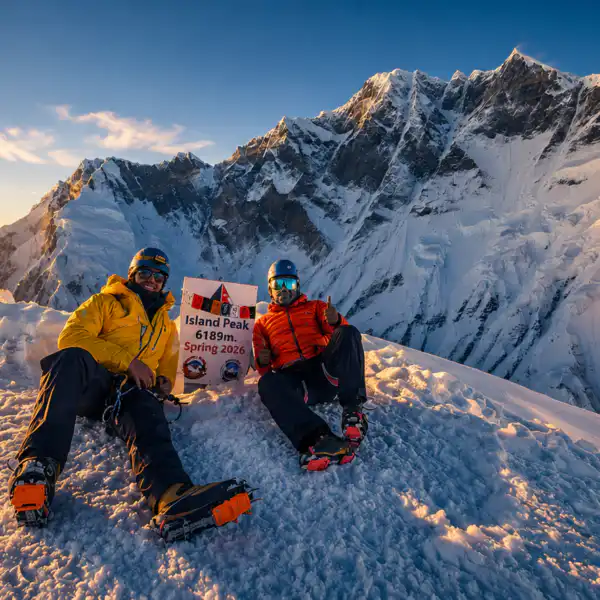
Lower areas such as Lukla (2,860 m) and Namche Bazaar (3,440 m) have daytime temperatures of 15-20 degC and nighttime lows of about -2 degC. Higher elevations, such as Tengboche (3,867 m) or Kongma La pass (5,535 m), can have daytime temperatures of 0–5°C and nighttime lows of -10 to -15°C. Snow may persist at higher passes, but lower trails are mostly clear. Mornings are crisp and clear, while afternoons may bring light clouds or occasional snow at the highest points. Winds are mild in valleys, but gusts may occur along ridges and exposed passes.
Trekking Suitability
April is an excellent trekking season. Trails up to 5000m are dry and passable with little snow in lower parts. Days are long and trekkers can cover a lot of distance while enjoying mountain views in the morning. Tea houses and lodges located in Namche Bazaar, Tengboche and Dingboche are wide open and bustling with trekkers from all over the world. Blooming rhododendrons at mid-altitudes add a splash of colour to the trails while birdwatchers and wildlife enthusiasts can spot musk deer, Himalayan snowcocks and the colourful alpine birds.
Unique April Highlights
The Everest region in April is the most visually striking. Rhododendrons provide color along trails in the form of bright reds and pinks against the snow-capped peaks. Morning views from Namche Bazaar, Tengboche Monastery, or even the Everest View Hotel offer stunning panoramas of Everest, Lhotse, and Ama Dablam. The cultural experiences in Sherpa villages, interactions with locals, and visits to monasteries complement the trek. Trails are not as crowded as in October, so April is a quiet yet colorful trekking season.
Travel Considerations
Trekkers are required to start early to avoid the morning cloudiness and to carry down jackets to deal with the fluctuating temperatures. Hydration is very crucial, and acclimatization is slow to prevent altitude sickness. Permit purchases, such as Sagarmatha National Park entry permits, must be made in advance. Sunglasses, sunscreen, and trekking poles are recommended. Booking accommodation in peak season ensures that you have good stops along the trail.
Annapurna Region in April: Weather & Trekking Conditions

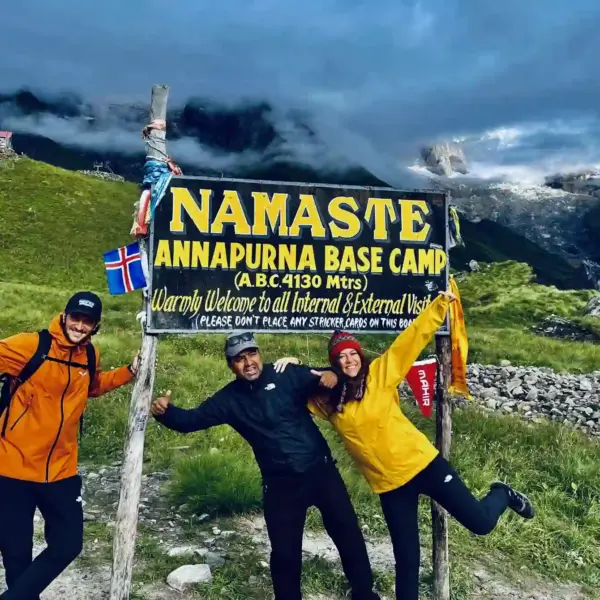
April is the peak trekking season in the Annapurna region. Moderate temperatures, clear skies, and colourful landscapes make it a favourite for trekkers. The trails come alive with blooming rhododendrons and wildflowers, adding splashes of color to the green valleys.
The villages along the trails, like Ghorepani, Chhomrong, and Ghandruk, offer travelers friendly traditional stone houses, prayer flags, and local markets. There are long days of sunlight, which make it easy for trekkers. ce in a comfortable way and to have a panoramic view of Annapurna, Machhapuchhre (Fishtail), and to cover the distance. The weather during April is pleasant, the landscape is beautiful, and the culture is rich, thus making it the best month to go trekking in this region.
12 Days Annapurna Base Camp Trek
Nepal in April is one of the most traveler-friendly months of the year. Spring is at its best, with the valleys and…
Typical April Climate
The maximum daytime temperature in Pokhara ranges between 28 and 30 °C, whereas the night temperature ranges between 16 and 18 °C. Temperatures in mid-hill trek areas are between 15 -20 degrees Celsius in the day and 5-10 degrees Celsius at night. High passes such as Thorong La (5,416 m) are still cool, with daytime temperatures of 0-5 degC and nighttime temperatures -10 degC. Afternoon pre-monsoon showers are possible, with 50-90 mm expected this month, but they are usually short-lived.
Trekking Suitability
Trails are usually dry and safe for trekking. The Annapurna circuit, Ghorepani poon hill, and others are all fully accessible. Morning hikes offer spectacular views of Annapurna, Machhapuchhre, and Dhaulagiri, while in the afternoon, haze may obscure the distant peaks. Tea houses and lodges are operational, though it is recommended to reserve during the peak season due to crowds.
Unique April Highlights
Spring brings colourful rhododendron on mid-altitude trails. Valleys are green, and rivers are alive from snowmelt. Birdwatchers can enjoy many species of migratory and local birds. Cultural experiences, ranging from local village visits to interactions with Gurung and Magar communities, add to the trekking experience. Sunrise views from Poon Hill or Sarangkot in Pokhara are especially amazing in April.
Travel Considerations
For a clear view, start early in the day, bring light rain protection, and reserve your accommodations in advance. Layering clothing – to deal with your temperature changes from day to night. Sun protection is a must, especially at higher altitudes.
Langtang Region in April: Weather & Trekking Conditions
Langtang offers moderate-altitude trekking through scenic valleys and forested trails, with fewer crowds than Everest or Annapurna. April is ideal to visit, with stable weather, blooming rhododendrons, and active local villages. The combination of nature, culture, and *manageable trails makes it a perfect spring trekking destination*.
Typical April Climate
In Langtang, daytime temperatures in the lower valleys range from 15–20°C, while nights are 5–10°C. Higher passes experience 0–5°C during the day and -5°C at night. April is usually dry, although short afternoon or evening showers are possible. Morning skies are often clear, giving excellent views of Langtang Lirung and the surrounding peaks.
Trekking Suitability
Trails are predominantly dry forested valleys that are resplendent with spring growth, and routes are suited for both day hikes and multi day treks. Mornings are clear for spectacular mountain views and afternoons can have light haze. Guesthouses are located along the trail offering basic accommodation and meals, hence making trekking comfortable for most visitors.
Unique April Highlights
Rhododendrons bloom along trails, forests are alive with birds and small mammals, and traditional Tamang villages offer cultural insights. Monasteries offer spiritual and historical experiences, and the region’s peacefulness is ideal for photography and quiet contemplation.
Travel Considerations
It is better to start early to see the mountains clearly in the morning, to wear layers of clothes during the day and on cold evenings, and to be prepared for a few short showers. The altitude is moderate, but it needs to be acclimatized. Quieter trails in Langtang offer a tranquil alternative to busier trekking areas.
Mustang Region April: Weather and Travel Conditions

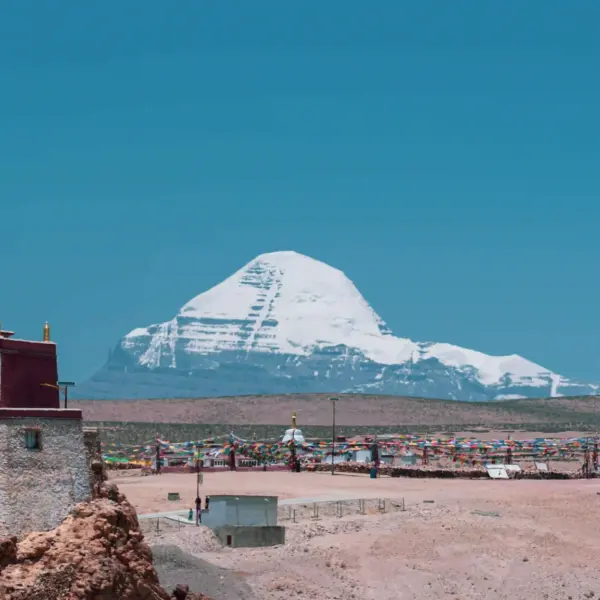
Mustang is a unique and arid area with desert-like landscapes, ancient cliffside monasteries and a completely different Tibetan-influenced culture. April offers the perfect weather conditions to visit its trails, villages and cultural venues, since there is little rainfall and the skies are clear, thus showcasing the surreal beauty of the region. The landscape, with its ochre cliffs and winding canyons, is a stark contrast to the lush greenery of the rest of Nepal, and it offers a one-of-a-kind experience for travelers.
Typical April Climate
Day time temperatures are between 20-25 degrees C and it may get cold at 5-10 degrees at night. Rainfall is very rare, and strong winds are common, especially in the area surrounding Lo Manthang, and the high plateaus. Skies are most likely bright blue and allow uninterrupted views of the surrounding mountains, cliffs, and desert valleys. April’s dry weather also makes it one of the most comfortable months for trekking in Mustang, and trails are dusted, but fully accessible.
Travel Suitability
April is ideal to trek or sightsee in Mustang. Trails to villages and monasteries are dry and easily navigable and the weather is such that long daily excursions can be made without fear of sudden rain. The skies are very clear and offer some wonderful photographic work which can be the grand desert monuments or the old monasteries on cliffs. Another place the visitor can visit is the traditional Tibetan villages, meet local families, and gain the feeling of serenity and near-timelessness of Mustang.
Unique April Highlights
The rugged desert terrain, buried caves and old monasteries in the region present a surreal experience to the tourists. The dry weather makes panoramic views of the mountains particularly strong and the bright sunlight accentuates the colours of cliff-top villages and prayer flags. April is also a good time to see local festivals or cultural events that can provide travelers with insight into the rich Tibetan heritage of Mustang.
Travel Considerations
Be prepared against dusty conditions and strong sunlight during the day. Layered clothing is required to deal with the warm temperatures during the day and cooler temperatures at night, and windproof clothing protects from gusty winds. Moderate to high altitudes require gradual acclimatization is recommended. Sun protection, sunglasses and hats are strongly recommended. Carrying sufficient amount of water is also important as the arid climate of Mustang can cause dehydration very quickly during long treks or sight seeing walks.
Nepal in April is one of the most traveler-friendly months of the year. Spring is at its best, with the valleys and…
Kathmandu Valley in April: Weather and Sightseeing

Kathmandu Valley in April is full of life and movement and spring is in full swing. Flowers bloom, festivals are organised and the city comes alive. Warm days, mild nights and mostly clear skies are ideal conditions for sightseeing, exploring the temples, and enjoying the surrounding hills. Rooftop cafes, local markets, and quiet villages add to the charm and early morning hikes from Nagarkot or Dhulikhel offer occasional views of the distant Himalayan peaks.
Typical Climate
Daytime temperatures go up to 28 – 30degC, while mornings and evenings are cooler with 12 – 15 degrees of Celsius. Humidity is moderate, and rain is a rare occurrence but typically occurs as brief afternoon showers. Afternoon haze and dust may limit visibility in the city, but mornings often are clear with crisp views of distant mountains.
Tourism Suitability
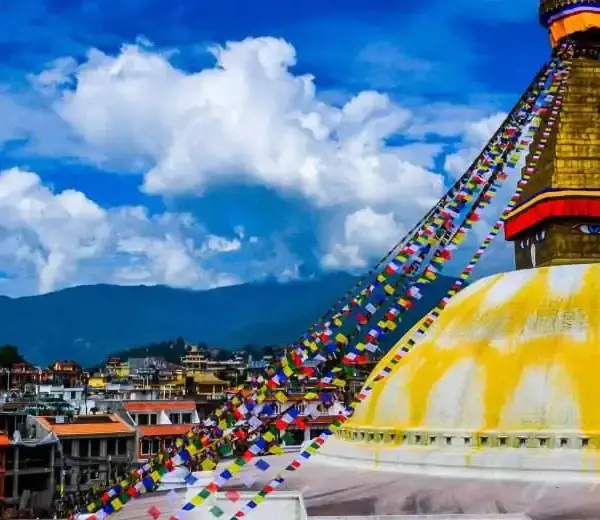
April is great time to visit the world heritage sites such as Swayambhunath, Boudhanath, Pashupatinath and Durbar Squares of Kathmandu, Patan and Bhaktapur. Early mornings work best in terms of photography and crowds. Short hikes and valley rim trails have panoramic views; and the streets and pathways are fully accessible for exploring villages and local markets.
Unique April Highlights
Bikram Sambat New Year (around April 13-14) is celebrated with pageant, cultural rituals, and street party especially in Bhaktapur. Biska Jatra includes chariot pulls, tug of war and performances. Ghode Jatra or the Horse Parade adds ceremonial excitement. Jacaranda trees blossom, gardens are lush and the views of the Himalayas can sometimes be seen from viewpoints in the valleys.
Travel Considerations
Plan for heat of the midday sun by staying hydrated and wearing sun protection. Festival crowds can impact traffic and access so give yourself extra travel time. Dust and haze can cause irritation to sensitive people. Evenings are mild; light shawl or jacket is useful for outdoor dining.
Pokhara in April: Weather and Travel Conditions

Pokhara is warmer than Kathmandu, surrounded by magnificent mountains, lakes and rolling hills and it is a favorite spring destination. April is a month of green landscapes, flowering flowers and the local life which is rather active and gives the ideal conditions to the relaxation and adventure. The lakeside, cafes, and scenic spots of the city are vibrant, whereas the range of Annapurna is usually reflected in the Phewa lake in the peaceful mornings, which form an incredible scene.
Typical Climate
Daily maximum temperature is 28-30 degrees Celsius and minimum temperatures are approximately 16-18 degrees Celsius. Afternoons are cloudy and quick showers are common but mornings are mostly clear, which can give one a superb view of the nearby mountains. Even during the warmer seasons, the activities carried out outdoors are comfortable due to gentle breezes off the lake.
Suitability for Activities
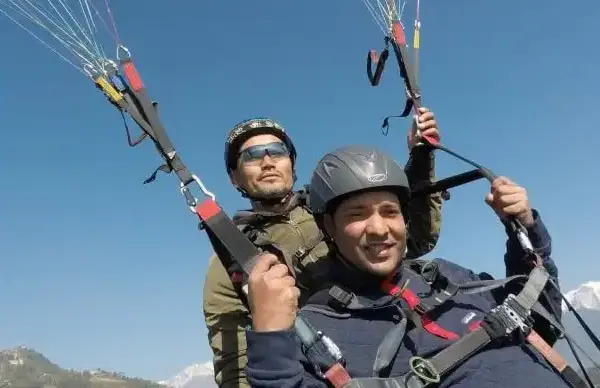
April is best to go boating in Phewa Lake, early morning walks to Sarangkot to watch the sunrise, paragliding, day-long hikes to various locations such as Australian Camp or World Peace Pagoda as well as touring the Lakeside. The mountain has the most magnificent views in the morning and therefore early mornings are well worth the time to both the photographer and the adventure enthusiast.
Unique April Highlights
The reflections of Machhapuchhre (Fishtail Mountain) and Annapurna range in Phewa Lake are spectacular in the still mornings. Hills and valleys are green with the spring growth, and flowering trees add splashes of color. Cultural events and New Year festivities give way to some lively atmospheres in the Lakeside area, combining the beauty of nature with the traditions of the area.
Travel Considerations
Book accommodations early as well, especially towards mid-April when domestic tourists are also visiting. Protect yourself from the sun with hats, sunglasses and sunscreen. Schedule outdoor activities, trekking, and paragliding in the morning, to see the most mountain views. Afternoon showers are usually brief, but it is a good idea to carry a light rain jacket.
Nepal in April is one of the most traveler-friendly months of the year. Spring is at its best, with the valleys and…
Comparing April Weather Across Nepal’s Regions
Nepal’s climate in April differs significantly depending on elevation and location, but generally it is one of the best months for travel. From the cities of the lowlands to the peaks of the Himalayas, spring is generally a pleasant time for trekking and sightseeing, as well as cultural activities. The weather offers early morning mountain views, colorful valley landscapes, and pleasant days in the cities and towns. Although the conditions are generally constant, it is necessary to take into account regional variations in temperature, precipitation and wind to organize the activities effectively.
Temperature: April temperatures are highly unpredictable throughout Nepal. Lowland cities such as Kathmandu and Pokhara are warm in day, at about 28~30 degree Celsius, with cool at night. Mid-hills have mild and comfortable conditions while the high mountains are cold, especially at night, so it is necessary for trekkers to bring warm clothes. The temperature contrast helps travelers enjoy two climates on the same trip – lush and warm valleys and chilly alpine conditions.
Precipitation: Most parts of Nepal remain fairly dry in April. The Everest region and Katmandu receive little rainfall whereas Pokhara and Annapurna region may experience short afternoon rain. Mustang is also very dry and there is almost no precipitation. These pre-monsoon showers are typically brief and cool the air and refresh the landscape without interfering with travel arrangements.
Visibility: Mornings are clear all over the country, perfect for views of the mountains and photography. Afternoon haze is common in lowland cities due to heat, dust, and urban activity, while high mountains usually offer excellent visibility Travellers looking for sunrise mountain views should schedule early mountain excursions to catch the best views.
Wind: Wind is rather mild in most areas. Mustang is an exception, as there are strong daily gusts, and on high mountain ridges, it can be breezy, particularly near glaciers. Wind conditions are important to trekkers and paragliders, since they can influence the safety of a trail, and flight conditions.
Crowds: It is high tourist season, as well as trekking activity in the regions, the cities and cultural sites are crowded than otherwise in the month of April. Premature reservations to hotels, flights and tours are advisable. The travel experience is boosted with energy amidst the crowd in the colorful trails and the festive mood.
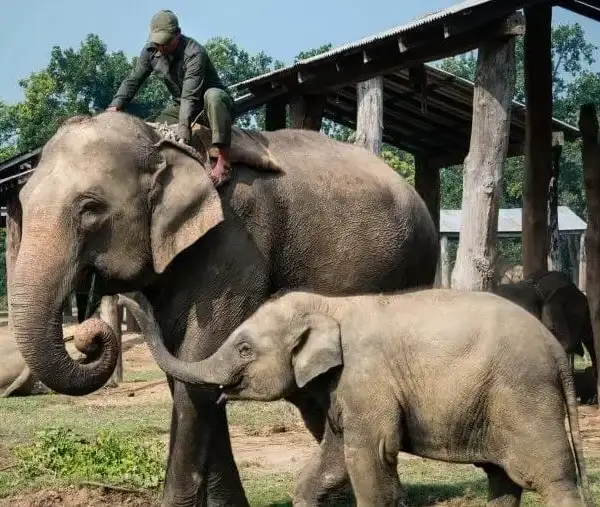
Flora & Fauna: Spring is a time of rhododendron blooms, active birds, and visible wildlife in areas. Forests and valleys are green and paths to go on when trekking are covered with seasonal growth. Wildlife spotting is especially rewarding in national parks, forested regions and wetlands, giving both trekkers and city dwellers an opportunity to relate with Nepal’s rich biodiversity.