



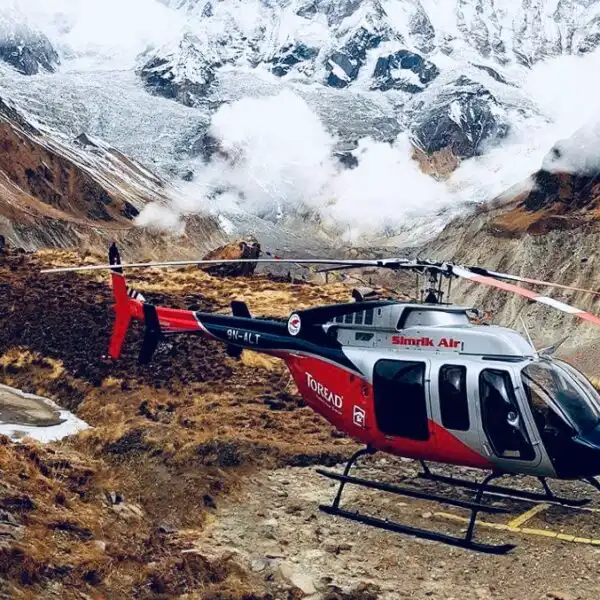

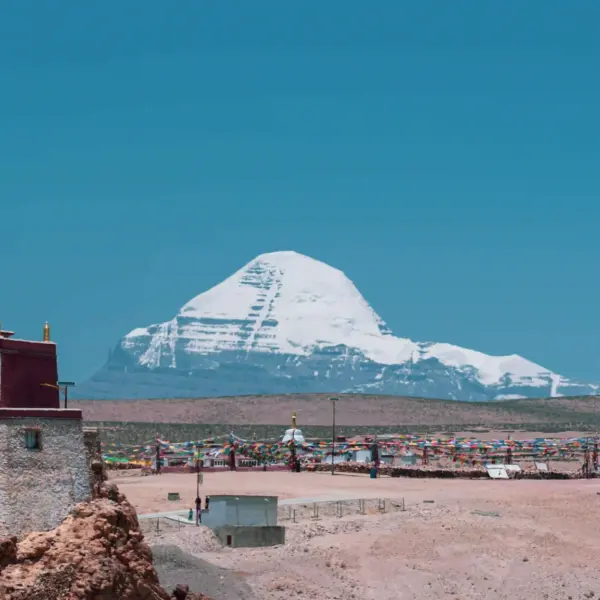


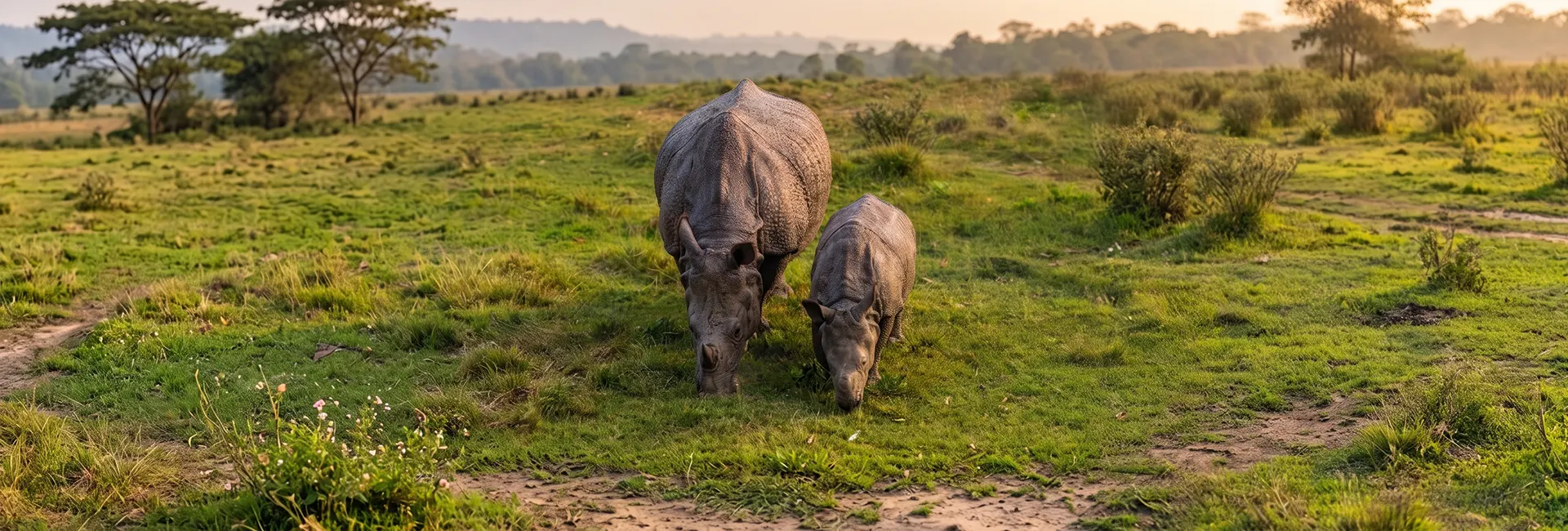
Nepal is known for its mountains, but its natural landscape extends far beyond the Himalayas. It has a wide range of wildlife, from the subtropical forests and river valleys of the Terai to alpine meadows and high-mountain ecosystems. Protected areas span these environments to preserve animals, plants, forests, wetlands, and key habitats.
The term Wildlife Reserves in Nepal is often used generally to refer to Nepal’s protected areas. Nepal, however, has various kinds of protected areas, such as national parks, wildlife reserves, conservation areas, and hunting reserves. Nepal currently has 12 national parks, wildlife reserves, 6 conservation areas, and 1 hunting reserve.
Understanding Nepal’s Protected Areas
Nepal does not manage all protected areas in the same way. National parks prioritize ecosystem protection, while conservation areas generally balance environmental protection with local needs and the area’s economy. Wildlife reserves focus more specifically on protecting important wildlife habitats.
Koshi Tappu is currently Nepal’s only officially designated wildlife reserve. A few of the areas mentioned above that were once cited as “wildlife reserves” have been upgraded or renamed as “national parks”. For instance, Parsa and Shuklaphanta are now national parks. This helps when researching Nepal’s wildlife reserves, as older information may use classifications that are no longer current.
Nepal’s protected area system covers a huge portion of the country and represents ecosystems from lowland grasslands and wetlands to the high Himalayan ecosystems. The National Parks and Wildlife Conservation Act provides for the Department of National Parks and Wildlife Conservation to manage the national protected area system.
Nepal is known for its mountains, but its natural landscape extends far beyond the Himalayas. It has a wide range of wildlife,…
Major Protected Areas in Nepal
The following table provides an overview of Nepal’s protected areas and the form of protection accorded in each location.
| Protected Area | Category | Area | Main Wildlife or Natural Features |
| Chitwan National Park | National Park | 932 sq. km | Bengal tiger, greater one-horned rhinoceros, wild elephant, crocodiles and birds |
| Bardiya National Park | National Park | 968 sq. km | Bengal tiger, wild elephant, rhinoceros, deer, gharial and birds |
| Shuklaphanta National Park | National Park | 305 sq. km | Swamp deer, tiger, elephant, rhinoceros and grasslands |
| Parsa National Park | National Park | 627.39 sq. km | Tiger, wild elephant, leopard, sloth bear and gaur |
| Banke National Park | National Park | 550 sq. km | Tiger, leopard, deer, wild boar and birds |
| Koshi Tappu Wildlife Reserve | Wildlife Reserve | 175 sq. km | Wild water buffalo, birds, dolphins, deer and wetland species |
| Sagarmatha National Park | National Park | 1,148 sq. km | Snow leopard, Himalayan tahr, musk deer and Himalayan birds |
| Langtang National Park | National Park | 1,710 sq. km | Red panda, Himalayan black bear, musk deer and birds |
| Makalu Barun National Park | National Park | 1,500 sq. km | Red panda, snow leopard, Himalayan tahr and diverse vegetation |
| Shey Phoksundo National Park | National Park | 3,555 sq. km | Snow leopard, blue sheep, Himalayan wildlife and high mountain habitats |
| Rara National Park | National Park | 106 sq. km | Himalayan black bear, musk deer, otter and Rara Lake ecosystem |
| Khaptad National Park | National Park | 225 sq. km | Himalayan wildlife, birds, forests and alpine grasslands |
| Shivapuri Nagarjun National Park | National Park | 159 sq. km | Leopard, Himalayan black bear, monkeys and birds |
| Annapurna Conservation Area | Conservation Area | 7,629 sq. km | Snow leopard, blue sheep, musk deer and diverse mountain habitats |
| Manaslu Conservation Area | Conservation Area | 1,663 sq. km | Snow leopard, blue sheep, Himalayan tahr and mountain forests |
| Kanchenjunga Conservation Area | Conservation Area | 2,035 sq. km | Snow leopard, red panda, Himalayan black bear and high mountain habitats |
| Gaurishankar Conservation Area | Conservation Area | 2,179 sq. km | Red panda, Himalayan black bear and mountain ecosystems |
| Api Nampa Conservation Area | Conservation Area | 1,903 sq. km | Snow leopard, musk deer, Himalayan tahr and mountain wildlife |
| Krishnasaar Conservation Area | Conservation Area | About 16 sq. km | Blackbuck and associated grassland habitat |
| Dhorpatan Hunting Reserve | Hunting Reserve | 1,325 sq. km | Blue sheep, Himalayan wildlife and controlled hunting areas |
The areas and types are based mainly on current information from the Nepal Tourism Board and the Department of National Parks and Wildlife Conservation (DNWC).
Koshi Tappu Wildlife Reserve
Koshi Tappu Wildlife Reserve is especially significant because it is the only wildlife reserve that exists in Nepal today. It is situated in the eastern Terai along the Koshi River and helps conserve wetlands, grasslands, scrub, and riverine forests.
It is a well-known reserve for the wild water buffalo (arna). It is also a significant habitat for deer, wild boar, blue bull, jackal, and several reptiles. The Koshi River is home to gharial crocodiles and Gangetic dolphins, and the wetlands host numbers of resident and migratory birds. According to the Nepal Tourism Board, the reserve is home to over 400 bird species, including those migrating from the country’s northern parts.
One of Koshi Tappu’s most important attractions is birdwatching. It blends forest safari and open grassland, unlike Chitwan and Bardiya, which are forest safaris.
Chitwan and the Terai National Parks
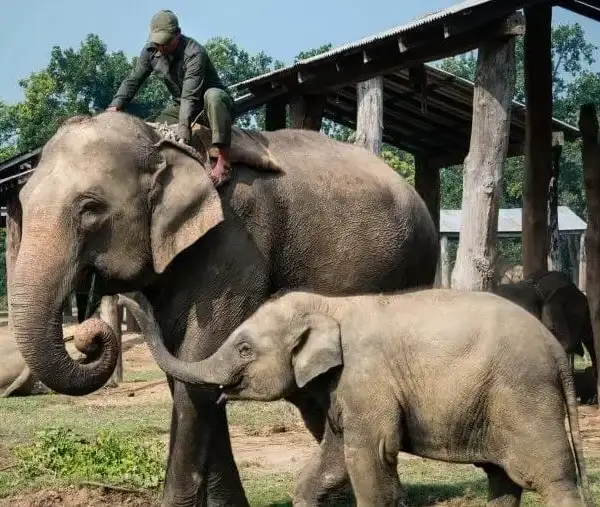
Although Chitwan National Park is not officially a wildlife reserve, it is at the heart of any talk about Wildlife Reserves in Nepal; it is perhaps the best-known protected area for wildlife tourism in our country.
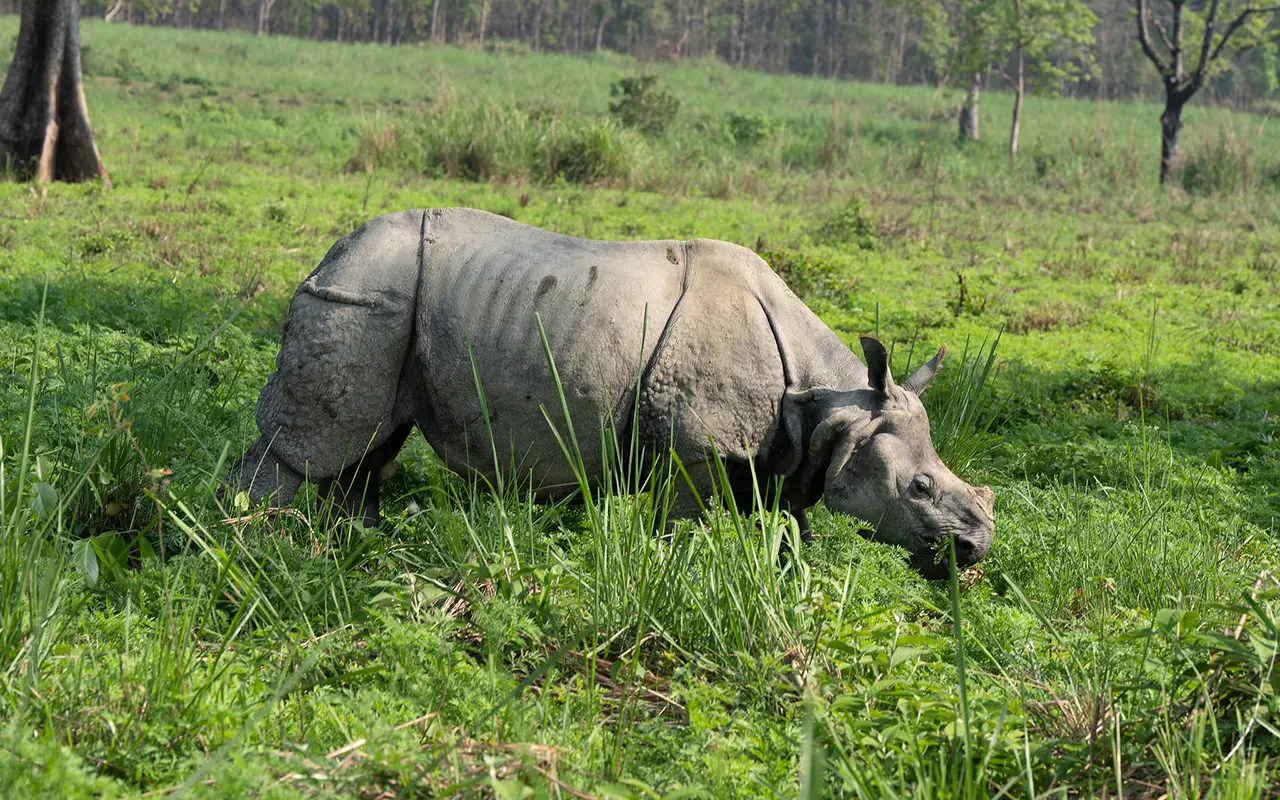
Chitwan preserves forests, grasslands and wetlands in the lowlands of the south. It is home to the greater one-horned rhinoceros, Bengal tiger, wild elephant, sloth bear, deer, crocodiles and several birds. Tours are typically conducted by jeep safari, canoe, nature walk, or guided jungle activities.
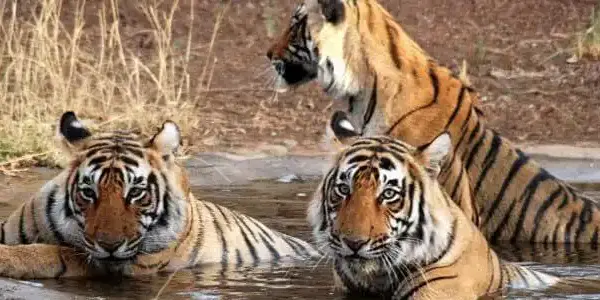
Bardiya National Park is one of the most important wildlife sites in western Nepal. It has vast forests and grasslands and is particularly linked to tiger conservation. The Karnali River also provides habitat for aquatic plants and animals such as gharials and Gangetic dolphins.
The grasslands and swamp deer habitat are associated with the Shuklaphanta National Park. The two national parks within the Terai also play a significant role in the wider landscape, supporting contiguous habitat for large mammals and other species.
Himalayan Wildlife Areas
Not all Wildlife Reserves in Nepal are lowland forests. Protected areas also extend into high mountain regions where species have evolved to survive cold, steep, and inhospitable environments.
Sagarmatha National Park protects the Everest region and serves as habitat for the Himalayan tahr, musk deer, snow leopard, and many birds. The topography also supports Sherpa communities and traditional settlements.
Langtang National Park is situated in the northern region of Kathmandu, where it safeguards forests, alpine views, and mountain habitats. Himalayan black bears, musk deer, and various bird species are also seen in the area, along with red pandas.
Shey Phoksundo is Nepal’s largest national park by area. It encompasses the far-flung Dolpo region and high-mountain ecosystems, including Phoksundo Lake. Some of the region’s wildlife species include blue sheep and snow leopards.
Makalu Barun National Park covers a wide variety of ecosystems from lower to High Himalayan regions. This ecological diversity supports numerous plants and animals.
Conservation Areas and Community Participation
The approach to conservation areas differs slightly from that of national parks. Local communities help manage them, and conservation is linked to sustainable tourism and local livelihoods.
Annapurna Conservation Area is Nepal’s largest conservation area, covering 7,629 square kilometers in the parts of Kaski, Lamjung, Mustang and Manang. It is home to the snow leopard, musk deer, and blue sheep, and it also includes mountain ecosystems.
Manaslu Conservation Area is in Gorkha District and stretches from lower mountain areas to the high Himalayas, covering 1663 square kilometers. It spans elevations between 600 m (1,969 ft) and 8,163 m (26,781 ft), creating several ecological zones in a relatively small area.
The Kanchenjunga Conservation Area in eastern Nepal spans 2,035 sq km. It helps safeguard critical mountain habitats and offers opportunities to conserve in the Nepal, India, and China border region.
The total area of Api Nampa Conservation Area in the far western part of Nepal is 1903 km². Its landscapes feature high peaks like Api and Nampa and host species like snow leopard, musk deer, Himalayan tahr, and Himalayan black bear.
The two Conservation Areas, Gaurishankar Conservation Area and Krishnasaar Conservation Area, in Bardiya, link important landscapes between the Langtang and Sagarmatha regions and are especially important for conserving black buck.
The wildlife found across Nepal
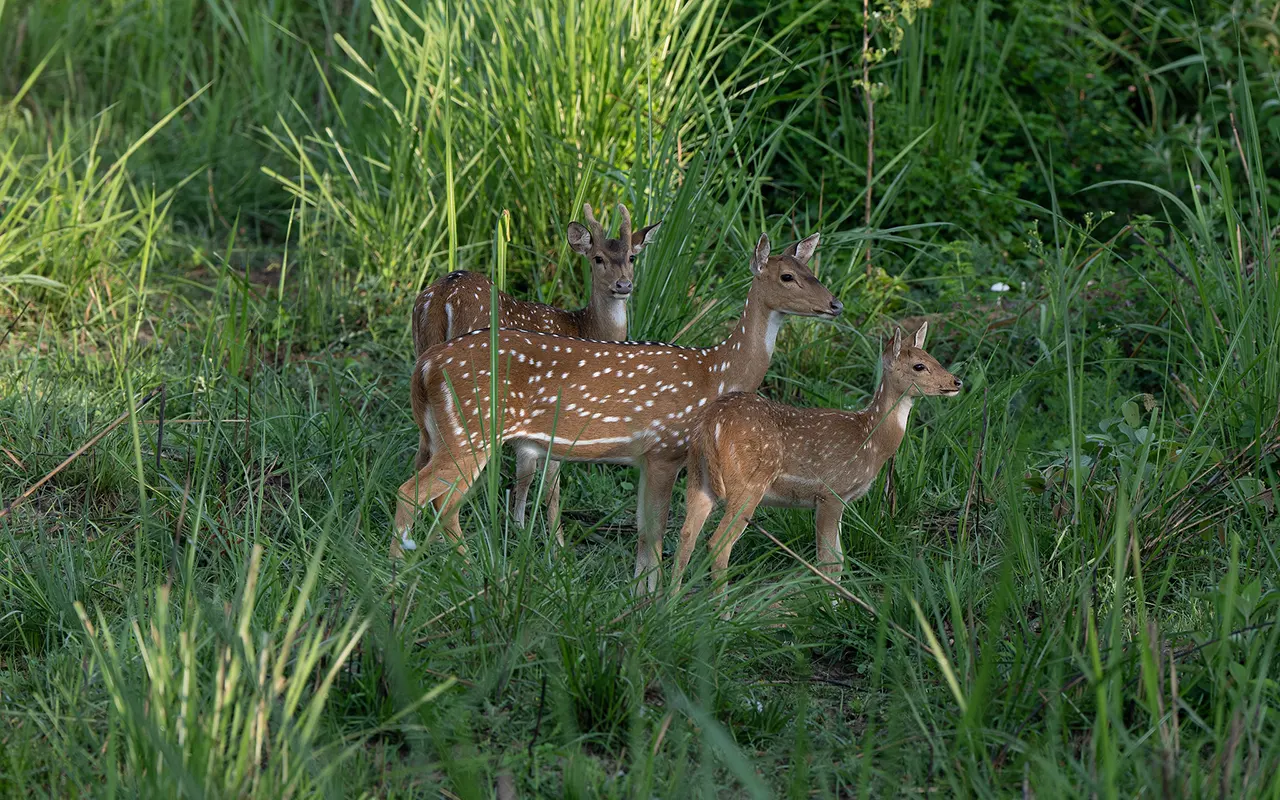
Why are so many different species involved in wildlife conservation in Nepal? The answer is habitat diversity. It is home to big animals like rhinos, tigers, elephants, Wild Water Buffalo, and various types of deer. Wetlands provide important habitat for crocodiles, dolphins, and migratory birds.
In the middle hills, the animals include leopards, bears, deer, monkeys, and many types of birds. Snow Leopards, Blue sheep, Himalayan Tahr, Musk Deer, and red pandas are found in higher mountain areas.
Birds are also important. Nepal’s forests, rivers, wetlands, and mountains host resident and migratory birds. Wetlands are especially important as homes for aquatic life and migratory birds. Nepal has 10 Ramsar sites, including Koshi Tappu, Rara Lake, and Phoksundo Wetland, among its few lowland and mountain wetlands of special importance.
Why Wildlife Conservation Matters in Nepal
Wildlife conservation is not just about protecting wildlife; it is about protecting life in Nepal. Forests and wetlands help maintain clean water, support farmers’ livelihoods, and reduce soil erosion while sustaining the ecological systems communities depend on.
Protected areas also offer valuable economic benefits. Tourism provides jobs for guides, drivers, lodge owners, conservation workers, and other local businesses. Community-based conservation can directly benefit local people through tourism and encourage forest and wildlife conservation.
In addition, Nepal has made great strides in conserving endangered species. Conserving tigers, rhinoceroses, wild water buffaloes, and protecting snow leopards and red pandas are important parts of the country’s conservation efforts.
Nepal is known for its mountains, but its natural landscape extends far beyond the Himalayas. It has a wide range of wildlife,…
Best Time to Visit Nepal’s Wildlife Areas
The best time to visit varies by area and the type of wildlife experience you want. The cooler and drier season from around October to March is more comfortable for safaris and wildlife viewing in the Terai. Koshi Tappu is a great place for winter birdwatching, as migratory birds are found there.
Seasonality differs across Himalayan protected areas. Spring and autumn are typically the best seasons for trekking because of more favorable weather and trail conditions, and for mountain wildlife experiences.
During the monsoon, many places in Nepal receive heavy rainfall. Roads and trails may become impassable, and in certain lowland areas, vegetation may make it difficult to spot animals. This time of year may still be rewarding for those interested in richly vegetated landscapes and certain birds, however.
Responsible Wildlife Tourism
Visitors play a crucial role in conserving Nepal’s wildlife. Never go out on your own or without a trained guide for wildlife viewing, and always follow park regulations. Never chase or approach animals to feed them or for a photo.
Travelers should also not leave plastic or other waste in protected areas. When observing wildlife, keep noise low, as loud noises can disturb animals and birds.
Responsible travelers visit Nepal with local services and respect communities’ rules and regulations, while paying the legitimate fee charged by parks or conservation areas for using these lands. Entry conditions and fees may differ by protected area and traveler nationality, so travelers should check the latest information before traveling. The Nepal Tourism Board keeps entry-fee information for protected areas up to date.
Frequently Asked Questions
How many national parks are there in Nepal in total?
Nepal has 12 national parks. According to the Nepal Tourism Board’s current listing, the country has one wildlife reserve, six conservation areas, and one hunting reserve.
Which is the only wildlife reserve in Nepal?
Only Koshi Tappu Wildlife Reserve is officially declared a wildlife reserve. It is particularly important for wetlands, birdlife, and wild water buffalo.
Which protected area would you select for your safari?
The major options for traditional jungle safaris are Chitwan and Bardiya. Koshi Tappu is especially good for birdwatching and viewing wetland wildlife.
What is the difference between a conservation area and a National Park?
Yes. Conservation areas tend to involve more community consultation and sustainable use of natural resources, in addition to protecting biodiversity. Examples include Annapurna and Manaslu.
Final Thoughts
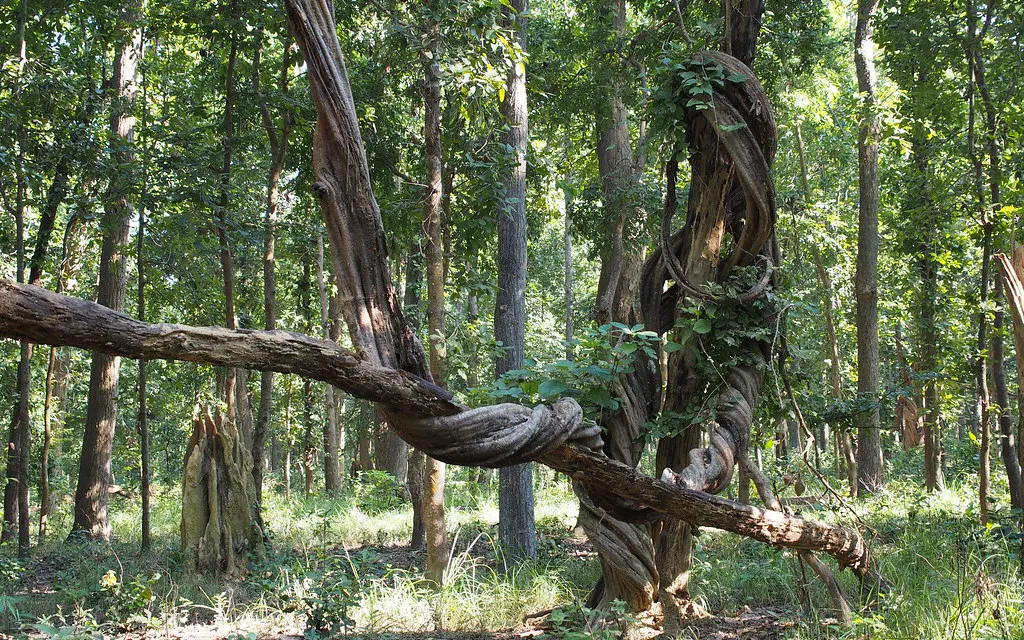
Forests, wetlands, grasslands, river systems, and high-mountain habitats form a much larger protected area system, including the Wildlife Reserves of Nepal. The variety gives Nepal the power to save the wild water buffalo, the rhino in the Terai, the snow leopard and blue sheep in the Himalayas.
These protected areas offer travelers alternative ways to experience nature. A trip to Chitwan or Bardiya for a jungle safari, a birding tour to Koshi Tappu, or a trek in Annapurna, Manaslu, or Kanchenjunga can all offer a unique perspective on Nepal’s natural landscape.
Most importantly, visiting these places responsibly means providing support and helping conserve them. Protected areas in Nepal are not just places to visit for wildlife; they are also crucial components of the nation’s long-term strategy for ecosystem conservation.